News
Why GQ Didn't Ask Tom Cruise Anything About Scientology in His 'Digger' Cover Story
Tom Cruise finally sat down for a long‑form profile for GQ after years of dodging the camera.
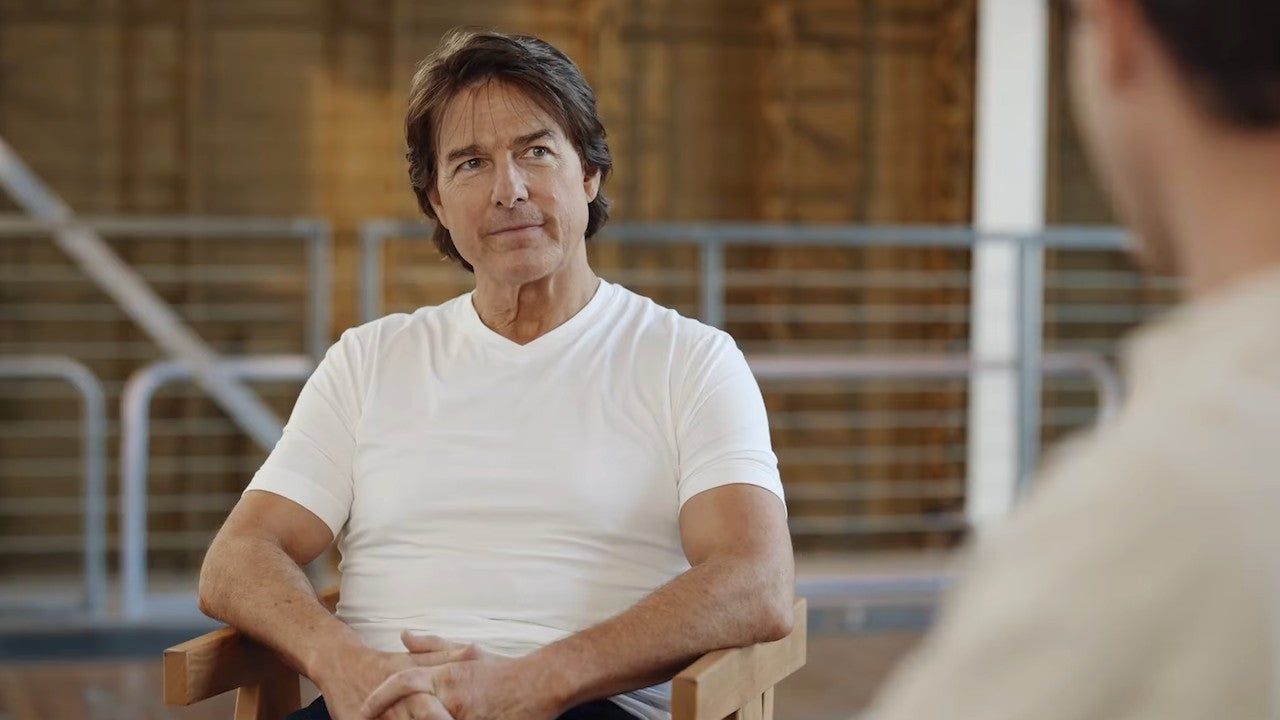
Tom Cruise finally sat down for a long‑form profile for GQ after years of dodging the camera. Yet the magazine’s piece, penned by Senior Special Projects Editor Zach Baron, sidestepped one of the most talked‑about aspects of Cruise’s life: his ties to the Church of Scientology. For fans and critics alike, that omission feels like a deliberate blind spot. It raises the question: is GQ choosing to protect the star’s mystique, or is it simply following a journalistic logic that prioritizes other facets of his persona? The answer, as Baron explains on Matt Belloni’s Puck podcast, is a mix of research strategy and a desire to spotlight the “reclusive movie star” who has “sacrificed everything at the altar of movies.” The decision not to probe Scientology, while puzzling, reflects a broader trend in celebrity journalism: the temptation to focus on the craft rather than the controversy.
Baron admits that his preparation involved scouring everything ever written about Cruise. He notes that the topic of Scientology had been covered extensively in previous pieces, and that he wanted to avoid rehashing a “very similar” angle. In essence, the magazine chose to tread fresh ground, exploring Cruise’s “relationship with his phone” and his intense work ethic instead of revisiting the religion that has long shadowed his career. This is not a new tactic; many outlets now steer clear of repeatable controversies to keep stories from feeling stale. Yet, by ignoring Scientology, GQ also sidesteps a conversation that many readers consider essential to understanding the man behind the roles.
Cruise’s own words in the interview paint a picture of a professional who “works hard” and sets high expectations for his crew. He describes himself as “up‑front about it” and insists that the rumors of his intensity are true. This emphasis on dedication over dogma aligns with a narrative that elevates the actor’s craft above his personal affiliations. It suggests that GQ is more interested in portraying Cruise as a “genuine” figure in Hollywood rather than a polarizing religious figure. For fans who admire his discipline, this angle is refreshing. For those who see his Scientology ties as integral to his persona, it feels like a missed opportunity to confront the man’s full story.
The obvious narrativeCruise’s public persona intertwined with Scientologywas left untouched, a decision that surprised some. Belloni, a veteran journalist, noted that many would expect a magazine of GQ’s stature to “jump at the chance” to grill Cruise on the controversial religion. Instead, Baron chose to focus on the “reclusive movie star” angle. This move challenges conventional wisdom that sensational topics always drive readership. By choosing a less incendiary path, GQ may be betting on a more nuanced portrayal that could attract a broader audience. However, it also risks alienating readers who feel that the omission glosses over a significant aspect of Cruise’s public life.
If GQ’s strategy proves successful, we may see other major publications adopting a similar approach: sidestepping controversial personal details in favor of deeper dives into professional habits and creative processes. This could signal a shift in celebrity journalism toward more respectful, less sensational coverage. Conversely, should readers demand a fuller picture, outlets may feel pressured to revisit the Scientology angle in future pieces. Either way, the conversation about how to balance personal history with professional narrative is far from settled.
The next time Tom Cruise steps into the spotlight, whether for a new film or a public appearance, the industry will be watching not just his performances but also how the media chooses to frame his story. The choice to ignore Scientology in this profile is a deliberate editorial decision that will shape audience perception for months to come.


