Sports
Why only African countries could play the next FIFA World Cup
Patrice Motsepe, the Confederation of African Football (CAF) president, finds himself in a delicate position as his continent's nations prepare to potentially go it alone international football.
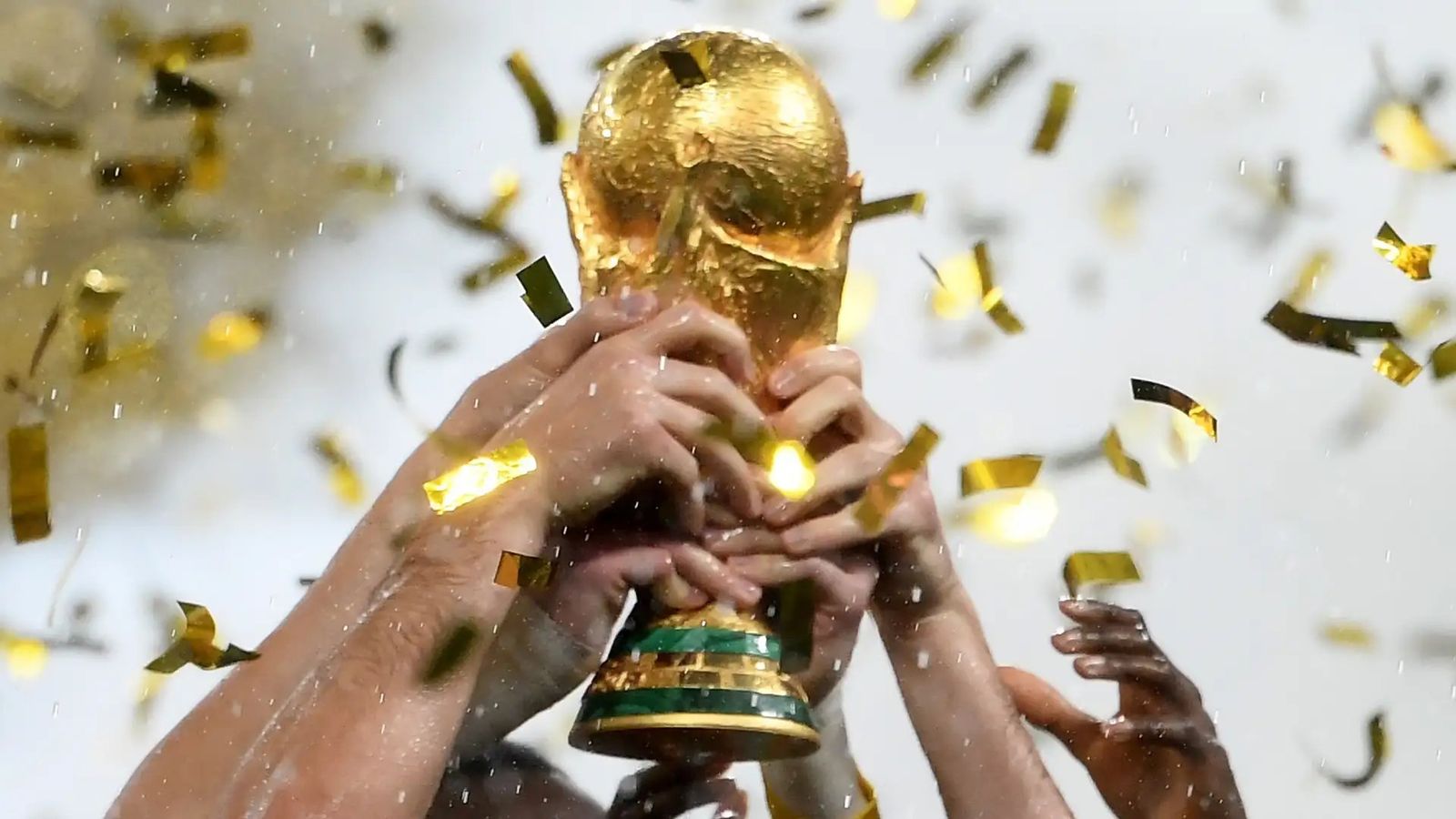
Patrice Motsepe, the Confederation of African Football (CAF) president, finds himself in a delicate position as his continent's nations prepare to potentially go it alone international football. The FIFA governance crisis, which has sparked a sharp divide across the sport, may just pave the way for Africa to become the only continent with a unified football presence in the next FIFA World Cup. At the heart of the controversy is a proposal by FIFA president Gianni Infantino to create a new commercial entity that would manage the FIFA World Cup and sell a minority stake to private investors.
The proposal, backed by Infantino, aims to unlock billions of dollars in fresh investment and create new revenue streams for football. However, critics argue that the biggest competition in football should remain under the control of its member associations rather than outside investors. The plan has sparked a sharp divide across football, with UEFA and CONCACAF already opposing the proposal. The Asian Football Confederation (AFC) has raised concerns over both the governance process and the long-term implications for the sport. The resistance has been swift and severe, with UEFA prepared to boycott FIFA competitions if the proposal is approved in its current form.
The crisis deepened further with the resignation of Carlos Cordeiro, one of Infantino's senior advisers and a former president of the United States Soccer Federation. Cordeiro publicly distanced himself from the proposal, saying he had no involvement in its development. His resignation has intensified pressure on Infantino, who is now facing growing criticism from some of football's most influential administrators. The situation has become increasingly complex, with the Confederation of African Football (CAF) remaining tight-lipped on the matter. CAF's silence is notable, especially considering that its president, Patrice Motsepe, is widely regarded as one of Infantino's closest allies.
African football has made significant strides in recent years, with the continent's nations performing well in international competitions. The 2022 FIFA World Cup saw several African teams advance to the knockout stages, including Senegal, Morocco, and Tunisia. The success of these teams has been evidence of the growing strength of football in Africa. If the current crisis unfolds as expected, it is likely that African nations will be the only ones to participate in the next FIFA World Cup. This would be a significant development, with potential implications for the sport's global governance structure.
In the event of Africa going it alone, the continent's football governing body, CAF, will need to reassess its relationship with FIFA. This could lead to a more autonomous and self-sufficient African football, with the potential to forge new partnerships and alliances. Patrice Motsepe and the CAF leadership will need to navigate this complex situation with care, balancing the interests of African nations with the need to maintain a strong global presence.As the FIFA governance crisis continues to unfold, it is clear that Africa's football nations are poised to take a significant step forward. With the continent's nations currently enjoying a period of unprecedented success, it is likely that they will be the only ones to participate in the next FIFA World Cup. This development has the potential to create a new era for African football, one in which the continent's nations are more autonomous and self-sufficient. As the situation continues to evolve, one thing is certain: Patrice Motsepe and the CAF leadership will play a crucial role in shaping the future of African football.