News
Xbox execs 'don't understand art' says Doom developer after id Software layoffs
id Software's Bleak Future: A Betrayal of Trust Lead services programmer Chris Hays has been in the trenches of id Software, one of the most iconic game development studios, since 2010.
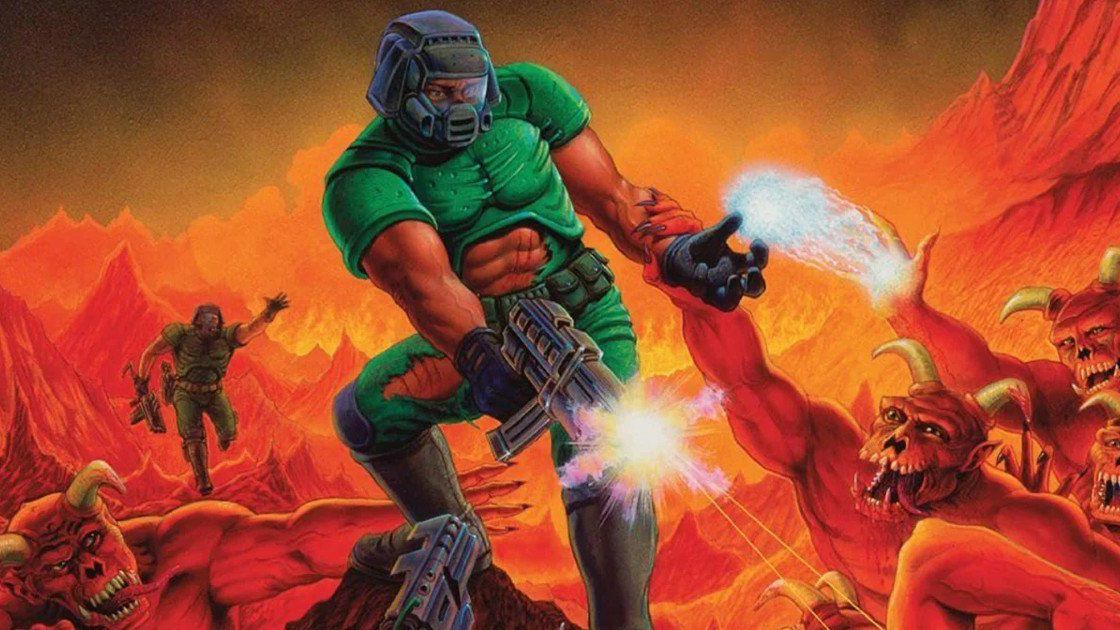
Lead services programmer Chris Hays has been in the trenches of id Software, one of the most iconic game development studios, since 2010. His tenure has witnessed the creation of some of the most groundbreaking first-person shooters, including Doom and Quake. But the recent layoffs, which have decimated the studio, have left Hays and his team reeling. In a candid interview, Hays shared the devastating impact of the layoffs on morale, revealing the stark realities of working with a severely reduced team.
The layoffs have left id Software with roughly half of its original employees, a staggering loss that Hays describes as "inhumane." The devastating blow to morale is palpable, with Chris Hays stating that morale has never been lower. This sentiment is echoed by the sheer magnitude of the layoffs, which has seen around 3,200 people lose their jobs in the latest round of cuts. The loss of entire departments and disciplines has made it "impossible" for the remaining team to make a game that meets the triple-A standards id Software is known for.
Chris Hays's criticism of Xbox's view of success is scathing. The Game Pass subscription service, which has been touted as a turning point, has created a business model that prioritizes volume over quality. According to Hays, this approach ignores the artistic merit of games, reducing them to mere commodities. The statement that id Software has "serious issues" with Game Pass is a damning indictment of the service's impact on the game development industry. By releasing games on Game Pass day one, id Software is forced to conform to a business model that values quantity over quality, leaving the team to wonder what constitutes a "sale" in the age of subscription services.
Id Software's official statements, attempting to reassure the public that the studio is still the same, fall flat in the face of Hays' scathing critique. The reassurances, which claim that the team is still the same size as when they made 2016's Doom, are a farce. The studio has been gutted, and the remaining team is struggling to cope with the loss of entire departments and disciplines. The attempt to downplay the severity of the layoffs only serves to further erode trust between the studio and its employees.
The layoffs have left id Software's future hanging in the balance. The studio's ability to create triple-A games is severely compromised, and the impact on morale is evident. The criticism of Xbox's business model and the Game Pass service raises questions about the sustainability of the current game development landscape. As Chris Hays so eloquently puts it, "We're not the same id. We're half the same id." The future of id Software, and the game development industry as a whole, hangs precariously in the balance.
I predict that the game development industry will continue to grapple with the consequences of the current business model, with studios like id Software struggling to cope with the loss of talent and the erosion of morale. The future of id Software is uncertain, but one thing is clear: the current business model is unsustainable and will continue to have far-reaching consequences for the industry as a whole.
The game development industry is at a crossroads, and it's time for a change. The layoffs at id Software are a stark reminder of the consequences of prioritizing volume over quality. As the industry looks to the future, it's time to rethink the business model and prioritize the artistic merit of games.