News
Youtube, Meta backtrack on paid ads for Musk documentary
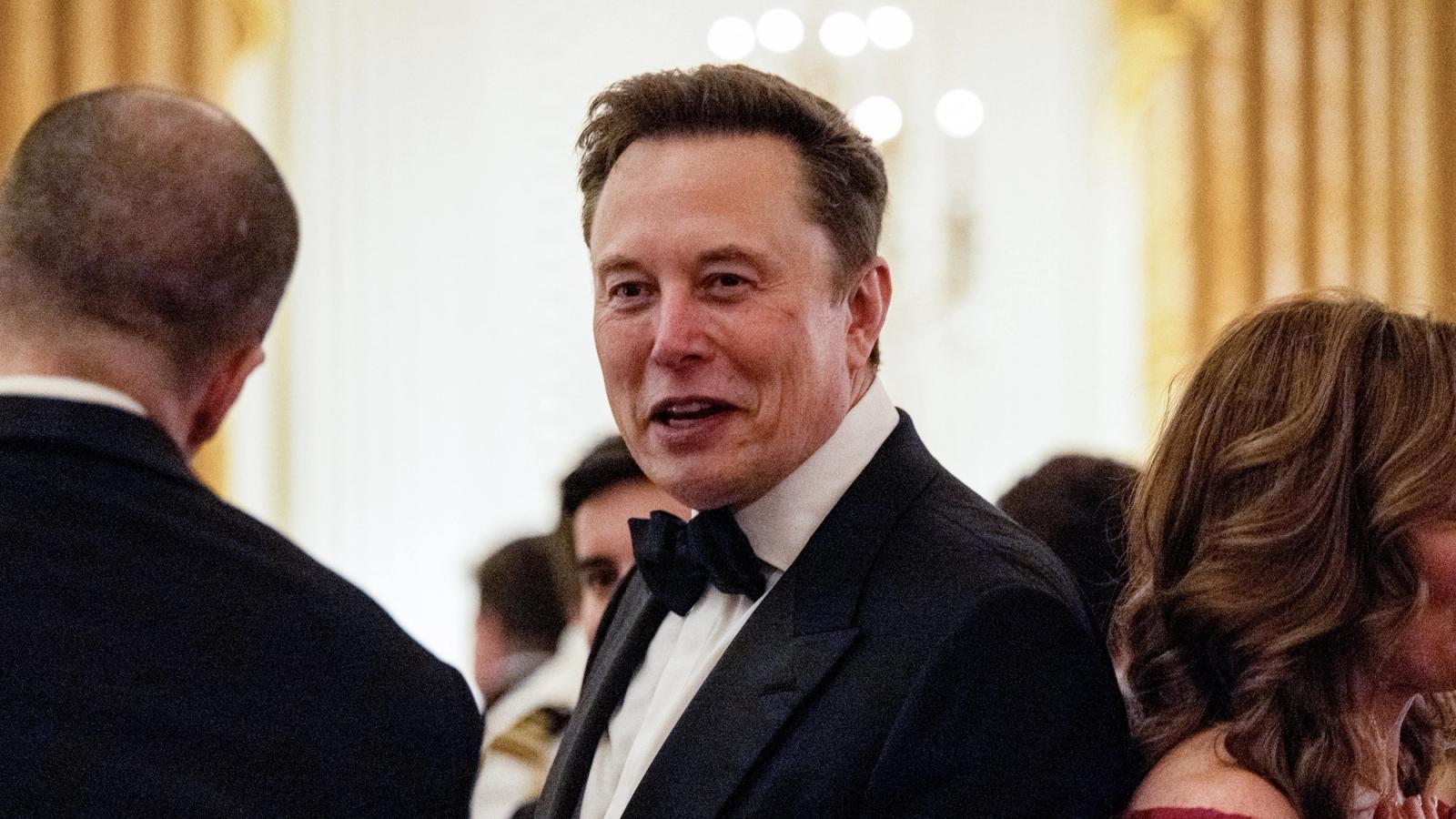
The backlash over a film that questions the very man who owns the platform that should have amplified it is a bitter reminder that even the most powerful tech giants are still bound by the rules of the marketplace. Alex Gibney’s four‑hour documentary Musk, slated for a theatrical release in two weeks, has been denied paid advertising on YouTube, Meta, and TikTokplatforms that thrive on monetised content. The decision, later reversed by YouTube and Meta, shows that the industry’s gatekeepers are not immune to public pressure, but it also exposes the fragility of creative freedom in an ecosystem dominated by a handful of corporate titans.
When Bleecker Street approached YouTube, Meta, and TikTok to run ads for the trailer, the platforms cited “political content” as the reason for rejection. Meta’s policy, born from the Cambridge Analytica scandal, bars paid political and campaign ads. YouTube requires “paid for” disclosures, yet the Musk trailer references the 2024 election without being a campaign ad. The platforms’ refusal was not a technical glitch but a deliberate policy application that effectively silenced a critical voice. The fact that TikTok and X have yet to decide on the matter only deepens the uncertainty for the film’s marketing strategy.
The backlash was swift. Social media users, critics, and industry observers accused the platforms of suppressing a film that could tarnish Elon Musk’s public image. The pressure was so intense that YouTube’s X account publicly admitted the ads were “temporarily restricted” and have now been cleared. Meta followed suit, labeling its earlier decision an “error.” The reversal is a concession to the power of collective voice, but it also signals that the platforms are still cautious about the optics of promoting content that could be perceived as politically charged or critical of a high‑profile figure.
This incident is not isolated. Universal Pictures, the international distributor, reportedly had second thoughts about releasing Musk, yet its Executive Vice President of Global Communications, Evan Langweiler, reaffirmed the studio’s commitment to the film. The pattern echoes Amazon MGM Studios’ withdrawal of Artificial, a film that scrutinised Sam Altman, and Aaron Sorkin’s The Social Reckoning, both of which faced similar distribution hurdles. These cases suggest a growing trend: studios and distributors are increasingly wary of partnering with platforms that may refuse to promote content critical of tech moguls.
For filmmakers like Gibney, the stakes are personal and professional. The inability to run paid ads on the most visited platforms limits audience reach, especially for a documentary that relies on word‑of‑mouth and critical acclaim rather than blockbuster marketing budgets. The reversal by YouTube and Meta offers a glimmer of hope, but the uncertainty surrounding TikTok and X leaves a void that could dampen the film’s commercial prospects. Creators must now navigate a landscape where platform policies can be as unpredictable as the political climate.
Given the swift reversal, I predict that social media giants will tighten their policy enforcement to avoid future backlash. They will likely introduce clearer guidelines distinguishing between political content and critical commentary, ensuring that documentaries and other non‑campaign media can still reach audiences without compromising their stance on political advertising. This shift will force creators to adapt, perhaps by diversifying their promotional channels or lobbying for more transparent ad policies.
The Musk documentary saga is a microcosm of the broader tension between creative expression and corporate control. It shows that even the most powerful platforms can be swayed by public opinion, but it also warns that the battle for narrative ownership is far from over. The next move will determine whether creators can truly speak freely the gatekeepers are both the audience and the censor.


