Politics
'14th' Review: Ava DuVernay's Birthright Citizenship Documentary Flounders
The first scene that lands in the frame is a grainy still of a courthouse in 1868, the year the 14th Amendment was ratified.
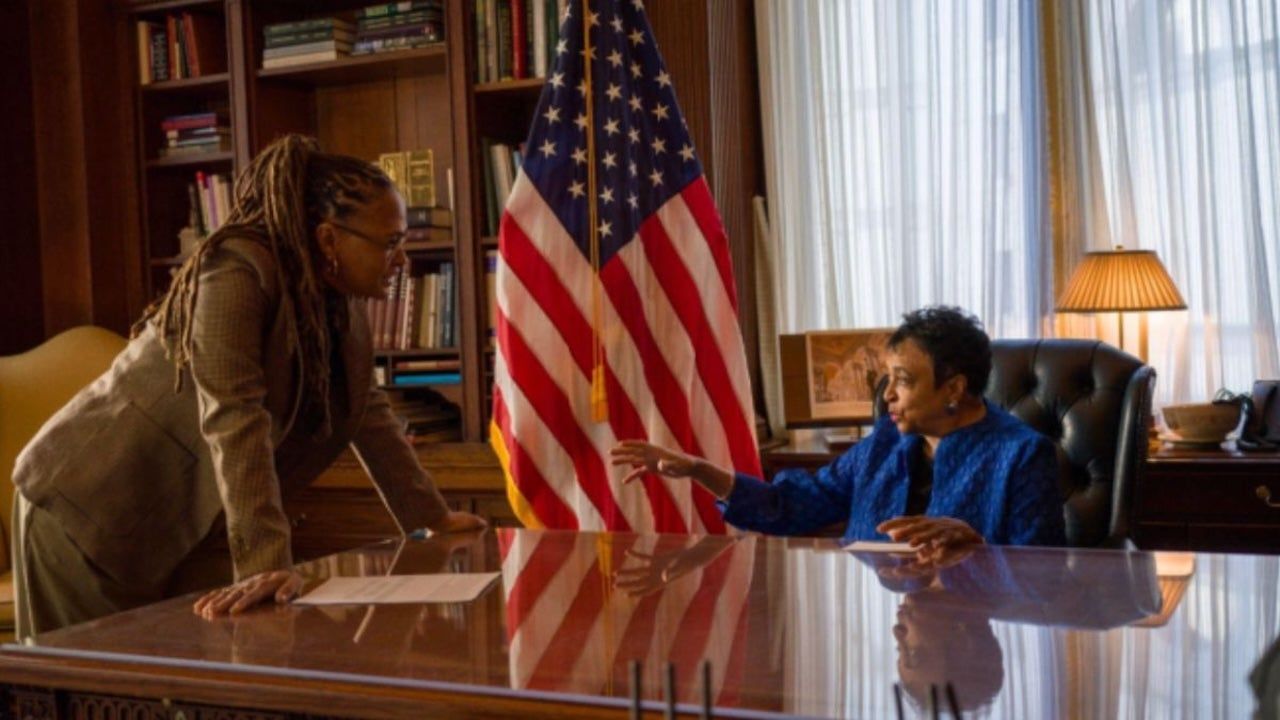
The first scene that lands in the frame is a grainy still of a courthouse in 1868, the year the 14th Amendment was ratified. In the background, a young woman in a simple dress whispers the word “citizenship” into the camera, her voice barely audible over the clatter of legal papers. The film never names her, but the moment feels like a quiet protest against the silence that has surrounded birthright rights for generations. By the time the credits roll, the audience has been taken on a journey that promises to tie the past to the present, only to find the connection sketched rather than fleshed out.
The documentary opens with a montage of archival footage, images of slave ships, Reconstruction rallies, and modern protest signs. The director’s intent is clear: to trace how the 14th Amendment, which declared “all persons born or naturalized in the United States” citizens, has been interpreted over time. Yet the film’s structure feels more like a lecture than a narrative. Interview snippets from scholars and activists appear in rapid succession, each offering a punchy line that lands like a textbook footnote rather than a lived experience. The result is an educational primer that lacks the emotional depth that has made DuVernay’s earlier works resonate.
When the film turns to contemporary issues, the removal of Confederate monuments, the rise of ICE operations during the Trump administration, it brings in a roster of experts who deliver concise soundbites. Their arguments, while factually sound, feel rehearsed. The director does not give them space to elaborate or to counter each other, leaving the viewer with a one‑sided chorus that echoes the same sentiment: that birthright citizenship is under siege. The absence of dissenting voices is a deliberate choice, but it also means the film fails to challenge those who might already be skeptical.
One of the most striking complaints comes from the way subjects are framed. The camera often places interviewees in a flat, clinical setting, with minimal lighting or background detail. This sterile aesthetic strips away the humanity of the individuals, reducing them to mere data points. A few moments, however, break the pattern: a shot of a protester holding a “No Deportations” sign, the camera lingering on the lines of the sign, the weight of the message hanging in the frame. These fleeting glimpses hint at what the film could have achieved if it had embraced a more cinematic approach.
The film’s ambition is commendable. It attempts to connect the 1868 amendment to today’s debates on migration and civil rights. Yet, in doing so, it sacrifices narrative drive for a series of facts. The result is a documentary that reads more like a lecture than a piece of cinema. It does not aim to persuade the undecided; instead, it seems content to reaffirm the views of those already on board. For viewers who want a deeper, more nuanced exploration, the film may feel unsatisfying.
In the end, the documentary’s strength lies in its factual backbone. It offers a clear, concise overview of the 14th Amendment’s history and its modern implications. However, its lack of visual dynamism and the absence of a broader range of perspectives leave it feeling like an academic exercise rather than a compelling cinematic experience. The next time a filmmaker tackles a constitutional issue, the lesson is clear: let the story breathe, give your subjects room to speak, and let the visuals carry the weight of the narrative.