News
2026 UEFA Nations League: Group table standings, fixtures and results
The 2026 UEFA Nations League kicks off on September 24, and the stakes are clear: every national squad starts from zero, and the first matchday will decide who gets the psychological edge.
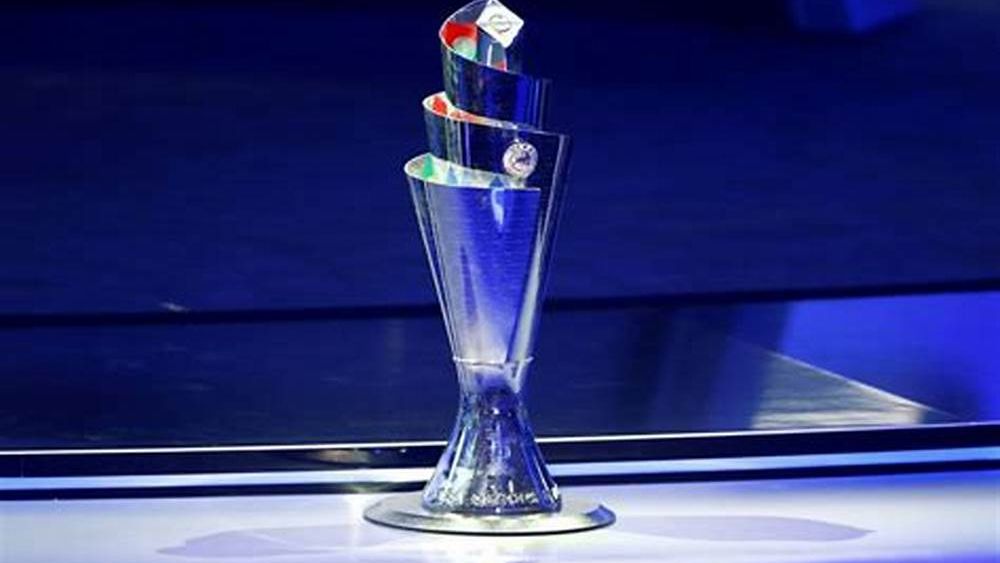
The 2026 UEFA Nations League kicks off on September 24, and the stakes are clear: every national squad starts from zero, and the first matchday will decide who gets the psychological edge. For the players, it’s a chance to prove themselves on a continental stage that no longer feels like a consolation prize. For the fans, it’s a reminder that football still carries the weight of national pride, even when the tournament is not a World Cup qualifier.
The opening Thursday schedule is a gauntlet for the elite. Netherlands will take on Germany, a fixture that promises a clash of tactical sophistication and raw power. Meanwhile, Portugalthe defending championswill test their mettle against Wales, a team that has shown resilience in recent qualifiers. These two games set the tone: a win here is not just about points; it’s about confidence that will ripple through the rest of the league phase.
League A is split into four groups, each a microcosm of European footballing ambition. In Group A1, France, Italy, Belgium, and Türkiye will vie for top spots. The absence of any points yet makes the initial draw a perfect equalizer, but the historical pedigree of France and Italy suggests they will quickly dominate. Group A2 pits Germany against Netherlands, with Serbia and Greece as the dark horsesyet both have struggled against the top four in recent years. Group A3 is a classic showdown: Spain, Croatia, England, and Czechia. Here, England’s recent resurgence could be the key to overturning Spain’s traditional dominance. Group A4 features Portugal, Denmark, Norway, and Wales; the defending champions will likely aim to reassert their supremacy, but Denmark’s disciplined approach could make them a formidable obstacle.
For the athletes, the league is a platform to showcase their skills to national selectors and club scouts alike. A strong performance against a rival can cement a player’s place in the squad for the upcoming World Cup cycle. For example, a young striker scoring against Germany could find himself on the radar of top European clubs. The pressure is real, but so is the opportunity.
Everyone’s celebrating the format’s return, but let’s be honest: the Nations League still feels like a consolation prize for those who missed out on major tournaments. The fact that the league phase is spread over six matchdays between September and November means that fatigue and injuries can skew results. The true test will come when the knockout stages arrivewill the teams that shine in the league phase sustain that momentum? I predict that Portugal will use their championship experience to navigate the early hurdles, but the real surprise will come from England or Spainteams that have the depth to recover from a poor start.
Fans should keep an eye on the goal differences in the early matches. A high-scoring win can swing the standings dramatically in a league where every point counts. Also, note the matchups between Scotland and Switzerland in League B; these games often determine promotion or relegation, affecting the next season’s league placement.
The 2026 UEFA Nations League is more than a series of friendly fixtures; it is a crucible where national pride, player ambition, and club interests collide. The first day will set the rhythm, and the rest of the season will reveal who can turn that rhythm into a championship.