News
The National joined by Richard Reed Parry and play '90-Mile Water Wall' for first time since 2014 at first full gig in two years
The National’s return to full‑band stage is not just a musical event; it’s a statement about resilience for the touring community that has been left adrift by the pandemic.
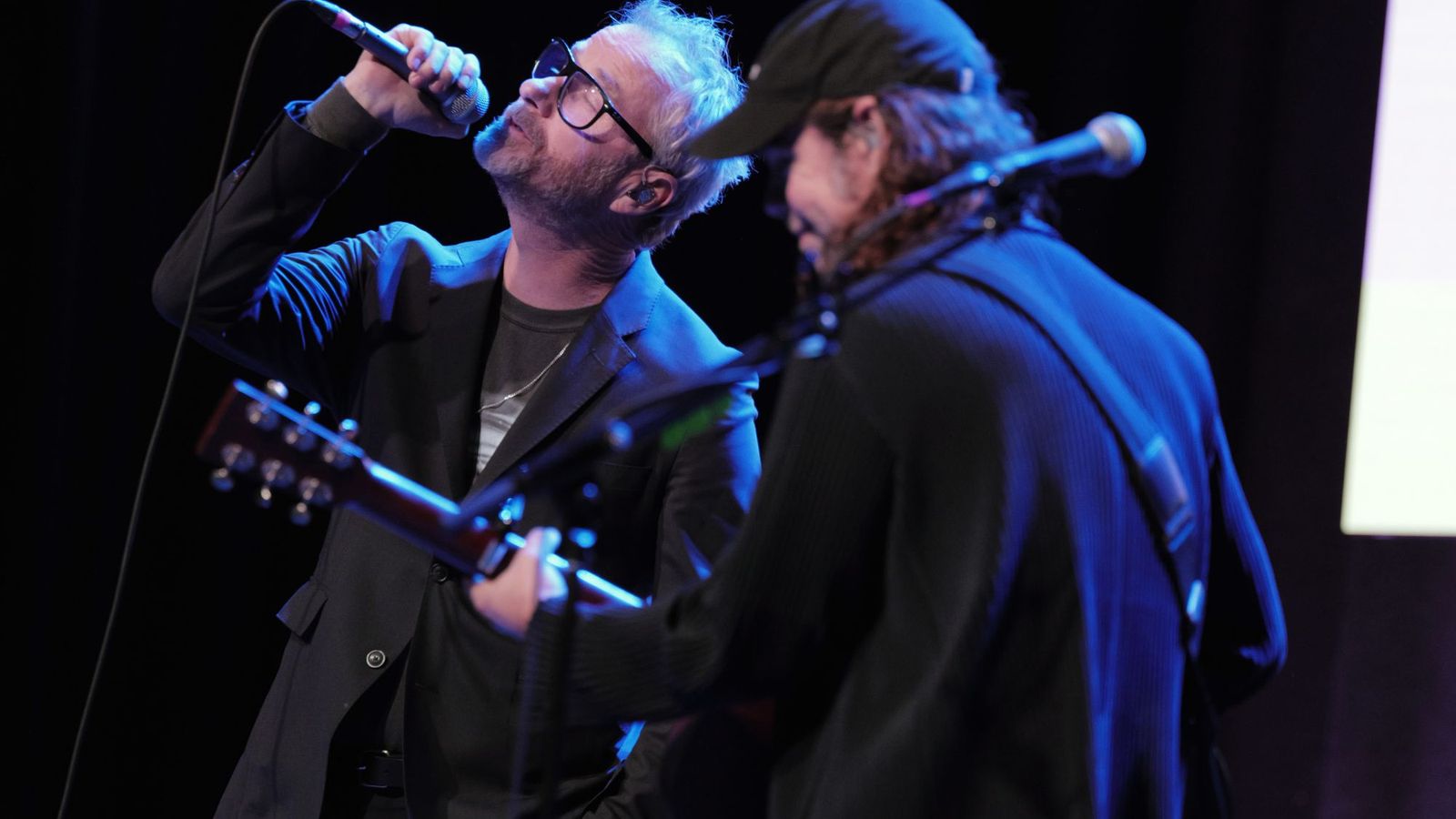
The National’s return to full‑band stage is not just a musical event; it’s a statement about resilience for the touring community that has been left adrift by the pandemic. When Matt Berninger and the crew stepped into the Kursaal Auditorium on 18 October, they carried the weight of two years of silence and the hope of a new era for indie rock fans who missed the raw energy of live shows.
The opening of the set with “Humiliation” and “This Is the Last Time” felt like a countdown to a long‑awaited climax. Then, mid‑song, Richard Reed Parryknown for his work with Arcade Firewalked onto the stage. His presence is more than a cameo; it is a reminder that the indie scene thrives on collaboration. Reed Parry had already lent his double bass, guitar and vocal harmonies to High Violet in 2010 and Trouble Will Find Me in 2013. By re‑introducing him, The National signals that the lines between bands are porous, and that the creative ecosystem is stronger when artists cross-pollinate.
The highlight of the night was the first live performance of “90‑Mile Water Wall” since 2014. The track, a 2003 staple, had been absent from setlists for almost a decade, a silence that mirrored the industry’s pause. Bringing it back now is a notable step that speaks to the band’s willingness to revisit and revitalize their catalog. It also gives long‑time fans a taste of the nostalgia that keeps the indie scene alive, while newer listeners get a chance to experience the depth of The National’s songwriting.
When Sorrow was performed twiceonce with the usual lineup and again alongside visual artist Ragnar Kjartanssonthe concert transcended music. Kjartansson, who had previously collaborated with the band on a performance art piece in 2013, added a layer of contemporary art that challenged the audience’s expectations. This fusion of auditory and visual storytelling is a reminder that live concerts are evolving into multidisciplinary experiences, a trend that will shape future touring strategies.
The National’s single full‑band show of 2024, billed as “The National And Friends,” underscores a broader industry shift. Indie acts are increasingly booking “friends” showssmall, intimate venues with guest artiststo rebuild fan bases without the financial risk of large tours. This strategy not only keeps the music alive but also nurtures a sense of community that was lost during lockdowns. By choosing a venue in San Sebastián and inviting a mix of collaborators, The National is setting a template for how bands can re‑engage audiences while staying financially viable.
Given the success of this night, I predict that the “friends” model will become the standard for indie bands over the next two years. Smaller, collaborative gigs will offer a safer, more sustainable alternative to the high‑cost tours that dominated pre‑pandemic schedules. If The National can replicate this model elsewhere, it will likely influence other acts to follow suit, reshaping the touring landscape for the foreseeable future.
The National’s return is more than a concert; it’s a blueprint for resilience. By re‑introducing long‑forgotten tracks, collaborating with artists across disciplines, and embracing a low‑risk touring model, they are charting a path that other indie acts canand shouldfollow.