News
New 'more flexible' Star Wars games to be released after Galactic Racer success
The last few weeks have seen a quiet revolution in the Star Wars video‑game world, and it’s the ordinary gamers and indie developers who feel the ripple.
The last few weeks have seen a quiet revolution in the Star Wars video‑game world, and it’s the ordinary gamers and indie developers who feel the ripple. The franchise’s latest titles, Zero Company and Galactic Racer, have not only sold well but have also proven that a smaller studio can deliver an experience that feels as grand as a blockbuster. For the everyday fan who has waited years for a fresh take on the galaxy, the news is a breath of fresh air: the Star Wars universe is no longer the preserve of a few big‑name studios.
Lucasfilm Games’ decision to partner with smaller studios is more than a marketing headline; it’s a concrete shift in how the IP is managed. Douglas Reilley, vice‑president of Lucasfilm Games, openly admitted that the company is “more flexible” about who it partners with. This is a direct response to the success of Zero Company, which sold over a million copies, and Galactic Racer, a viral hit that earned top Metacritic scores. The fact that Fuse Games, a debut studio with veterans from Criterion Games, could produce an AAA‑level title in a single year is evidence of the new openness. It means that a developer with a solid portfolio, even if it’s not a household name, can now pitch a Star Wars project and have a chance at the franchise’s golden stamp.
The term “flexible” is often used as a buzzword, but here it carries weight. Reilley’s comments about “finding the best partner who makes that experience come alive” suggest a move away from the rigid licensing model that once kept the franchise in the hands of a handful of big studios. However, the company still insists on a high quality bar, implying that flexibility does not equal laxity. The challenge for indie studios is proving their technical and creative chops, which is no small feat. Yet the success of Galactic Racera Burnout‑style racer that leveraged the talents of former Criterion developersshows that the bar can be met without the massive budgets that usually accompany AAA titles.
Star Wars has always been a playground for diverse storytelling, and Reilley’s emphasis on “other opportunities to tell stories in different genres” is a nod to that legacy. The franchise’s future is no longer a single, linear narrative; it is a mosaic of experiences that can span tactical shooters, racing games, and beyond. The recent partnership with Zero Company, a tactical shooter homage to XCOM, demonstrates that the IP can support complex, strategy‑heavy gameplay while still feeling authentically Star Wars. This diversification could attract a broader audience, from hardcore strategy fans to casual racers, and ultimately expand the franchise’s fan base.
If the current trajectory continues, I predict that within the next two years we will see at least one more indie‑led Star Wars title that rivals the sales and critical reception of the AAA releases. The combination of a proven licensing model, a demand for fresh gameplay, and the proven success of Zero Company and Galactic Racer creates a perfect storm for innovation. The next big hit could very well come from a studio that has never even released a title before, but has a clear vision and the technical skill to execute it.
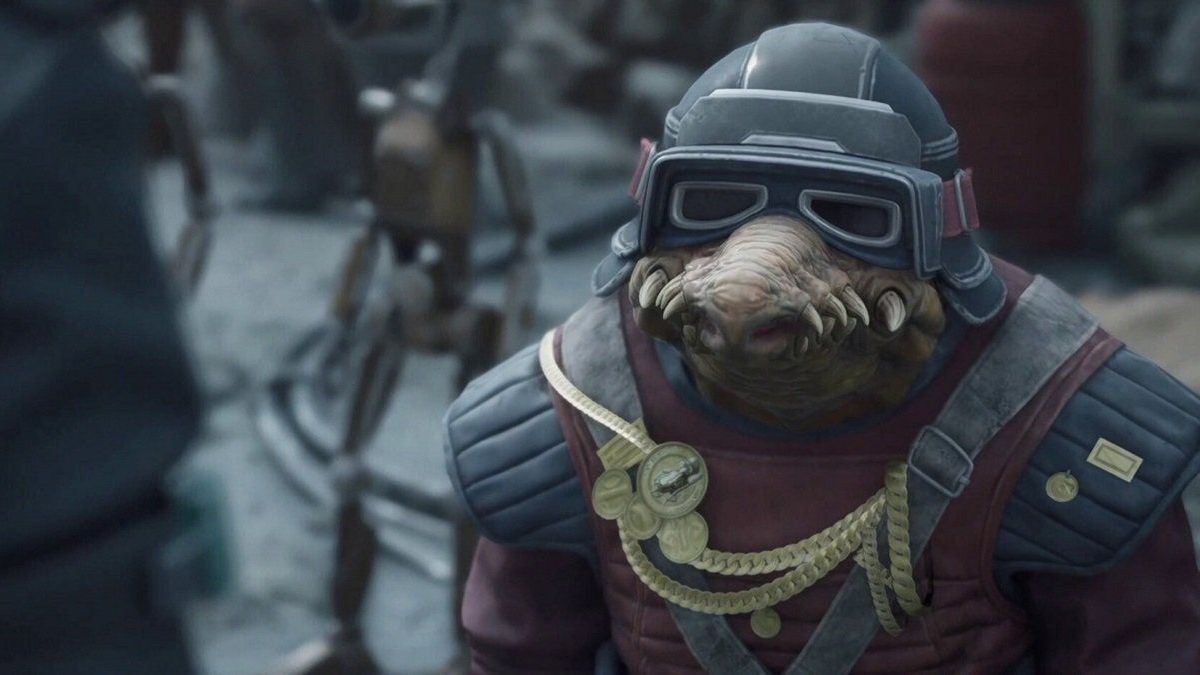
For the average fan, the shift means more choices and more ways to engage with the universe they love. It also means that the stories we hear about on social medialike the viral character Biddy Blas from Galactic Racerare no longer just marketing gimmicks. They are proof that the franchise is listening to its community and rewarding creativity. This democratization of Star Wars gaming could also inspire a new generation of developers who see that the galaxy is wide enough for their ideas.
The ripple effect will be felt across the industry. If Lucasfilm Games proves that smaller studios can deliver AAA‑level experiences, other IP holders may follow suit, leading to a more vibrant and diverse gaming ecosystem. For now, the message is clear: the Star Wars universe is expanding, and it’s doing so with a fresh, inclusive approach that benefits both creators and players alike.