Podcasts
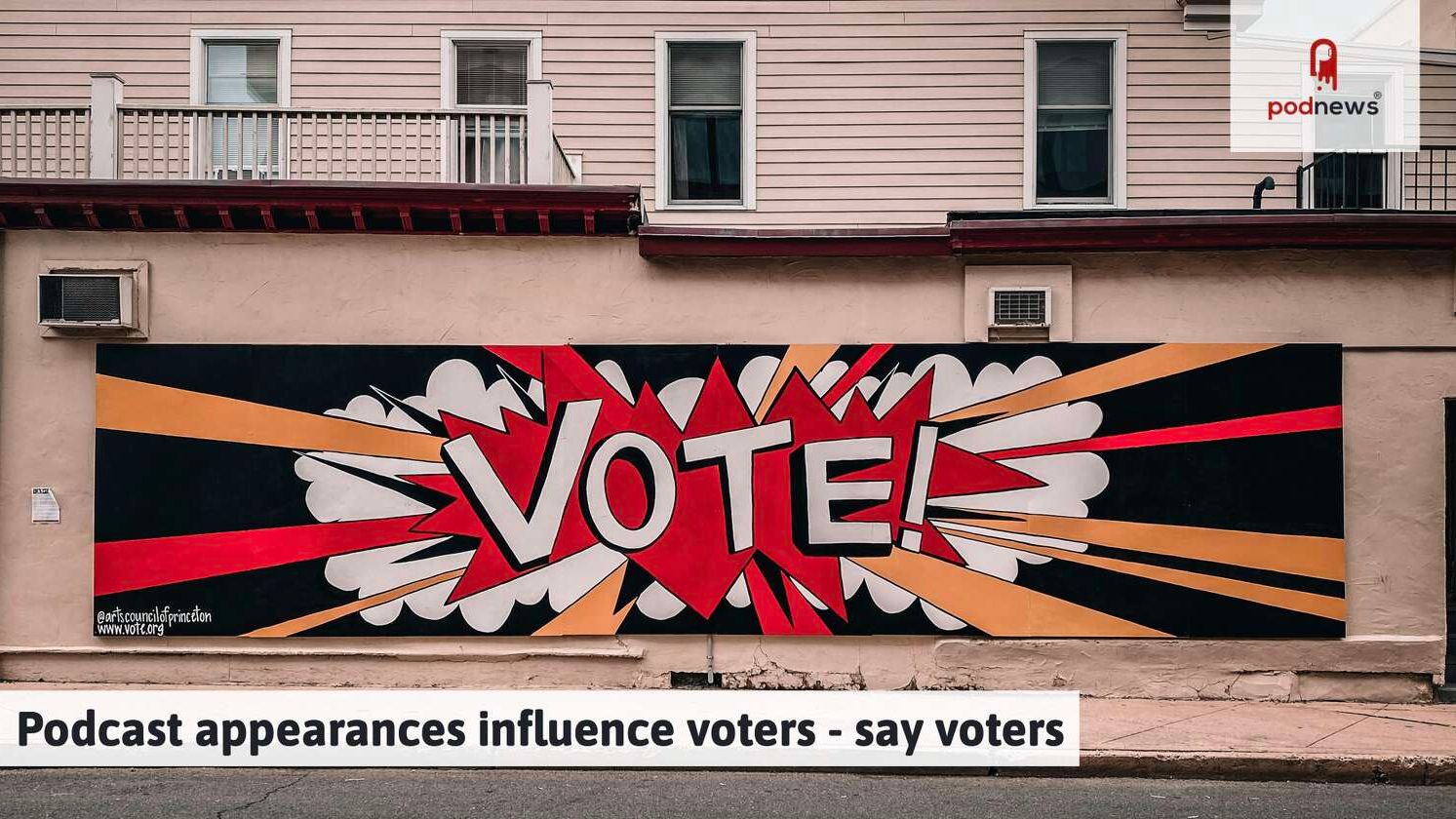
Podcast appearances influence voters - say voters
In a quiet corner of a coffee shop in Washington, D.C., a young voter named Maya flips through her phone, scrolling past a list of podcast episodes.
In a quiet corner of a coffee shop in Washington, D.C., a young voter named Maya flips through her phone, scrolling past a list of podcast episodes. She pauses at a headline: “One in four podcast listeners say a candidate’s appearance might sway their vote.” Maya leans back, eyes widening. She’s not alone. Across the country, the new Sounds Profitable data is turning up the volume on how podcasts are nudging political choices.
The Sounds Profitable report, released just before the 2026 midterm elections, tells a clear story: 25% of podcast listeners admit that hearing a candidate on a show could influence their ballot. That’s a staggering number when you consider how many people still think of podcasts as niche entertainment. The data also shows that podcast listeners are almost evenly split between the two major parties, meaning the medium is a level playing field for political messaging. But the real kicker? Independents are the most devoted listeners, spending more time on podcasts than any other group. This suggests that the undecided are the most likely to be reached when a candidate drops into a popular series.
While podcasts traditionally thrive on audio, the industry is testing new waters. Apple Podcasts’ Jake Shapiro recently appeared on PodBiz to discuss the platform’s new HLS (HTTP Live Streaming) ads, which combine audio and video. Shapiro explained that Apple will soon charge ad networks an impression‑based fee for these dynamic HLS ads, regardless of whether the user is listening or watching. This move could blur the line between podcasting and streaming video, but the question remains: do listeners care?
A study from Edison Research confirms that, in the U.S., independents are the most engaged, but it doesn’t detail format preferences. However, an Australian surveyPodPoll 26provides a clearer picture: 60% of podcast consumers prefer audio, while only 23% favor video. That’s the first time Australia’s data has shown a majority of regular monthly podcast users, with 50% of respondents saying they tune in every month. The takeaway? Even as the industry experiments with video, the core audience still gravitates toward the audio experience.
For candidates, the implications are obvious. A well‑timed podcast appearance can be a cheap, high‑impact campaign tool. The Sounds Profitable data suggests that a single episode can tip the scales for a significant portion of voters. And with Apple’s upcoming ad model, candidates may soon be able to target listeners more precisely, paying only for actual impressions rather than blanket buys. This could democratize political advertising, giving smaller campaigns a chance to compete with the big spenders.
From a creator’s perspective, the shift to HLS ads means podcasters can monetize both audio and visual content. If a podcast starts adding video snippetsinterviews, behind‑the‑scenes footageit could open new revenue streams while keeping the core audience engaged. The challenge will be balancing the production costs of video with the potential return.
The data arrives at a crucial moment. Midterm elections are often decided by the margins of a few percentage points, and the Sounds Profitable figures show that podcasts could be a decisive factor. With independentswho are the most time‑spend listenersbeing the most receptive, campaigns that invest in podcast outreach may find a sweet spot. Moreover, the rise of dynamic HLS ads could make it easier to track engagement, allowing campaigns to refine their messaging in real time.
For voters like Maya, the message is clear: the next time you hear a candidate on your favorite podcast, remember that it’s more than just a casual chatit could be the reason you decide who gets your vote.
The podcast landscape is evolving, but the core power remains: a well‑crafted story, delivered in the right format, can move people. As the 2026 midterms loom, the mic is louder than ever, and the audience is listening.