Tech
Africa's $30 smartphone goal is becoming harder to achieve
Africa’s mobile internet problem is no longer only whether a network reaches people. Increasingly, it is whether they can afford the phone needed to use it.

Africa’s mobile internet problem is no longer only whether a network reaches people. Increasingly, it is whether they can afford the phone needed to use it. Across the continent, operators have spent years building towers, laying fibre and expanding 3G and 4G coverage. The networks are there. In Senegal, 4G reaches about 97 % of the population; in Uganda, 98 %; and in Nigeria, more than 80 %. Yet millions of people living under those networks remain offlinenot because there is no signal, but because getting online still costs too much. “Africa has built the networks,” Caroline Mbugua, a senior official at the GSMA, the mobile industry association, said in an interview with TechCabal. “But not enough people can afford to use them.” The challenge is no longer simply whether a community can access a signal. It is whether people can afford an internet‑capable phone, pay for data, acquire the skills needed to use digital services and find sufficient value online to justify the cost.
The GSMA’s 2026 State of Mobile Internet Connectivity report paints a stark picture: 3.1 billion people globally live within mobile‑broadband coverage but do not use mobile internet. More than 90 % of the 3.4 billion people still offline already live within mobile broadband coverage. In Africa, 906 million peoplenearly 60 % of the continent’s populationlive within reach of 3G, 4G or 5G networks but remain offline. The gap is even more pronounced in Sub‑Saharan Africa, where just 25 % of the population uses mobile internet, according to Mbugua. Another 66 % live within mobile broadband coverage but do not use it. That means Africa’s next connectivity challenge is not simply building more networks. It is making internet access affordable enough for people to use.
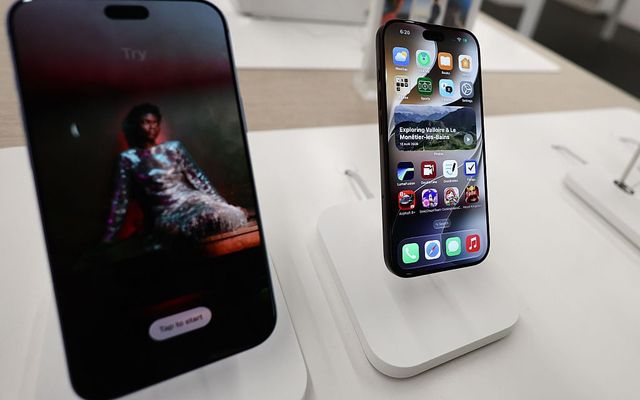
At the centre of that push is a deceptively simple goal: a smartphone that costs about $30. The target is not new, but it is becoming harder to reach. From memory chips and other components to network operations and taxes, the inputs that determine handset prices are moving in the wrong direction. Memory prices more than doubled between Q3 2025 and Q1 2026, then surged by a further 80‑90 % in Q2. The squeeze has hit the cheapest phones hardest, eroding margins in the sub‑$100 segment and pushing prices higher. Omdia estimates that the average smartphone selling price in Africa rose by $41 year‑on‑year to $202, while shipments of sub‑$100 devices fell 34 %.
The sub‑$100 segment is the lifeline for low‑income users. It is where the price elasticity of demand is highest, and where every dollar saved translates into a new device for a family. But the cost structure is tightening. Memory chips, the backbone of any smartphone, have become a premium commodity. When the price of a single gigabyte of DRAM doubles, the cost of a phone that uses 2 GB of RAM jumps by $30 or more. Add to that the rising import duties, VAT, and the cost of local assembly, and the margin evaporates. Operators and manufacturers are left with a dilemma: either absorb losses, which is unsustainable, or raise retail prices, which defeats the affordability objective.
This pricing squeeze is part of a larger shift in how African economies view digital inclusion. Governments are moving from infrastructure provision to user‑centric strategies. In Senegal, for example, the government has partnered with local manufacturers to produce low‑cost handsets under a public‑private partnership model. In Uganda, mobile operators have introduced “pay‑as‑you‑go” data bundles that allow users to purchase a few minutes of data for a few cents. These initiatives signal a recognition that connectivity is no longer a pure infrastructure problem but a socio‑economic one that demands holistic solutions.
Given the current trajectory of component costs and the tightening margins, I predict that the $30 smartphone goal will not be met in the next two years without significant policy intervention. If African governments and industry bodies can negotiate lower import duties on key components or incentivize local manufacturing through tax breaks, the price curve could flatten. Otherwise, we will see a continued rise in average handset prices and a widening digital divide.
The next few months will be telling. Operators will likely roll out more affordable data plans, and manufacturers may explore alternative memory technologies to curb costs. Whether these measures can offset the steep rise in component prices remains to be seen, but the urgency is clear. If the $30 target slips further, the continent risks losing a generation of digital natives to a world where connectivity is a luxury rather than a right.