Movies
Amy Poehler Hilariously Presses Andrew Garfield on Whether He's Actually a Method Actor: 'I Mean, Are You Though?'
Amy Poehler’s latest “Good Hang” episode turned a simple interview into a comedy skit, with the former SNL alum relentlessly poking Andrew Garfield about his acting technique.
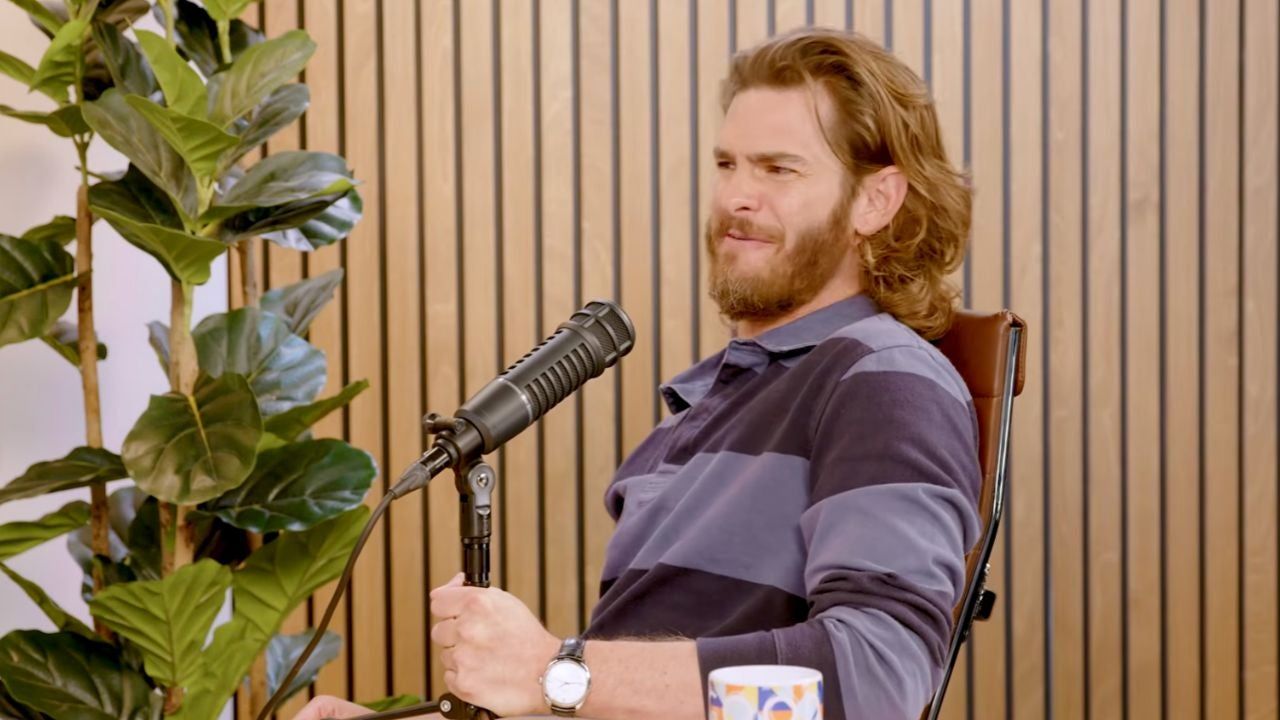
Amy Poehler’s latest “Good Hang” episode turned a simple interview into a comedy skit, with the former SNL alum relentlessly poking Andrew Garfield about his acting technique. Garfield, best known for his turn as Spiderman in the Amazing Spider‑Man trilogy, was initially evasive before finally conceding that he does, in fact, practice a form of method acting. The stakes are clear: the conversation not only reveals how a contemporary Hollywood star navigates the legacy of method acting, but also highlights how the term itself is being re‑examined in today’s studio culture.
Poehler began with a direct question: “Do you consider yourself a method actor?” Garfield’s first reply was a quick, “Yeah,” before she cut him off, teasing him about the depth of his commitment. She followed with playful jabs“You went to monk school for a year,” and “You lost weight”before demanding a definitive answer. The exchange was punctuated by laughter, yet it culminated in a surprisingly candid admission: Garfield said, “Um, in a way, yes. But I think the term has been massively mischaracterized, misunderstood, and co‑opted by people that don’t know.” He added that a method is simply “having a method,” and that it can be practiced without “f‑k[ing] up the crew.” This moment is the heart of the story: a mainstream actor openly redefining a revered yet often misunderstood technique.
Method acting traces back to the Actors’ Studio in the 1950s, where figures like Marlon Brando set a new standard for emotional authenticity. Over the decades, the approach has been associated with intense physical transformations and, at times, on‑set turbulence. Garfield’s comments echo a stance he articulated on the 2022 “WTF With Marc Maron” podcast, where he argued that method acting “is not about being an a‑hole to everyone on set.” Instead, he framed it as “living truthfully under imagined circumstances” while remaining “a normal human being.” His perspective signals a shift toward a more collaborative and humane application of the techniquean evolution that mirrors broader industry calls for mental health and respectful set environments.
Garfield’s insistence that “a method is basically having a method” reflects a broader trend among contemporary actors who adopt elements of the technique without the extreme extremes of the past. By emphasizing that method work “doesn’t f‑k with the rest of the cast or crew,” he underscores a growing recognition that authenticity need not come at the expense of professionalism. This redefinition aligns with the increasing visibility of mental‑health advocacy in Hollywood, where performers are urged to balance depth of portrayal with wellbeing. The conversation, therefore, is not just about Garfield but about how the industry is recalibrating its understanding of craft.
Given the trajectory of Hollywood’s cultural climatewhere audiences and creators increasingly value transparency and mental‑healthmethod acting is likely to become more mainstream and less stigmatized. I predict that within the next few years, we will see a surge of actors openly discussing their nuanced approach to method work in interviews and podcasts, positioning it as a tool for deeper storytelling rather than an excuse for on‑set misbehavior. This shift will also influence casting decisions, as directors seek actors who can deliver authenticity while maintaining a collaborative on‑set presence.
The dialogue between Poehler and Garfield serves as a microcosm of that shift, reminding us that the craft of acting is evolving. As the industry continues to grapple with balancing artistic integrity and professional conduct, the method may very well transition from a niche technique to a standard practice embraced by the next generation of performers.