Reality Tv
Architects' Sam Carter speaks out on impact "anxiety and constant focus" on his voice after online criticism
Sam Carter, the frontman of Architects, just dropped a raw Instagram confession that feels like a backstage window into the pressure cooker of touring life.
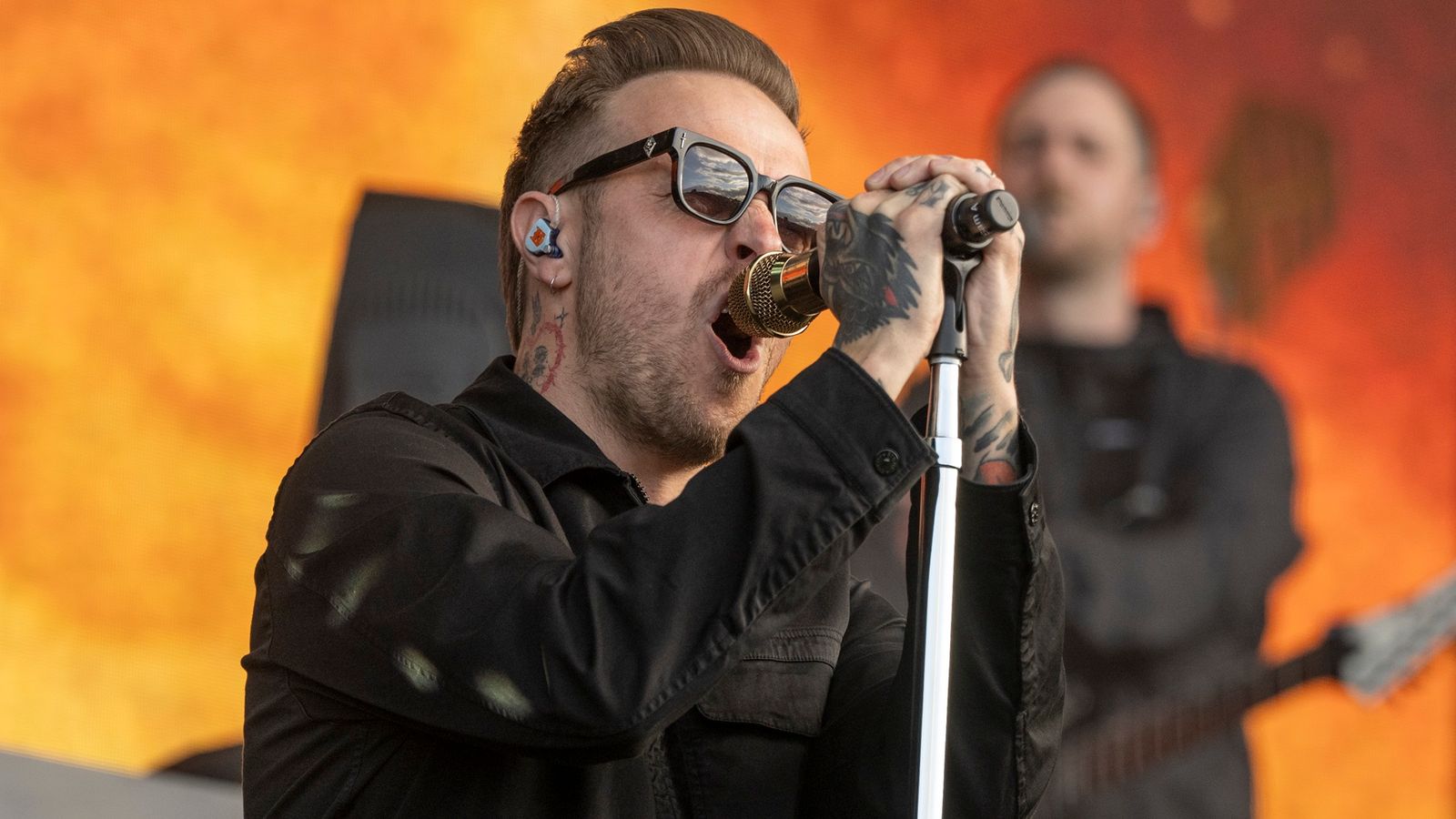
Sam Carter, the frontman of Architects, just dropped a raw Instagram confession that feels like a backstage window into the pressure cooker of touring life. He’s been battling vocal strain and anxiety for a year, and the sting of online criticism has turned every set into a mental minefield. The band’s recent shows, especially the Rock am Ring gig, have amplified the drama, leaving Carter “physically and emotionally shot.” He’s now leaning on therapy, vocal coaching, and a supportive crew to reclaim the joy of performing. The story isn’t just about a singer’s voice; it’s a reminder that the digital spotlight can be as harsh as any stage.
Carter’s post starts with a simple, honest line: “It’s time for me to be honest here, and it’s not going to be easy.” He explains that his anxiety and constant focus on his voice has stolen the pleasure of performing. “Whenever I go to scream, the voice inside my head stops me,” he writes. The weight of criticism has pushed him into a tunnel from which he’s struggled to escape. The emotional burden is heavy enough that his bandmates and wife have become his lifeline, yet he feels the crushing weight of every negative comment.
The summer’s Rock am Ring performance turned Carter’s vocal experiment into a nightmare. With 90‑odd thousand people watching, he tried a new technique and felt the backlash hit him like a punch. “The more I tried, the crueler the comments over the summer got,” he admits. The pressure spiralled into a full‑blown performance anxiety that left him unable to enjoy the music or the stage. This moment became a catalyst for his decision to seek professional help and re‑evaluate his relationship with his craft.
Carter credits David from Extreme Vocal Academy for helping him unlock the part of his voice that had been buried under negativity. He also reveals that he’s been in therapy every week and is taking medication to manage his mental health. “My bandmates and wife have been so supportive over the last year I can’t begin to tell you how loved I feel,” he says, but he also warns that the stress is still taking a toll. The honesty in his message underscores a broader truth: even seasoned performers are not immune to the mental strain of public scrutiny.
What Carter’s struggle highlights is the growing conversation about mental health in the music industry. Artists across genres are increasingly sharing their battles with anxiety, depression, and the relentless pressure to perform flawlessly. The digital age amplifies these challenges, turning every lyric and vocal inflection into fodder for online debate. Carter’s openness serves as a call for fans and critics alike to remember that behind every stage persona is a human being who feels, fears, and heals.
The music world is slowly shifting toward a more compassionate dialogue. As fans, we can help by offering support instead of judgment, and by recognizing that the art we love is often a product of resilience and vulnerability. Carter’s candidness is a reminder that the road to recovery is a shared journey, not a solitary battle.