Reality Tv
SNL UK goes nuclear on Shane Gillis after 'disgusting' joke about women
Shane Gillis’s short‑shorts rant hit a nerve that rippled far beyond the studio.
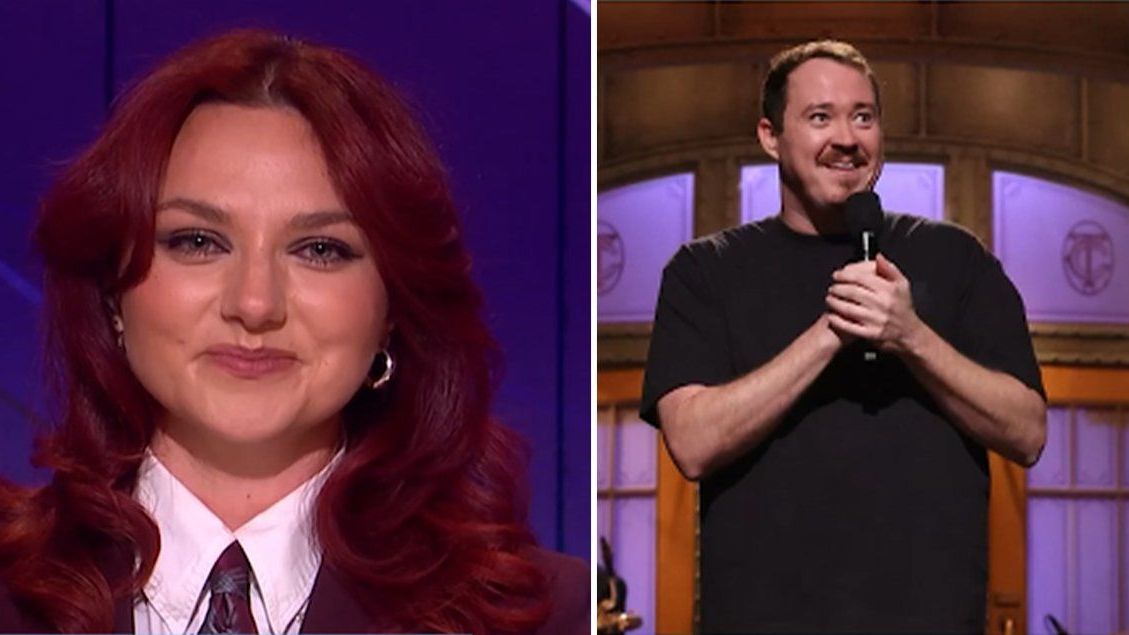
Shane Gillis’s short‑shorts rant hit a nerve that rippled far beyond the studio. When a 38‑year‑old comedian, fresh from a controversial US SNL stint, dropped a misogynistic barb about women in gym shorts, the backlash was swift and brutal. The real victims were the women who simply chose to dress comfortably for a workout, and the audience that had to witness their dignity being stripped for a laugh. The fallout shows how a single line can ignite a cultural reckoning, and it reminds us that comedy is not a free‑wheeling playground when it comes to gender.
Ania Magliano turned the tide on SNL UK by refusing to let Gillis’s joke slide. In a mock news segment, she riffed on a Munich Oktoberfest ride operator handing out free cycling shorts to female riders, then warned that “wearing the gym shorts will protect women from being upskirted, but it does make them vulnerable to something much worse.” Her timing was impeccable; the line hit the same chord that many viewers felt when Gillis called women who wear short shorts “whores.” Magliano’s jab was not just a punchlineit was a public statement that the comedy world cannot ignore misogyny. By calling out Gillis on live television, she forced the conversation into the mainstream, turning a fleeting moment into a cultural moment.
Dan Levy, known for his role in Schitt’s Creek, joined the chorus of condemnation. He argued that women wearing short shorts do not deserve the label “whores,” and that men who do so are perpetuating a misogynistic culture. Levy’s criticism was more than a moral outcry; it was a challenge to the industry to hold its own. He expressed shock that such a joke aired on national television, highlighting a systemic failure to police content that degrades women. Levy’s stance underscores a broader issue: when a comedian’s platform is used to normalize harassment, the entire entertainment ecosystem must confront its complicity.
Former SNL cast member Ego Nwodim added a layer of irony by posting a photo of herself at the gym with the caption “Whore reporting for duty.” Her post was a subversive counter‑joke that flipped the narrative, turning the insult back on the system that allowed it. By embracing the slur in a self‑aware way, Nwodim highlighted how language can be reclaimed, but also how the original insult remains damaging. Her response reminded audiences that the fight against misogyny is not only about condemning bad jokes but also about redefining the terms of the conversation.
The uproar was not confined to the UK. Fans across the globe shared screenshots of Gillis’s clip, celebrating the moment as a patriotic jab at American comedy. Yet the backlash also exposed a deeper divide: while some praised the humor, others felt it perpetuated a culture of sexual assault. The debate has forced viewers to confront the uncomfortable truth that comedy can be complicit in normalizing harassment. It also highlighted the power of social media to amplify voices that were once marginalized, turning a single joke into a catalyst for change.
Within the next year, I foresee a stricter set of guidelines for live comedy shows, especially those with international reach. Networks will likely implement pre‑screening protocols that flag potentially misogynistic content before it airs. This shift will be driven by audience pressure and the industry’s desire to avoid costly backlash. If SNL UK and its counterparts adopt these measures, the comedy landscape could become safer for women and more respectful overall.
The obvious narrative“comedy is free speech”fails to account for the real harm inflicted by jokes that degrade women. While some defend Gillis’s line as a “dark” joke, the reality is that humor built on misogyny perpetuates a culture where women’s bodies are objectified and disrespected. The backlash proves that audiences are increasingly unwilling to tolerate such content. This is not a fleeting trend; it is a seismic shift in how we evaluate comedic value versus social impact.
The final takeaway is clear: the comedy industry must evolve. If it continues to let misogynistic jokes slip through the cracks, it risks alienating a growing segment of its audience and perpetuating harmful stereotypes. The moment Ania Magliano and her peers stepped up shows that accountability can be delivered on stage, not just in the studio. The next time a joke lands on a live broadcast, let us ask whether it is truly funny or simply a vehicle for hate.