Politics
Atiku rejects Tinubu's economic scorecard, cites unpaid wages
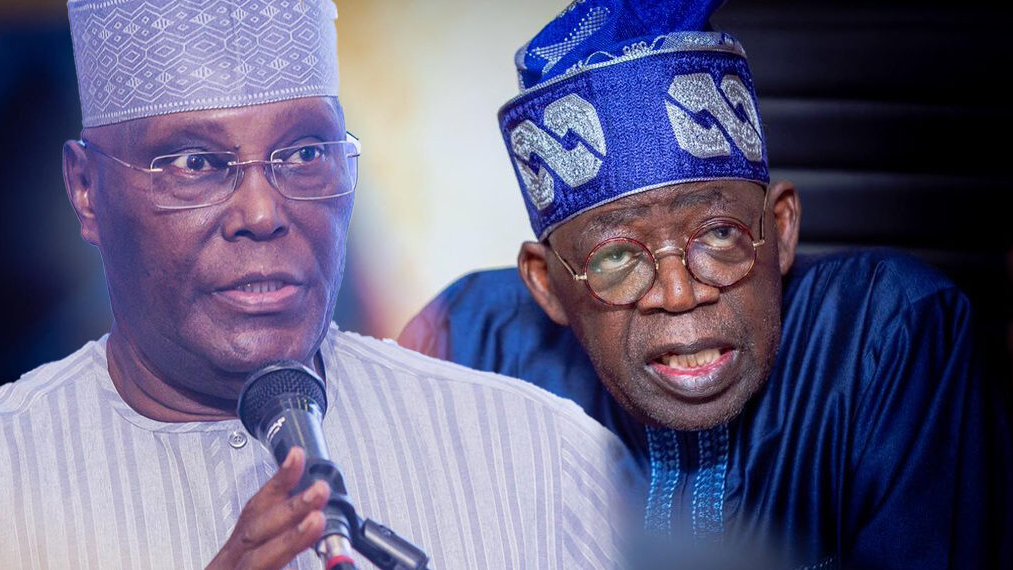
Atiku Abubakar, the Presidential Candidate of the African Democratic Congress (ADC), is fighting for the hearts and minds of Nigerians, especially workers who are still reeling from the effects of unpaid wages. As the country prepares for the 2027 polls, Atiku's recent statement rejecting President Bola Tinubu's economic scorecard has set the tone for a heated debate on the government's handling of public debt, subsidy removal, and workers' welfare. Atiku's rejection is not just a political maneuver; it's a calculated move to highlight the government's failure to implement the new minimum wage and address the grievances of organised labour.
Atiku's statement, released by his Senior Special Assistant on Public Communication, Phrank Shaibu, cites publicly available facts to challenge the government's claims on public debt, subsidy removal, and workers' welfare. One of the key figures he referenced is the Central Bank of Nigeria (CBN), which shows that the Federal Government's exposure to the apex bank has risen from ₦26.9 trillion in May 2023 to over ₦40.38 trillion in May 2026. This represents an increase of ₦17.39 trillion, or 77.6 per cent, within one year. Atiku argues that this is not debt reduction but debt restructuring, where the government has merely changed the label on the debt by converting Ways and Means advances into Treasury Bills and bonds while piling up fresh obligations.
Atiku's rejection of Tinubu's economic scorecard is also a reflection of the ADC's campaign strategy, which focuses on the welfare of Nigerian workers. The party has been vocal about the government's failure to implement the new minimum wage, despite official directives that the 40 per cent peculiar allowance tied to the wage adjustment should take effect from May 1, 2026. Atiku's statement highlights the government's insatiable appetite for borrowing, which has crowded out productive businesses while pushing debt servicing to unsustainable levels. This is a classic case of the politics of debt and welfare, where the government's economic policies are driven by the interests of the ruling elite rather than the needs of the common man.
Atiku's rejection of Tinubu's economic scorecard is also a reflection of the ADC's skepticism about the government's economic reforms. The party has been critical of the government's decision to remove subsidies, which has led to a rise in the cost of living for ordinary Nigerians. Atiku's statement challenges the government's claim that subsidy savings are financing the Nigerian Education Loan Fund (NELFUND), citing an earlier disclosure by the fund's Chief Executive Officer. According to him, the CEO had publicly stated that the scheme received a ₦50 billion injection from recovered funds by the Economic and Financial Crimes Commission (EFCC). If that is the case, why is the government now presenting subsidy savings as the source? He asked.
As the 2027 polls approach, Atiku's rejection of Tinubu's economic scorecard will likely dominate the campaign trail. The ADC's campaign strategy, which focuses on the welfare of Nigerian workers, is likely to resonate with ordinary Nigerians who are still reeling from the effects of unpaid wages and rising debt servicing costs. The politics of debt and welfare is a complex issue that requires a nuanced understanding of the government's economic policies and their impact on the common man. As the debate rages on, one thing is clear: the ADC's rejection of Tinubu's economic scorecard is not just a political maneuver but a calculated move to highlight the government's failure to address the grievances of organised labour.
More stories you'll like

Politics
No Kings Instagram Account Disappears Amid Nationwide Trump Protests
Politics
White House Media Ban: Press Attorney Says Trump Legal Battle Signals 'Dangerous Problem' for Journalists
Politics