Reality Tv
Aubrey O'Day Worries Diddy Will 'Come Back a Worse Criminal' After Prison Time: 'The System Is Broken'
Aubrey O Day, a former Danity Kane singer, fired back at a recent NBC News probe into Sean Diddy Combs’ prison life on September 30.
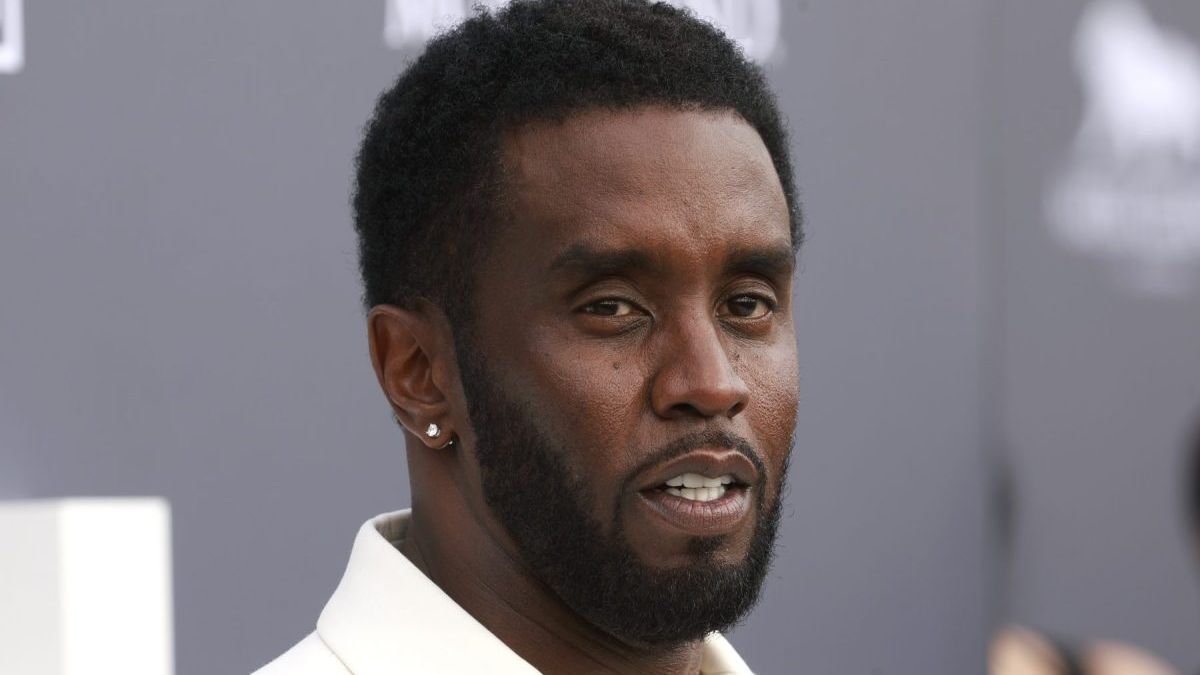
Aubrey O Day, a former Danity Kane singer, fired back at a recent NBC News probe into Sean Diddy Combs’ prison life on September 30. The clip she shared on X was a quick, pointed response: “Thank you, Chloe for doing this investigation. People should understand the difference between rehabilitation and a sh ty vacation. The system is broken this man will come back a worse criminal.” The post followed a series of videos that allegedly showed Diddy using a contraband cell phone, receiving massages, and enjoying Netflix in a low‑security unit at FCI Fort Dix, New Jersey.
The story begins in a reality‑show studio. Danity Kane formed on Sean Diddy Combs’ 2003 series Making the Band, a platform that turned a group of strangers into a pop‑rap sensation. Years later, Diddy himself faced the legal system after a conviction on two counts of transporting people across state lines for prostitution. In October 2025, he was sentenced to 50 months at FCI Fort Dix, a low‑security federal facility in New Jersey. The investigation that sparked O Day’s comment highlighted that the prison, far from being a place of strict discipline, appeared to host a “privileged existence” for the mogul: inmates cooking, cleaning, and even massaging him, while he allegedly watched Netflix and used a contraband cellphone.
NBC News, citing four men who had spent time in the same unit as Diddy, described a scene that felt more like a luxury retreat than a correctional environment. Inmates reportedly handled his laundry, prepared meals, and offered Chinese‑style massages. The report also revealed photos and videos supposedly showing Diddy using a cell phonea clear violation of federal prison rules. Additionally, sources claimed he had access to alcohol and other prohibited items while incarcerated. The investigation painted a picture of a man who, despite a sentence meant to deter criminal activity, seemed to be living a “sh ty vacation” inside a federal prison.
Aubrey O Day’s reaction is rooted in a personal history that traces back to the early 2000s. As a member of Danity Kane, she witnessed firsthand the rise and fall of a music empire built by Diddy. Her comment on X reflects a long‑standing frustration: the idea that the system is “broken” and that Diddy will return “a worse criminal.” She juxtaposes rehabilitation with a “vacation,” implying that the current state of federal corrections fails to serve its intended purpose of reforming offenders.
Diddy’s spokesperson dismissed the investigation, labeling the attention to his prison details as “excessive.” He emphasized that the only significant news is that Diddy remains in custody while awaiting the outcome of his appeal. A Bureau of Prisons spokesperson declined to comment on the specific conditions but acknowledged that contraband remains a persistent challenge in federal facilities. The contrasting responses from the artist’s camp and the correctional system underscore a broader debate about the effectiveness of federal prisons in delivering justice and rehabilitation.
The narrative of a music mogul living a “luxury” inside prison raises questions about equity and accountability in the U.S. Justice system. If a high‑profile individual can seemingly sidestep the harsh realities that many inmates face, what does that mean for the integrity of the system? The case also highlights the role of media investigations in bringing hidden truths to light, even if they spark controversy or defensive reactions from those involved.
Key facts:
- Sean Diddy Combs sentenced to 50 months at FCI Fort Dix in October 2025.
- Allegations include contraband cellphone use, access to alcohol, and a privileged living arrangement with inmates providing meals, massages, and Netflix.
- Aubrey O Day responded on X on September 30, criticizing the system and predicting a “worse criminal” return.
As the investigation unfolds, it forces a closer look at the balance between punishment and rehabilitation. Whether the system can truly reform individuals or merely provide them with an environment that mirrors their past success remains a question that will shape future reforms. The next chapter in this story will likely hinge on the outcome of Diddy’s appeal and any subsequent changes the Bureau of Prisons might implement to prevent similar discrepancies in the future.