Movies
Bayou crimes mostly go unpunished in the haunting HBO doc The Pet Cemetery Murders
The Pet Cemetery Murders follows the grim tale of Dorothy Lou Thompson, a solitary pet cemetery owner whose body was discovered chained in the Mississippi River in 1985.
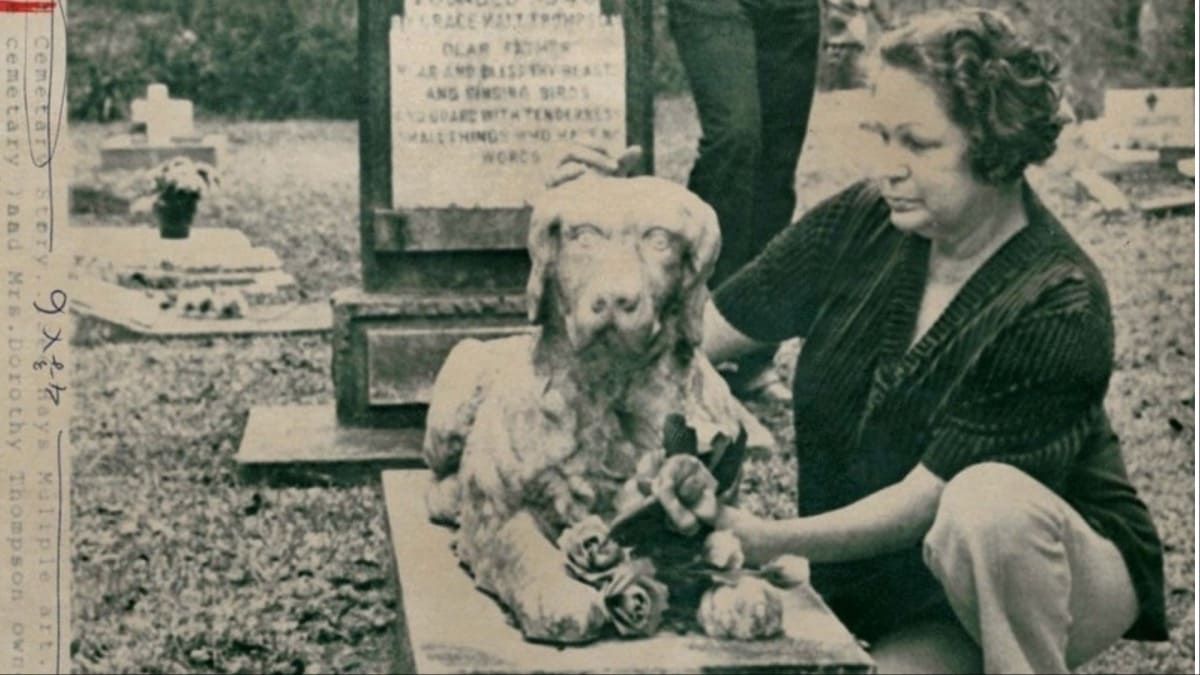
The Pet Cemetery Murders follows the grim tale of Dorothy Lou Thompson, a solitary pet cemetery owner whose body was discovered chained in the Mississippi River in 1985. Her death, shrouded in mystery, left a small Louisiana community clutching rumors of hidden money and a possible murder by someone close to her. For Thompson, the stakes were personal and brutal: a life of loneliness, addiction, and financial struggle culminated in a violent end that remains unresolved.
The series relies heavily on archival footage and local interviews to trace the police work that followed Thompson’s body’s discovery. Early leads were scant; the river had washed away most clues, and the rural setting offered few witnesses. The investigators faced a landscape of “water and muck,” a description that underscores the logistical challenges of probing crimes in bayou‑laden St. Bernard Parish. The lack of a clear suspect or motive left the case open, a fact the doc emphasizes to highlight the systemic gaps in rural justice.
Pet cemeteries in America are more than burial grounds; they are cultural touchstones that reflect community values and economic realities. In the 1978 film Gates of Heaven, Errol Morris explored this niche, revealing how pet cemeteries serve as quiet testimonies to the American Dream. By contrast, The Pet Cemetery Murders situates its narrative in a region where “there’s no resort towns or rich tourists,” only “centuries of malfeasance.” The setting amplifies the isolation of Thompson’s life and the difficulty of securing justice in a place where “the main waterways empty into the ocean via bayous and marshes.”
This case is not an isolated incident. Across the United States, rural crimesespecially those involving marginalized individualsoften go unsolved due to limited resources and geographic barriers. The series implicitly critiques this trend by showing how Thompson’s death, though dramatic, yielded minimal progress. It reflects a larger cultural movement where true‑crime documentaries are increasingly spotlighting systemic failures rather than merely sensationalizing crime.
Given the growing appetite for justice‑oriented storytelling, I anticipate that the unresolved nature of Thompson’s case will spur renewed investigative efforts. Digital platforms can amplify local voices, potentially uncovering new witnesses or evidence. However, without a dedicated legal push, the case may remain a haunting footnote in the annals of unsolved crimes. If the documentary’s reach expands, it could pressure local authorities to revisit the case, but the structural obstacles in St. Bernard Parish suggest that closure may still be a long way off.
The Pet Cemetery Murders reminds us that behind every headline lies a human story fraught with complexity. While the series may lack the stylistic audacity of Errol Morris’s work, its focus on Dorothy Lou Thompson’s life and death provides a sobering lens on how rural communities confrontand often fail to confrontcrime. The next season of true‑crime storytelling may yet bring the case back into the public eye, but until then, the river will continue to hold its secrets.