Movies
Black Market Is Going for a Guinness World Record in Nigeria: 5 Things to Know
The night of 26 September will be remembered not just for a blockbuster premiere but for a historic gathering of 50,000 film lovers in Lagos.
The night of 26 September will be remembered not just for a blockbuster premiere but for a historic gathering of 50,000 film lovers in Lagos. At the heart of this moment are the audiences who will fill Tafawa Balewa Square, turning a simple screening into a communal celebration of Nollywood’s growing influence. The stakes are clear: the film Black Market will attempt to eclipse the existing Guinness World Record of 43,000 attendees for a single‑location screening. For the creators, it is a bold statement that Nigerian cinema can mobilise mass audiences on a scale rivaling Hollywood’s biggest events.
The record‑breaking ambition is quantifiable. The current benchmark sits at 43,000 attendees, set by a previous Nigerian film event. Black Market aims to surpass this with 50,000 people, a 15% increase that demands meticulous logistics. The choice of Tafawa Balewa Squarea historic venue with a capacity of around 70,000offers the necessary space, but it also imposes a strict schedule to manage entry, safety, and projection quality. The production team, led by producer Nora Awolowo and director‑co‑writer Fatimah Binta Gimsay, will need to coordinate with city authorities, security firms, and local vendors to ensure the event runs smoothly. The sheer scale of the operation reflects a new era where Nigerian films are not only content creators but also event curators capable of orchestrating large‑scale public spectacles.
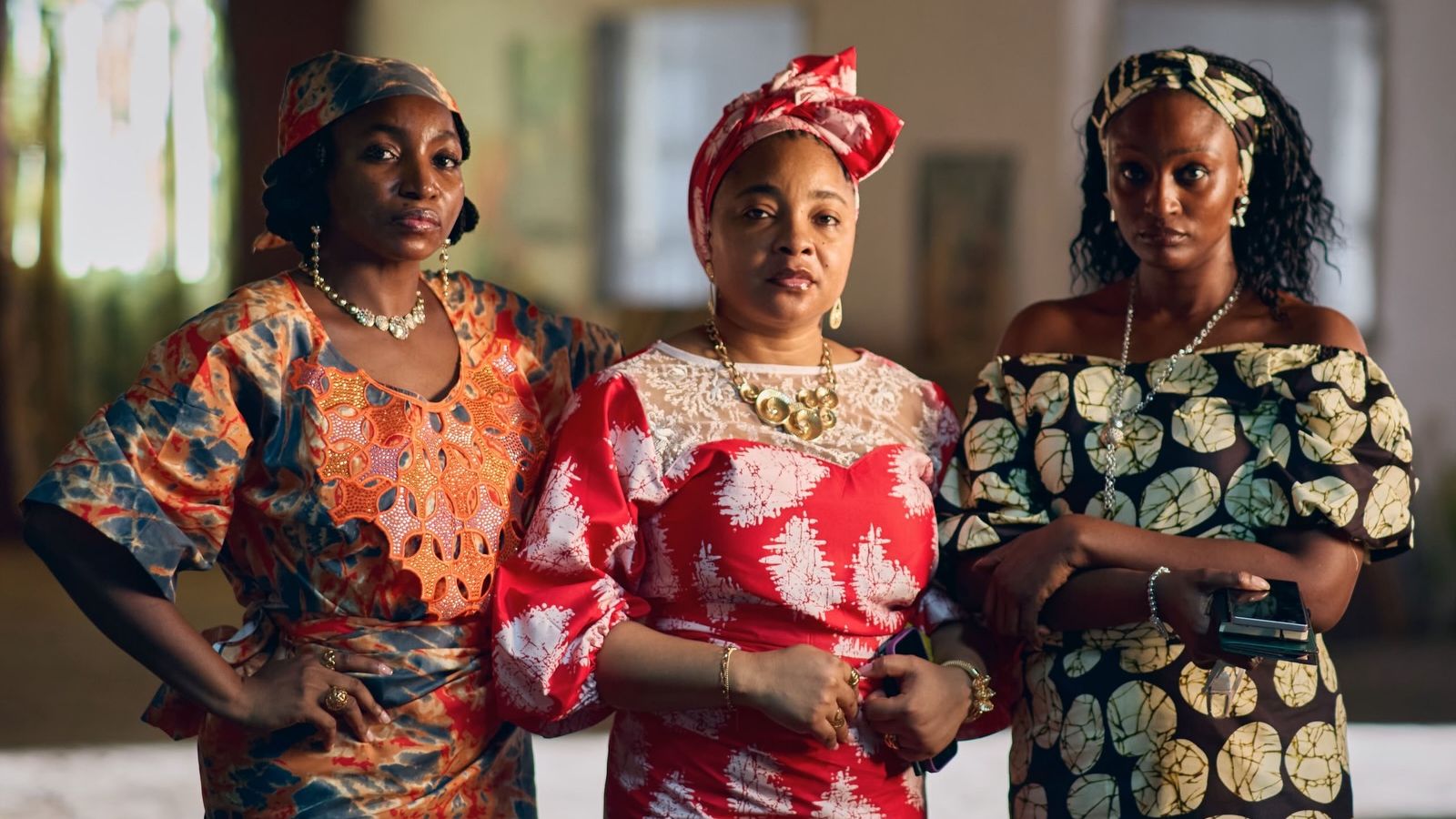
Black Market is set against a backdrop of fuel scarcity and economic pressure. The narrative follows five market women who build a cross‑border smuggling network to survive. When a rival kidnaps one of their daughters, the fragile empire teeters, forcing the women into a high‑stakes test of loyalty and survival. The film’s themes resonate deeply with Lagosians who have witnessed the everyday challenges of market economies and informal trade. By weaving these realities into a crime thriller, the filmmakers tap into a collective consciousness, offering audiences both entertainment and a mirror of their own struggles. This relevance is likely a key factor in attracting such a massive turnout.
The cast is a who’s‑who of Nollywood talent. Lateef Adedimeji and Linda Ejiofor‑Suleiman headline, bringing gravitas to their roles. Supporting performances come from Omowunmi Dada, Uzor Arukwe, Scarlet Gomez, Mike Afolarin, Taye Arimoro, Ibrahim Yekini (Itele D Icon), Teniola Aladese, Tomiwa Tegbe, Susan Pwajok, Andrew Yaw Bunting, Shamz Garuba, and Adeoluwa Akintoba. The sheer breadth of talent ensures that the film appeals to a wide demographic, from seasoned cinema lovers to younger audiences drawn by the star power. This strategy is not accidental; it reflects a broader industry trend where ensemble casts are used to maximise box‑office reach, especially in events that rely on community participation.
The attempt to break a Guinness World Record is more than a marketing stunt; it signals a cultural renaissance for Nollywood. Over the past decade, Nigerian cinema has shifted from niche, low‑budget productions to high‑profile, globally recognised films. The success of Red Circle in 2025, another project by the same team, demonstrates that Nigerian stories can achieve commercial viability. By turning a premiere into a mass gathering, the creators are asserting that Nigerian film culture can command large audiences in public spaces, not just in theatres. This aligns with a broader movement where African creators are re‑claiming narrative control, moving from diaspora‑centric distribution to home‑grown, community‑centric events. The record attempt, therefore, is a statement of confidence and an invitation for the world to witness the scale of Nigerian fandom.
Given the logistical challenges, I anticipate that the event will run close to the target of 50,000 attendees but may fall short by a few thousand due to unforeseen constraints such as weather or traffic. Nonetheless, even a modest shortfall would still set a new record, reinforcing Lagos’s status as a cultural hub. The success of this event could catalyse further large‑scale screenings across Nigeria, encouraging other filmmakers to adopt similar community‑first approaches.
The night of 26 September will be more than a premiere; it will be a landmark moment where Nigerian cinema, community spirit, and record‑breaking ambition collide. The outcome will shape how future Nollywood projects are marketed and celebrated, setting a new benchmark for audience engagement.