Movies
Bryan Cranston mourns on-screen son RJ Mitte after actor's shock death
Bryan Cranston, famed for his portrayal of a high‑school chemistry teacher turned drug kingpin, has publicly expressed his grief after the sudden death of his on‑screen son, RJ Mitte.
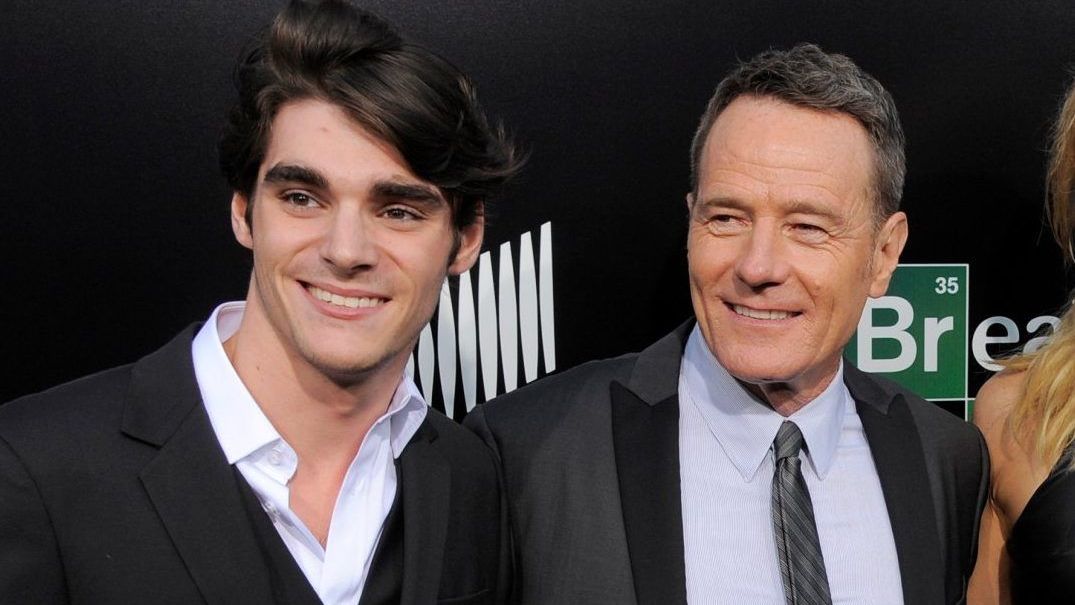
Bryan Cranston, famed for his portrayal of a high‑school chemistry teacher turned drug kingpin, has publicly expressed his grief after the sudden death of his on‑screen son, RJ Mitte. The 34‑year‑old actor, who played Walter White Jr. In Breaking Bad, died by suicide in Texas on Monday, October 12. The loss reverberates through the cast and crew who had grown close to him over the years, turning a professional relationship into a personal tragedy.
Cranston’s Instagram post was raw and personal. He described the last weeks of communication with Mitte, noting their attempts to meet up. The actor reflected on how Mitte, born with cerebral palsy, never let his condition dictate his ambitions. “He met the demanding shooting schedule head‑on with great determination,” Cranston wrote. The message underscores the depth of their connection: a mentor‑mentee dynamic that evolved into a familial bond, especially given the emotional weight of the Breaking Bad storyline.
The death of a 34‑year‑old actor by suicide is statistically alarming. In the United States, suicide rates among adults aged 2534 have risen by 30% over the past decade. Texas, where the incident occurred, has a suicide rate that sits above the national average. The fact that a public figure with a platform advocating for disability rights could succumb to such a tragedy highlights the pervasive mental health crisis that cuts across all demographics, including those who appear resilient.
The Breaking Bad cast has repeatedly spoken about the intensity of the show’s production schedule. Dean Norris, who played Hank Schrader, called Mitte a “kind of son” in his tribute. Aaron Paul, another co‑star, shared his own shock. These reactions reveal a broader pattern: long‑running, high‑stakes television series often demand relentless schedules, leaving little room for mental health support. The industry has begun to address this, but the loss of Mitte shows that more systemic change is needed, especially for actors who navigate additional challenges such as disabilities.
Mitte’s career was built on using his platform to champion disability rights. His advocacy was not a side note; it was integral to his public persona. The sudden end of his life raises questions about how advocacy groups and the entertainment industry can better support artists who are both public figures and activists. If the industry wants to honor his legacy, it must invest in comprehensive mental health resources tailored to the unique pressures faced by disabled performers.
Given the mounting scrutiny over mental health in Hollywood, it is likely that studios will adopt stricter wellness protocols in the near future. We can expect to see more robust counseling services, mandatory mental health days, and perhaps even industry‑wide guidelines that address the specific needs of actors with disabilities. If these reforms take root, the tragic loss of RJ Mitte may serve as a catalyst rather than a cautionary tale.
The death of RJ Mitte reminds us that the glitz of television can mask the fragility of human life. As the industry grapples with these realities, the hope is that his legacy will inspire concrete changes that protect the well‑being of all performers, regardless of age, ability, or fame.