News
Cate Blanchett (politely) asks theatergoers to put their damn phones away
When the lights dimmed in the National Theatre’s Lyttelton Theatre, the audience settled into the hush that follows a long‑running play.
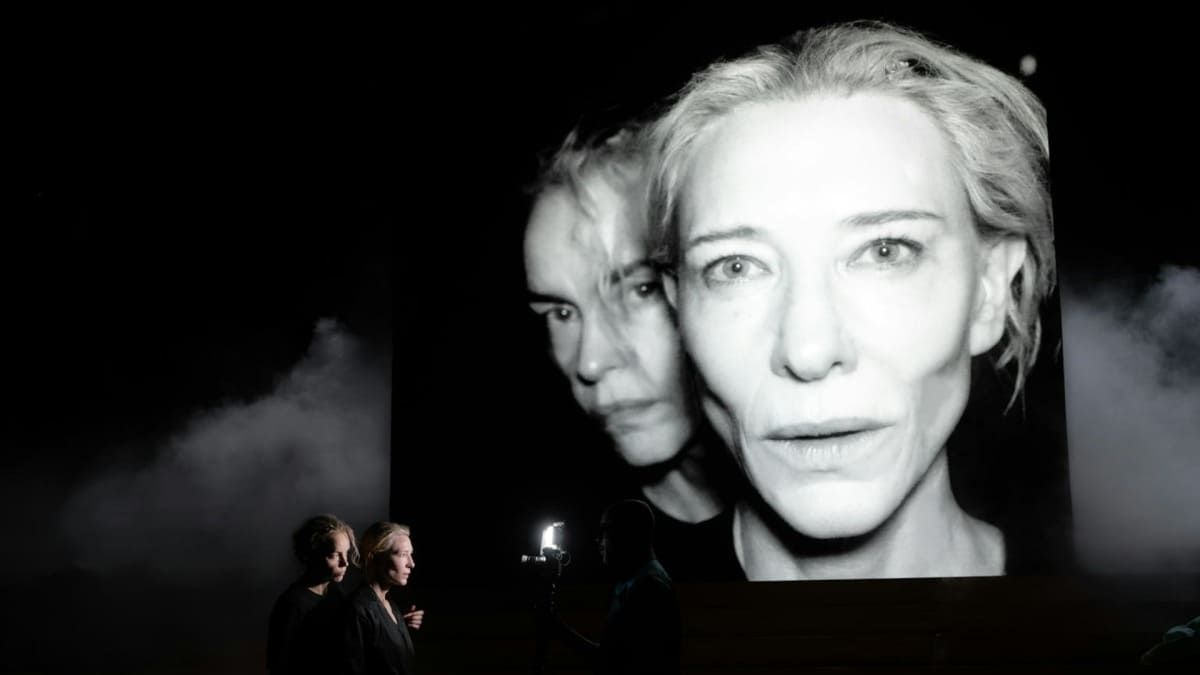
When the lights dimmed in the National Theatre’s Lyttelton Theatre, the audience settled into the hush that follows a long‑running play. Cate Blanchett stood at the edge of the stage, her gaze sweeping over the sea of faces before her. A few moments later, she stepped forward, her voice cutting through the quiet. “There are few places on this planet where we can simply be together and be present,” she said, her words echoing across the auditorium. The room held its breath as she addressed the growing number of phones that glowed like tiny beacons in the dark.
The play, Electra/Persona, blends Sophocles’ tragedy with Ingmar Bergman’s psychological drama. In a twist of theatrical fate, Blanchett swapped roles with co‑star Nina Hoss after a coin toss, a detail that added an extra layer of intrigue to the evening. Yet, amid the artistic exchange, a more mundane issue surfaced: audience members were recording the performance, their devices capturing every line, every gesture. The actress’s plea was clear: filming the show spoils the experience for the next group of theatregoers.
Blanchett’s frustration was not new. The term “OAs,” or “obnoxious assholes,” has long been used by theatre lovers to describe those who disrupt the communal atmosphere with their phones. In a world where smartphones are almost a cultural constant, the temptation to document every moment is strong. Yet the intimacy of live theatre relies on shared silence and collective attention. By asking the audience to put their phones away, Blanchett was defending that fragile bond.
The actress’s address was captured by an Instagram user, tinkerbella.1107, and the clip quickly spread across social media. The irony was not lost on many: a video of Blanchett’s admonition was itself a phone recording. Still, the message resonated. The clip sparked conversations about etiquette, the role of technology in cultural spaces, and the responsibilities of performers to their audiences.
The incident highlights a broader trend affecting theatres worldwide. As audiences increasingly bring personal devices into venues, the line between participation and disruption blurs. Performers, producers, and venue managers must navigate this terrain carefully. Some theatres have introduced “no‑phone” policies, while others offer designated recording areas. The balance between preserving the sanctity of the live experience and accommodating modern habits remains delicate.
From my perspective, the heart of the issue lies in respect. Theatre is a shared journey, and every member of the audience contributes to its rhythm. When a phone interrupts that rhythm, it not only disturbs the performer but also the fellow patrons who are there to be fully present. I believe that a gentle reminder, like Blanchett’s, can bridge the gap between technological convenience and communal reverence.
The final performance of Electra/Persona will close on October 10. Whether the audience will heed the call to silence their devices remains to be seen. What is certain, however, is that the conversation sparked by Blanchett’s stand will echo beyond the Lyttelton Theatre, prompting venues and audiences alike to rethink how we engage with live art in an age of constant connectivity.