Reality Tv
Celebrity Traitors star said producers were 'like human traffickers' after being denied phone call
Celebrity Traitors star slammed producers as “human traffickers” after a phone‑call ban, a scandal that turns a game of deceit into a real‑life drama of control and trust.

Celebrity Traitors star slammed producers as “human traffickers” after a phone‑call ban, a scandal that turns a game of deceit into a real‑life drama of control and trust.
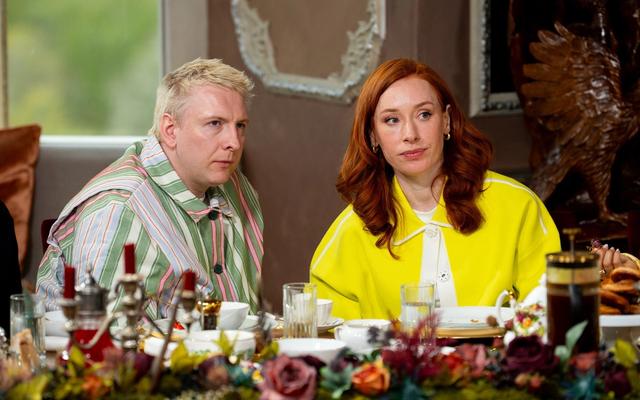
The drama began in the mist‑clad halls of Ardross Castle, where a line of high‑profile contestants, Richard E. Grant, Michael Sheen, Leigh‑Anne Pinnock, James Blunt, Maya Jama and Miranda Hart, were asked to live under strict rules. One unnamed participant, caught off‑guard by the prohibition on personal phone use, erupted in a public outburst, calling the production team “human traffickers.” The incident raises a hard question: when does a reality show cross the line from entertainment to exploitation?
The producers had made the phone policy crystal clear before filming began. Calls were only permitted under “the strictest of circumstances,” “at the discretion of producers,” and “with a producer present.” The unnamed star, apparently unaware of this detail, reacted with fury, unable to see why a simple call home was disallowed. The outburst left fellow contestants stunned, as the rule had been part of the contract everyone signed.
The policy is not arbitrary. In a game built on secrecy and psychological manipulation, any outside communication could compromise strategy and safety. Yet the comparison to human traffickers is not without precedent. Reality shows have long walked a thin line between controlled environments and coercive conditions. The backlash shows that the line is increasingly visible to the public.
Producers defend the rule as essential for preserving the game’s integrity. Without it, contestants could easily share information, undermining the very premise of Celebrity Traitors. They also point to a 24‑hour welfare team, including psychological support, to monitor players’ well‑being. That reassurance, however, feels like a bandage on a deeper wound. The comparison to traffickers suggests a perception of manipulation, not just oversight. In a setting where trust is the currency, denying a basic human rightcontact with familycan feel like an affront.
The show’s producers are not the only ones under scrutiny. The entertainment industry has been forced to reckon with its treatment of talent in recent years. From the MeToo movement to calls for fairer contracts, audiences now expect more transparency and respect. When a celebrity publicly calls a production “human traffickers,” it signals a broader shift: star power is no longer a shield against questionable practices.
If the public reaction to this incident is any indication, audiences are ready to hold production teams accountable. The phrase “human traffickers” is a powerful indictment. It implies a system that hoards power and keeps participants in a state of dependence. The backlash could force the show’s producers to re‑evaluate their policies. They might introduce clearer communication channels, or at least a more flexible approach to personal calls. Alternatively, the show could double down on its strictness, hoping the drama will boost ratings.
Predictably, this will have ripple effects across the genre. Producers of other reality formats may feel pressured to adjust their own policies to avoid similar backlash. In the next season of Celebrity Traitors, we may see a revised phone policy, perhaps allowing scheduled calls with a guardian or a designated “family liaison.” The industry could also see an uptick in third‑party oversight, with independent welfare teams monitoring conditions.
This incident is more than a contractual dispute; it is a moment where the industry’s ethical boundaries are tested. The public’s willingness to label a production team as “human traffickers” shows that the cultural conversation around reality TV is evolving. Audiences no longer accept opaque rules that silence participants. They demand transparency and respect for personal autonomy.
If the producers refuse to adapt, the show risks losing credibility. Ratings may dip as viewers choose other content that respects contestant welfare. Conversely, a swift and thoughtful response could restore trust and set a new standard for the genre.
In the end, the scandal underscores a simple truth: when entertainment is built on deception, the line between game and exploitation is perilously thin. Reality TV must navigate this terrain with care, or risk turning its own drama into a real‑world scandal.