Reality Tv
David Ellison Finally Calls Mike De Luca and Pam Abdy to Inform Them of Exit They Read About in the Press | Exclusive
On a quiet Friday morning, Mike De Luca and Pam Abdy sat in their shared office at Warner Bros.
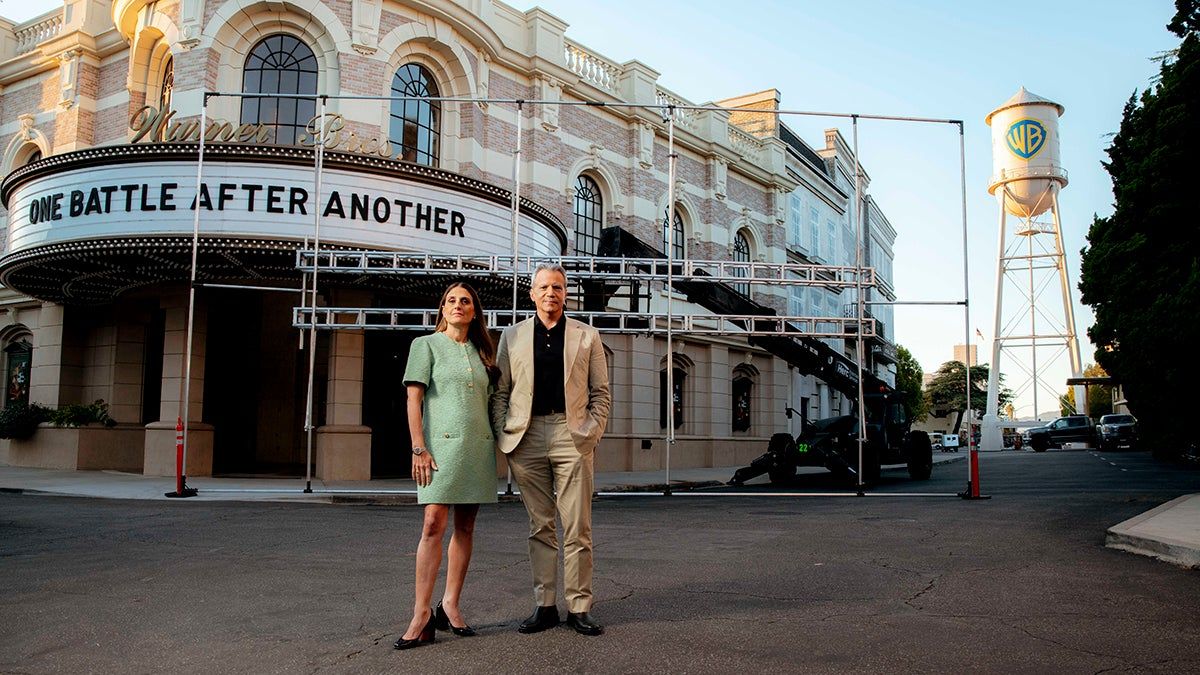
On a quiet Friday morning, Mike De Luca and Pam Abdy sat in their shared office at Warner Bros., phones silent, eyes flicking to the screen as they waited for a call that would change the course of their careers. The silence was broken by a single ring from the Skydance headquarters. The voice on the other end was that of David Ellison, CEO of Skydance, who confirmed what they had already seen in an anonymous report the night before: they would not be joining the newly merged Warner‑Paramount studio. The call was brief, terse, and carried the weight of an industry‑wide restructuring that would see their upcoming slatehalf a dozen films, including Batman 2 and Gremlins 3handed over to someone else.
The merger that birthed Warner‑Paramount had promised a fresh start for Hollywood’s biggest studio, but the reality was far more brutal. The combined entity is projected to carry around $80 billion in debt, a figure that left executives scrambling to find a path forward. Ellison’s explanation was stark: the debt load required a restructuring that could not accommodate the existing leadership. No production deal was offered, and the film slates would be managed by the presidents of production, Jesse Ehrman and Mike Ireland, for the time being. Meanwhile, Josh Greenstein and Dana Goldberg were named co‑chairs of Paramount Pictures, set to steer the merged studio.
Under De Luca and Abdy’s stewardship, Warner Bros. Had a banner year in 2025. Two films earned Best Picture nominations at the Academy Awards, and One Battle After Another clinched the top prize. Michael B. Jordan’s performance in Sinners earned him Best Actor, while the studio’s box‑office haul topped the charts. Their departure, therefore, feels like a loss not just for the company but for the creative momentum that had been building.
When Ellison called, the executives’ reactions were immediate and raw. Abdy’s voice carried bitterness as she replied, “Good luck to you. I left you 39 movies.” De Luca, though less vocal, was visibly upset, a sentiment echoed by insiders who described the exit as “inelegant” and “unfair.” The public nature of the announcementfirst through an anonymous report and then via a phone callleft both men dangling in a media cycle that had already been buzzing with speculation.
The merged studio’s slate is still packed with high‑profile projects: The Lord of the Rings: The Hunt for Gollum, The Batman Part II, Gremlins 3, and an unexpected A Minecraft Movie Squared. These titles will now fall under the purview of the new leadership, who must navigate the delicate balance between creative ambition and financial prudence. The industry watches closely, knowing that the decisions made today will shape the cinematic landscape for years to come.
I find myself reflecting on how swiftly fortunes can turn in Hollywood. One moment, executives are lauded for steering a studio to critical and commercial success; the next, they are told their services are no longer needed. It underscores the precarious nature of creative leadership debt and mergers can eclipse artistic achievement.
As the new leadership takes the helm, the question remains: will the legacy of De Luca and Abdy’s bold choices echo in the films that follow, or will the merger’s financial imperatives redefine the studio’s identity? The answer will unfold in the coming months, as the newly merged Warner‑Paramount navigates a crowded market and a debt‑laden future.