Movies
Does 'The Social Reckoning' Bomb Spell Trouble for 'Artificial,' 'Musk' at the Box Office?
Aaron Sorkin’s The Social Reckoning opened to a quiet $5.5 million at the U.S. Box office, a stark contrast to the $22 million debut of his earlier collaboration, The Social Network.
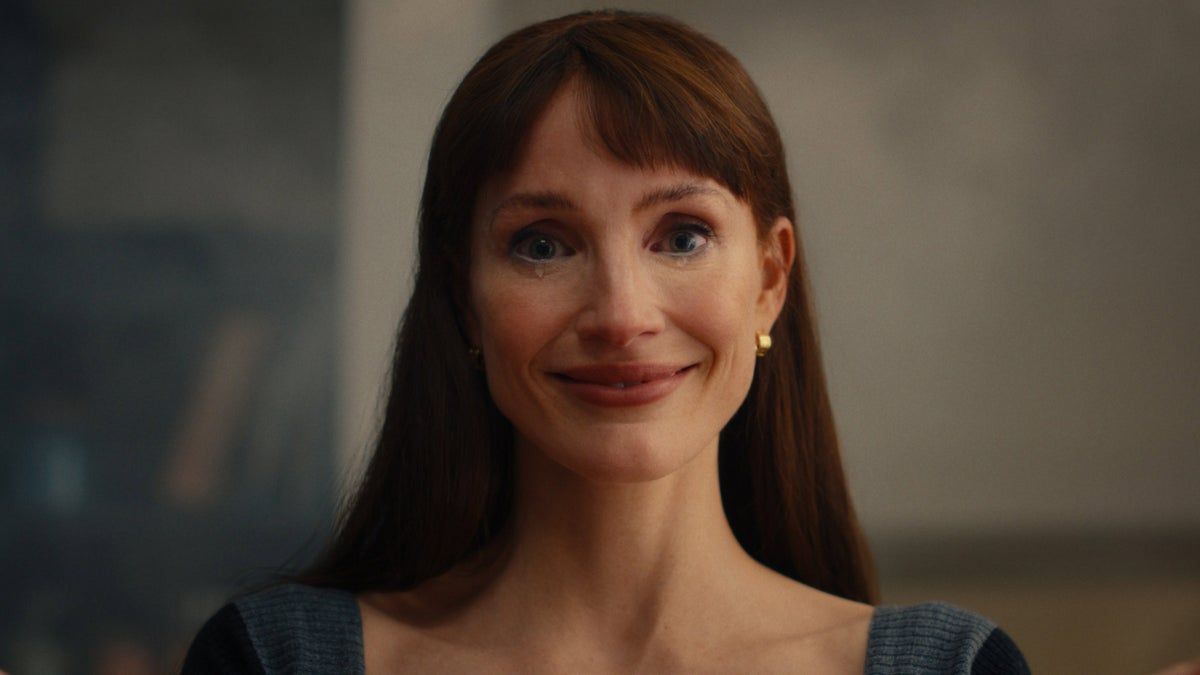
Aaron Sorkin’s The Social Reckoning opened to a quiet $5.5 million at the U.S. Box office, a stark contrast to the $22 million debut of his earlier collaboration, The Social Network. The new film, a thriller centered on a Wall Street Journal reporter uncovering the darker side of Meta’s algorithms, earned a 55 % score on Rotten Tomatoes and a B‑ rating from CinemaScore audiences. The numbers and reviews suggest a broader shift: viewers are turning away from movies that confront the very issues shaping their daily lives.
When The Social Network premiered, it was hailed as a defining film of the 21st century, winning Oscars for Best Adapted Screenplay, Best Film Editing, and Best Score. Its marketing framed it as a high‑stakes, dark‑edged origin story of college students who reshaped the world. The Social Reckoning, meanwhile, was pitched as an All the President’s Men‑style exposé, positioning itself as a cautionary tale about the societal harm of Facebook. The change in narrative framing may have been a factor in the audience’s lukewarm reception; the modern viewer seems less inclined to flock to theaters for a film that directly critiques the technology that dominates their lives.
David Fincher, the director who brought The Social Network to life, opted not to helm the new film. Sorkin admitted he had been his own second choice to direct, a decision that left the project in the hands of a different creative mind. The absence of Fincher’s signature visual style may have contributed to the perception that the film “doesn’t hold a candle” to its predecessor. Casting shifts were also notable. Jesse Eisenberg, who played Zuckerberg in the original, declined to reprise his role, leading to Jeremy Strong’s portrayal of the tech mogul as a “dark and joyless villain.” Strong’s performance, while powerful, could not compensate for the loss of Eisenberg’s nuanced depiction, which had become iconic among fans.
Sorkin is one of the most celebrated writers of modern cinema, with credits spanning The West Wing, A Few Good Men, and The American President. Yet his ventures into directing have yielded mixed results. Molly’s Game (2017) earned just $59 million worldwide, and his subsequent projects, The Trial of the Chicago 7 and Being the Ricardos, found their homes on streaming platforms rather than the big screen. The Social Reckoning’s modest opening aligns with this pattern, suggesting that even a name as formidable as Sorkin’s cannot guarantee box‑office success when the material diverges from his established strengths.
Sony’s budget for the film, a modest $30 million, indicates that the studio does not expect a blockbuster return. Instead, the film is positioned to thrive on PVOD and streaming, where it is likely to gain a “nice bump” when it arrives on Netflix. This strategy reflects a broader industry trend: issue‑based dramas that tackle contemporary controversies are increasingly finding their audience through digital platforms rather than traditional theaters. The film’s performance may serve as a bellwether for other socially conscious projects on the horizon, including those helmed by filmmakers like Alex Gibney.
Watching the opening weekend numbers unfold felt like peering into a mirror held up to the current state of cinema. The audience’s hesitance to engage with a film that critiques the very tools they use daily speaks to a growing fatigue with overtly didactic storytelling. Perhaps viewers prefer narratives that offer escapism or subtle commentary rather than a hard‑edge exposé.
While The Social Reckoning may not have achieved the cinematic heights of The Social Network, its journey underscores a shifting landscape where content creators must navigate not only storytelling but also the evolving preferences of an audience that is increasingly skeptical of direct social criticism. Sony’s confidence that the film will find a second life on streaming suggests that the industry is adapting, recognizing that the true measure of impact may come long after the first theatrical screenings.