Reality Tv
Fans react to the biggest Emmy snubs, including 'The Pitt' and 'A Knight Of The Seven Kingdoms'
The Emmy snubs have left fans and pundits alike scrambling for explanations.
The Emmy snubs have left fans and pundits alike scrambling for explanations. When the 2026 ceremony wrapped at Los Angeles’ Peacock Theater, Widow’s Bay took home 14 trophies, including Outstanding Comedy Series, yet the night was punctuated by a handful of high‑profile misses that sparked outrage. The most glaring omission was the entire female ensemble of The Pitt, which had four of its seven nominees for Outstanding Supporting Actress in a Drama Seriesall of whom were defeated by Alison Janney for The Diplomat. The show’s male lead, Noah Wyle, did win in the leading actor category, but the supporting cast felt the loss was a collective injustice.
The snub raises a perennial debate about nomination strategy. With four actresses from a single series vying for the same category, the risk of diluting support is real. Fans of The Pitt argued that the sheer volume of nominees split the audience’s votes, allowing The Diplomat to edge ahead. Social media echoed this sentiment, with users like @percyBonk and @lupmoony voicing frustration over the lack of a nomination cap per show. This phenomenon is not new; similar patterns have emerged in previous awards, where a single show’s dominance in a category can inadvertently sabotage its own chances.
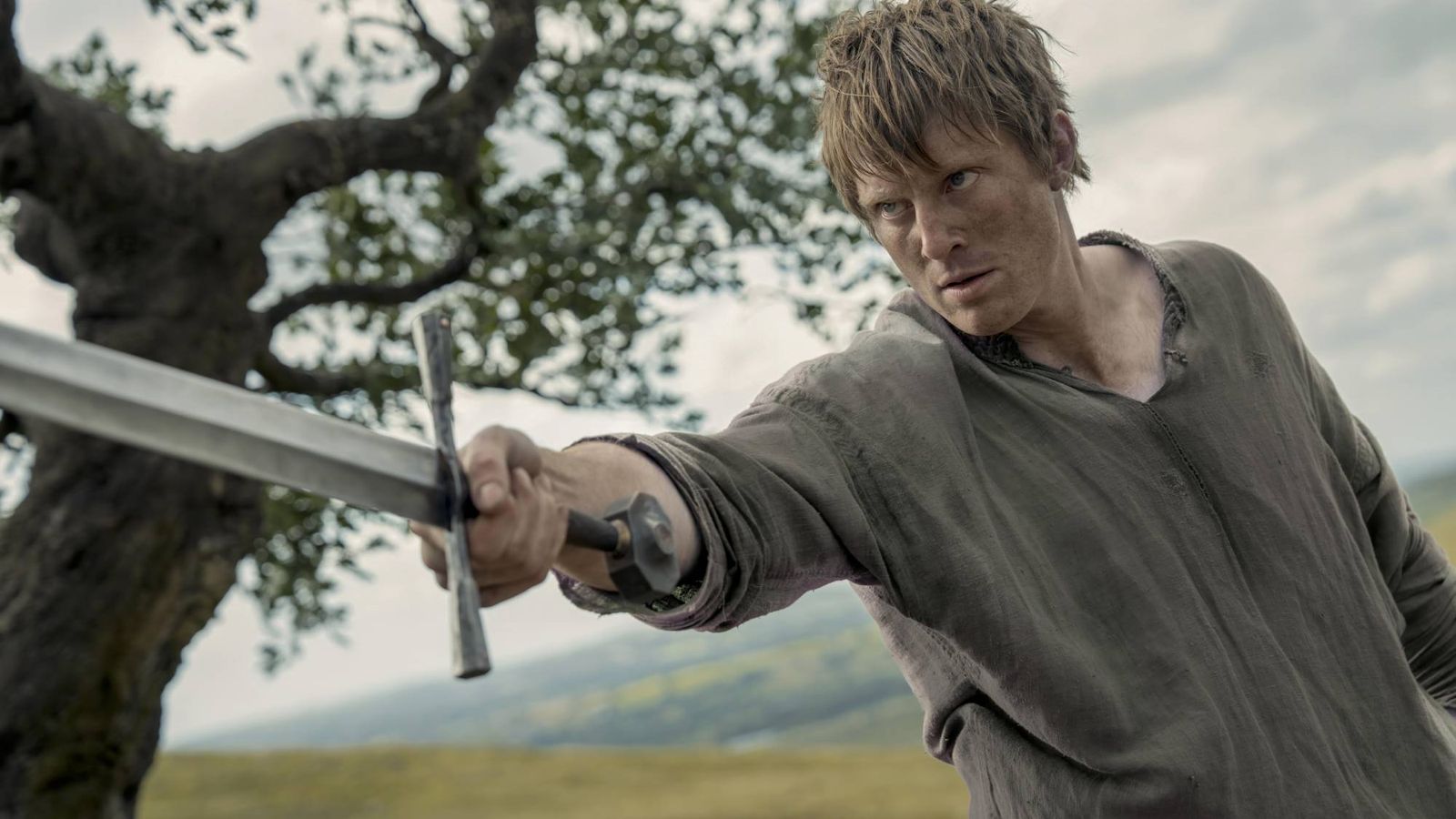
While The Pitt’s ensemble faced a collective loss, the Game of Thrones spin‑off A Knight of the Seven Kingdoms suffered a different fate. With eight nominations but only a single winOutstanding Stunt Performancefans felt the series was under‑recognized. Tweets from @Heisenberg459 and @kaiyashunyata lamented the disparity, suggesting that the show’s narrative depth and production quality warranted more accolades. This pattern mirrors a broader trend where genre‑heavy series often struggle to secure recognition beyond technical categories.
The ceremony’s In Memoriam segment, featuring a musical performance by Noah Kahan, also drew criticism. Viewers noted the omission of several notable figures who passed away in the preceding year, including Chuck Norris, Nicholas Brendon of Buffy the Vampire Slayer, and Peter Cullen, the voice of Optimus Prime. Fans expressed disappointment on platforms like Twitter, with users such as @EquesTr0n and @calvinbrain97 highlighting the oversight. While Catherine O’Hara received acknowledgment for Home Alone, the broader conversation underscores the importance of comprehensive remembrance in award shows.
These snubs reflect a larger movement within the entertainment industry toward more equitable recognition. As audiences demand transparency and fairness, award bodies are pressured to reassess nomination practices and remembrance protocols. The backlash against The Pitt’s nomination strategy and the perceived under‑representation of A Knight of the Seven Kingdoms suggest that the Emmys may need to implement clearer guidelines on nomination limits and category allocations. Moreover, the In Memoriam controversy points to a growing expectation that award shows honor a wider spectrum of contributors, not just high‑profile names.
In my view, the Emmys’ handling of these snubs will force a recalibration of their nomination and remembrance policies. If the Academy fails to address vote‑splitting and inclusivity, it risks alienating both creators and audiences. I predict that, in the next cycle, we will see a more structured approach to nominationsperhaps limiting the number of nominees per show in a categoryand a broader, more inclusive In Memoriam segment that reflects the diversity of the industry’s talent pool.
Looking ahead, the 2027 Emmy nominations will likely be scrutinized more closely for fairness. Creators will lobby for clearer rules, while fans will continue to hold the ceremony accountable. The outcome of these discussions could redefine how awards celebrate excellence, ensuring that no deserving performance or contribution is overlooked.