Movies
'Harry Potter' TV show will be "more satisfying" than movies, says Gary Oldman
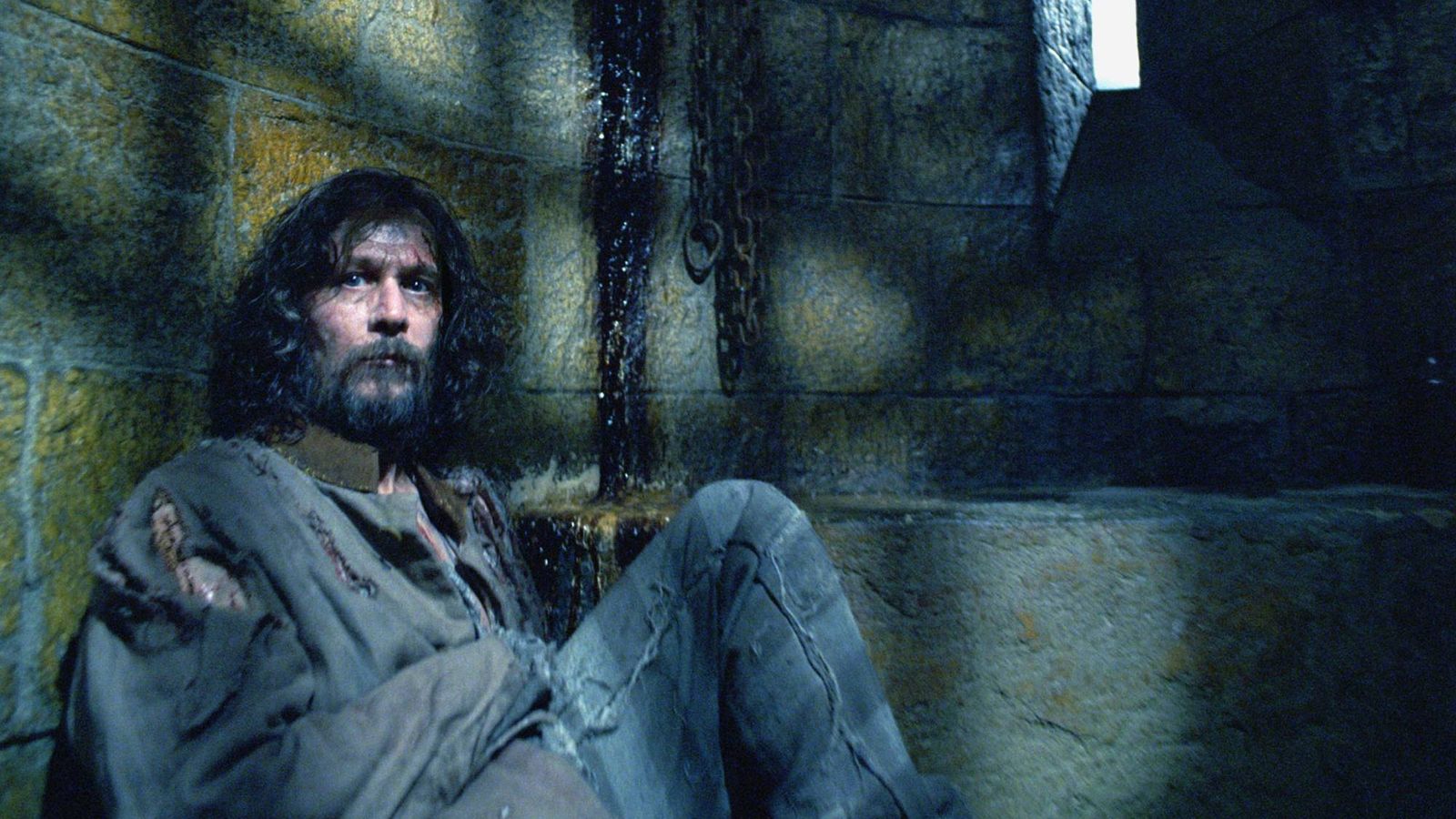
Gary Oldman, the Oscar‑winning actor who breathed life into Sirius Black, has just declared that the upcoming Harry Potter television series will deliver a more satisfying experience than the beloved films. The actor, whose career spans more than three decades, speaks from the inside of a franchise that has become a cultural touchstone for a generation. In a conversation with Entertainment Weekly, Oldman reflected on the compromises forced by the cinematic format and praised the new HBO reboot for its promise to stay truer to J.K. Rowling’s original text. The stakes for Oldman are personal and professional: he is not only revisiting a role that shaped his career but also endorsing a new medium that could redefine how the wizarding world is consumed.
Oldman’s key argument hinges on the sheer length of a television series versus a feature film. He recalled how the 2000s movies had to trim the narrative down to a three‑hour window, sacrificing character depth and plot nuance. “We had to cut a lot,” he said, “and still we could only get the films down to, like, three hours.” The HBO series, he notes, will have the luxury to unfold the story “pretty much word‑for‑word.” For a fan of the books, this suggests a richer, more layered experience where minor scenes and subplots receive the attention they deserve. From a production standpoint, the extended format allows writers to explore the emotional arcs of characters such as Severus Snape or Gilderoy Lockhart in greater detail, potentially attracting a new audience that craves depth over spectacle.
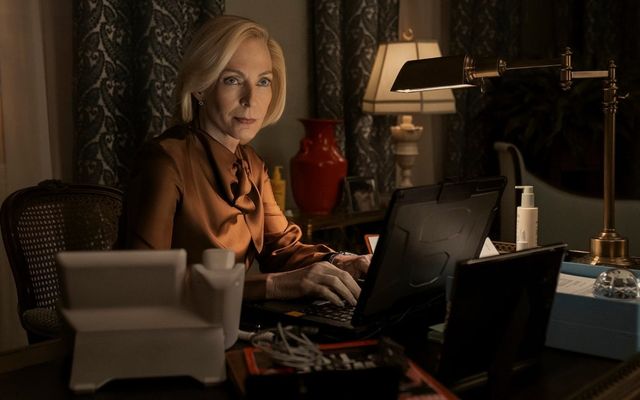
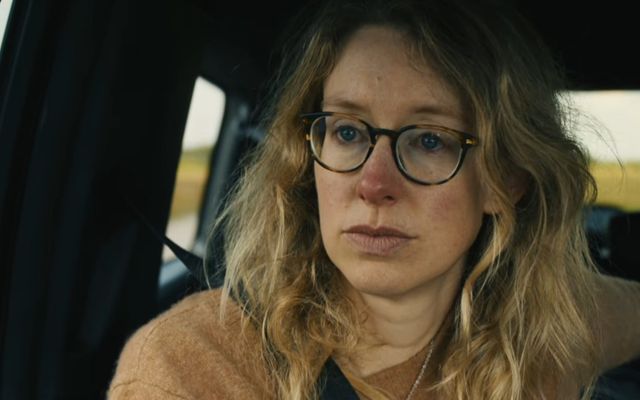
The series is not just a longer format; it is also undergoing notable casting changes. Kit Harington has been confirmed to replace Nicholas Hoult as Gilderoy Lockhart in season two. Hoult’s departure stemmed from scheduling conflicts and was compounded by public backlash over his acceptance of the role amid J.K. Rowling’s controversial statements on gender and the trans community. The controversy has spilled into the cast’s own statements: Bel Powley, who portrays Petunia Dursley, openly disagrees with Rowling, emphasizing the need for trans safety and dignity. John Lithgow, the actor behind Albus Dumbledore, has even considered leaving the project, labeling Rowling’s views as “ironic and inexplicable.” Nick Frost, playing Rubeus Hagrid, and Paapa Essiedu, who plays Severus Snape, have publicly distanced themselves from the author’s stance, with Essiedu signing an open letter demanding the UK entertainment industry protect trans rights. These developments highlight a broader cultural clash between the legacy of a literary phenomenon and contemporary social values.
The conversation about authenticity extends beyond casting. Oldman’s praise for the series reflects a growing appetite among fans for fidelity to source material. The original books, with their intricate world‑building and complex characters, have long been considered the gold standard. The films, while commercially successful, were inevitably constrained by time and budget. A television adaptation that can stay true to Rowling’s prose offers a chance to satisfy long‑time readers who feel the movies glossed over important details. Moreover, the series’ debut in December positions it strategically at the holiday season, a period when audiences are more inclined to binge‑watch and engage with serialized storytelling.
The move from film to television for a franchise of this magnitude signals a broader industry trend. Serialized fantasy has proven its viability with shows like Game of Thrones and The Witcher, both of which expanded narratives beyond their original books. HBO’s investment in the Harry Potter series suggests confidence that audiences will embrace a more expansive format. This shift also reflects changing consumption habits: streaming platforms now dominate viewership, and audiences expect longer, more immersive stories. The series could set a precedent for other beloved book franchises to explore television adaptations, potentially reshaping how intellectual property is monetized in the digital age.
Given Oldman’s endorsement and the series’ commitment to textual fidelity, it is reasonable to predict that the Harry Potter show will attract both die‑hard fans and new viewers alike. The combination of seasoned actors, thoughtful casting changes, and a platform that allows for narrative depth positions the series to outperform the films in terms of audience engagement. I anticipate that, within the first few weeks of release, viewership metrics will surpass those of the original movies on streaming platforms, cementing the show’s place as a cultural milestone.
The upcoming Harry Potter television series is poised to redefine how the wizarding world is experienced, offering a richer, more authentic narrative that bridges the gap between the books and the screens. With the support of actors like Oldman and the strategic move to a serialized format, the series stands ready to captivate a new generation while honoring the legacy that has enchanted millions.