News
Hideo Kojima says 'Whalefall' ruined "eating squid" for him
Hideo Kojima’s latest tweet about Whalefall landed in a quiet corner of Twitter, but it carried a weight that rippled through the gaming and film communities.
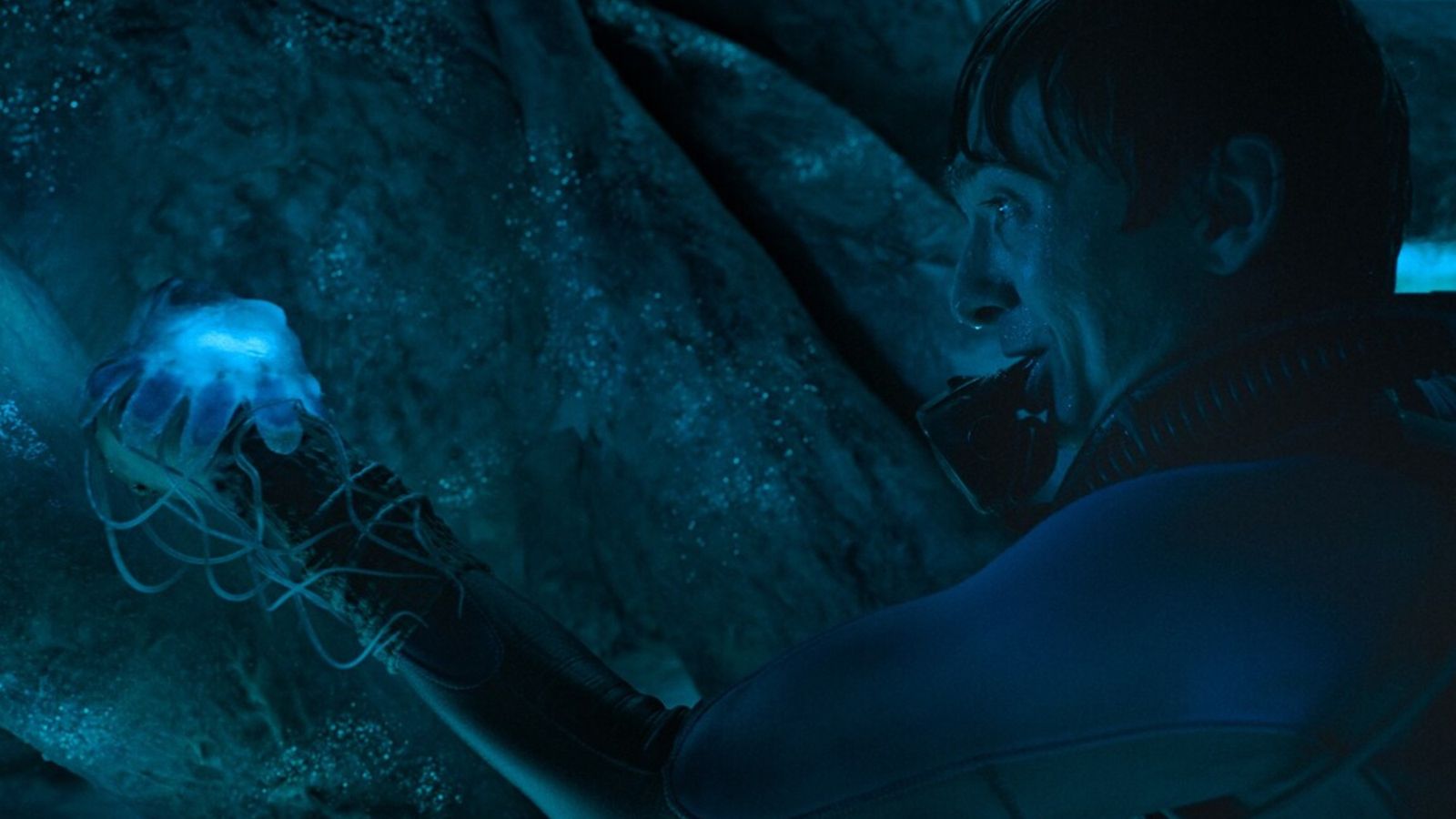
Hideo Kojima’s latest tweet about Whalefall landed in a quiet corner of Twitter, but it carried a weight that rippled through the gaming and film communities. On October 18, 2026, the famed designer posted a short review that, in his own words, “ruined eating squid for a while.” The image of a giant sperm whale swallowing a diver, and the ensuing metaphorical depth, struck a chord that made a seasoned game‑maker pause over his own culinary choices.
Whalefall follows Jay Gardiner, played by Austin Abrams, as he searches for his father, a character portrayed by Josh Brolin, in the dark depths of the ocean. The narrative builds on a tense hour of survival when a diver is swallowed by an 80‑foot, 60‑tonne sperm whale. Director and writer Brian Duffield spent hours studying graphic videos of beached sperm whales to ensure the film’s realism. The result is a “literary film” that intertwines a Steinbeck‑like bond between whales and humans with a father‑son relationship, all wrapped in striking visual effects.
Kojima’s fascination with whales dates back to his elementary school days, when he researched whale ecology for a school project. He recalls how the sheer size of these mammals and their symbolic role in marine ecosystems captivated him. This reverence for whales is evident across his work: in Metal Gear Solid 2, the protagonist Raiden is swallowed, digested, and excreted by the enormous Arsenal Geara whale‑shaped machine that consumes digital information. Whales also feature in Metal Gear Solid 5 and Death Stranding, and Kojima’s references to Herman Melville’s Moby Dick underscore a long‑standing literary thread.
When Kojima watched Whalefall, he was struck by the film’s metaphorical layers. He wrote that the movie “explored, in a somewhat metafictional way, the Steinbeck‑like relationship between whales and humans as part of an ecosystem, alongside the familial bond between father and son.” The visual effects were “outstanding,” but the emotional impact was so profound that he added, “I don’t think I’ll be eating squid for a while.” The comment, though brief, hinted at a deeper discomfort: the film’s portrayal of a whale’s immense power and the human vulnerability beneath its surface left a lasting impression that made the simple act of eating squid feel oddly dissonant.
Kojima’s tweet also highlighted his broader engagement with cinema. He praised Resident Evil, a film by Austin Abrams, calling it “a film about the experience of playing Resident Evil controller in hand.” He noted the film’s relentless horror techniques and music reminiscent of The Thing, showing how his eye for atmospheric tension extends beyond interactive media. Meanwhile, he remains involved in the movie adaptation of Death Stranding, signaling that his creative curiosity spans both screens and stages.
As a writer who thrives on the intersection of narrative and culture, I find Kojima’s admission both candid and instructive. It reminds us that art can influence even the most mundane habitslike choosing what to eatwhen it resonates on an emotional level. The idea that a film about whales could alter a designer’s relationship with squid is evidence of the power of storytelling to shape everyday life.
Kojima’s next game project, OD, will see him team up with an undisclosed collaborator, suggesting that his creative journey is far from over. Whether he will return to his love of seafood remains to be seen, but the moment he paused to reflect on Whalefall offers a glimpse into how deeply a single piece of cinema can affect a creator’s worldview. The ripple of that pause will likely influence not only his future projects but also the broader conversation about how film and game narratives intersect with personal experience.