News
Mercury Prize 2026: here are the bookies' odds for who will win
The Mercury Prize is not just a glittering trophy; it’s a lifeline for the artists whose voices have been drowned in the noise of streaming algorithms.
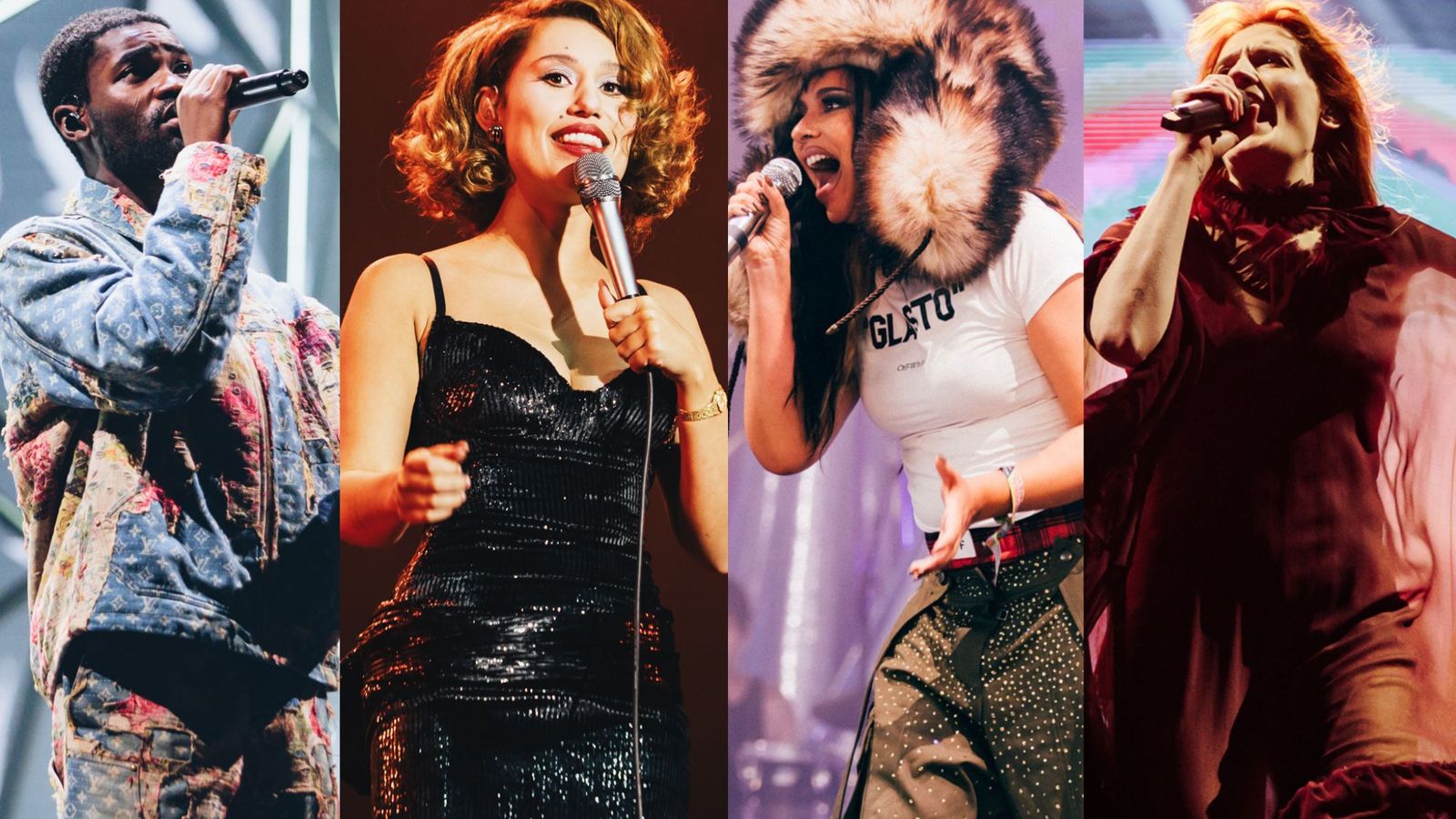
The Mercury Prize is not just a glittering trophy; it’s a lifeline for the artists whose voices have been drowned in the noise of streaming algorithms. On Thursday, Olivia Dean will walk the stage in Newcastle, clutching a chance to lift a £25,000 check that could fund her next project or keep her studio afloat. For her, the prize is more than prestige; it’s a statement that her album The Art Of Loving deserves the spotlight it has been denied by the mainstream charts.
The bookmakers have pinned Olivia Dean at 3/1, the sharpest line on the market. That number speaks louder than any headline because it reflects the collective belief that her work has finally broken through the noise. Yet the odds also whisper that the race is far from over. The market is still fluid, and a single live performance can tilt the scales. If Dean delivers a set that turns heads, the odds will collapse; if she falters, the bookmakers will reprice in a heartbeat.
Nia Archives sits at 4/1, just a fraction behind Dean, while Raye at 9/2 shows the bookmakers are willing to bet on a pop‑soul hybrid who has already cracked the mainstream. Both artists bring different strengths: Archives with her raw, emotionally charged Emotional Junglist, and Raye with the hopeful optimism of This Music May Contain Hope. The fact that they are both in the mix challenges the narrative that only indie‑folk acts can win. It signals that the Mercury Prize is widening its gaze, acknowledging that commercial success and critical acclaim can coexist.
Beyond the album competition, the ceremony will feature short films for Dave and Paul McCartney. This moveadding visual storytelling to the eventhighlights the evolving nature of the prize. It is no longer just about the music; it’s about the entire artistic ecosystem. The inclusion of live performances from ten of the twelve shortlisted acts also underscores the importance of stage presence. A single live moment can rewrite the bookmakers’ odds, as seen in past years when an unexpected performance turned a dark horse into the champion.
This year marks the second consecutive Mercury Prize in Newcastle, a city that has become a symbolic counterpoint to London’s cultural dominance. The move was first made in 2025 when hometown star Sam Fender won and donated his £25,000 prize to the Music Venue Trust. That act highlighted the financial strain on grassroots venues and set a precedent for the prize’s role as a platform for social impact. Newcastle’s selection signals a deliberate shift: the Mercury is no longer a London‑centric event but a national celebration of diverse talent.
Given the bookmakers’ current lines and the unpredictable nature of live shows, I predict that Nia Archives will edge out the competition. Her album’s visceral authenticity aligns with the Mercury’s history of rewarding daring, boundary‑pushing work. If her performance resonates, the odds will shift dramatically, and the prize will once again become a catalyst for change in the industry.
The night will not just decide a winner; it will reshape how we value music that speaks to real human experiences. The prize money will fund future projects, the short films will broaden the narrative scope, and the city of Newcastle will cement its place as a cultural hub. The Mercury Prize is a reminder that the most powerful stories are often the ones that refuse to be commodified.