Reality Tv
Ira Glass: Podcasts go deeper, and so do the ads
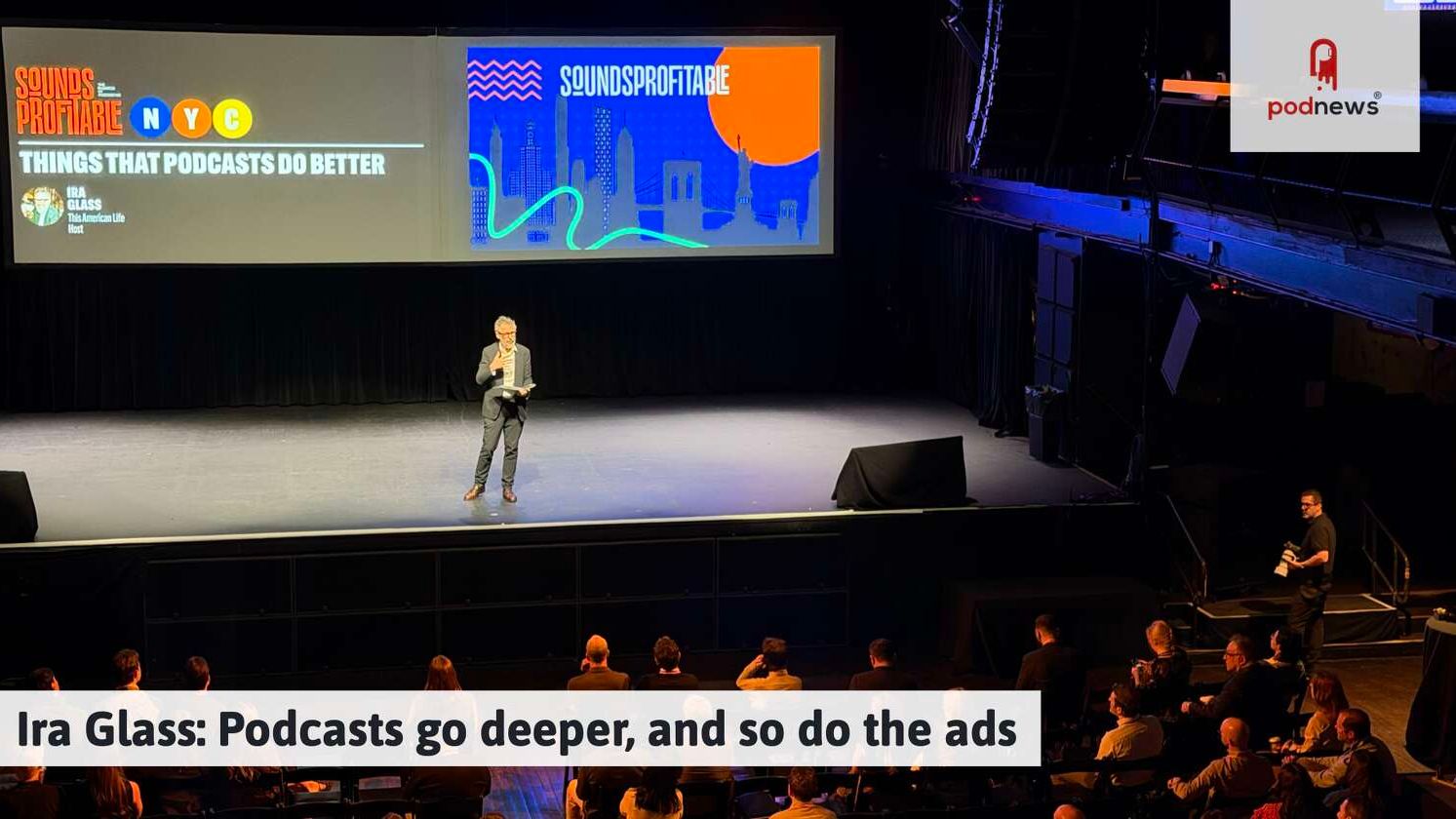
Ira Glass, the voice that made This American Life a cultural staple, stepped into New York’s Sounds Profitable Business Summit and delivered a blunt truth: podcasts drill deeper into the human psyche than the glossy reels that dominate social media. For listeners who crave stories that linger long after the episode ends, this depth translates into loyalty that advertisers can’t ignore. And for brands, the implication is simpleif you want your message to stick, you need a medium that already has your audience’s trust.
Glass’s observation isn’t hyperbole. Podcasts allow creators to explore a narrative arc over hours, weaving context, nuance, and emotion. Instagram stories or TikTok videos, by contrast, cram meaning into seconds. When a listener is invested in a character’s journey, a brand’s message placed within that narrative feels like a natural extension, not a jarring interruption. This psychological embedding is why the ads “work harder,” as Glass put it. Advertisers are not just selling a product; they’re selling a moment that fits into a larger story.
The summit also highlighted a concrete shift: Airwave securing a seven‑figure exclusive partnership with TYT. By expanding its in‑house sales operation, Airwave is positioning itself to capture premium advertising across podcasts, digital video, and live programming. The move signals that the industry is no longer a fledgling playground; it’s becoming a structured marketplace where brands can negotiate long‑term, high‑visibility placements. For creators, this means more predictable revenue streams and potentially higher production values as sponsors invest in quality content.
Not all was smooth. Greg Glenday of Acast warned that the Spotify skip button is driving creators to pull their shows off the platform. The ability for listeners to skip ads at any point erodes the ad’s value proposition, especially when the content itself is so deeply engaging that skipping feels like missing out on the story. Krystina Rubino from Right Side Up echoed this sentiment, pointing out that digital display advertising has already faced a reckoning due to viewability metrics and ad‑blockers. If an ad isn’t seen, it’s uselesssimilarly, if a podcast ad is skipped, the brand loses its chance to connect.
Everyone’s celebrating the rise of podcast advertising, but the reality is that the medium’s success hinges on the very depth that Glass championed. Brands that treat podcasts like another billboard risk losing credibility. The industry must embrace the intimacy of storytelling, not just the reach. This means developing ad formats that integrate seamlessly, perhaps through native sponsorships or narrative product placements that feel like part of the episode rather than a separate commercial.
Within the next 18 months, I foresee a surge in “story‑driven” ad formatsshort, narrative hooks that play at the beginning or middle of episodes, designed to complement the content rather than interrupt it. Brands will invest in data that measures not just click‑through rates but listener sentiment, ensuring that the message resonates with the audience’s emotional journey.
Podcast advertising is not a fad; it’s a maturation of a medium that already knows how to keep listeners engaged. For creators, the challenge is to keep that depth intact while monetizing. For brands, the task is to learn that the best ads are those that feel like part of the story, not a side‑track. The future of advertising will belong to those who respect the power of a well‑told narrative.