Politics
Jack White Criticizes Trump After Iran Remarks About L.A. & San Diego: 'The Worst American of All Time'
Jack White, the former White Stripes frontman, has taken to Instagram to call out President Donald Trump for remarks that could be interpreted as encouraging the bombing of Los Angeles and San Diego.
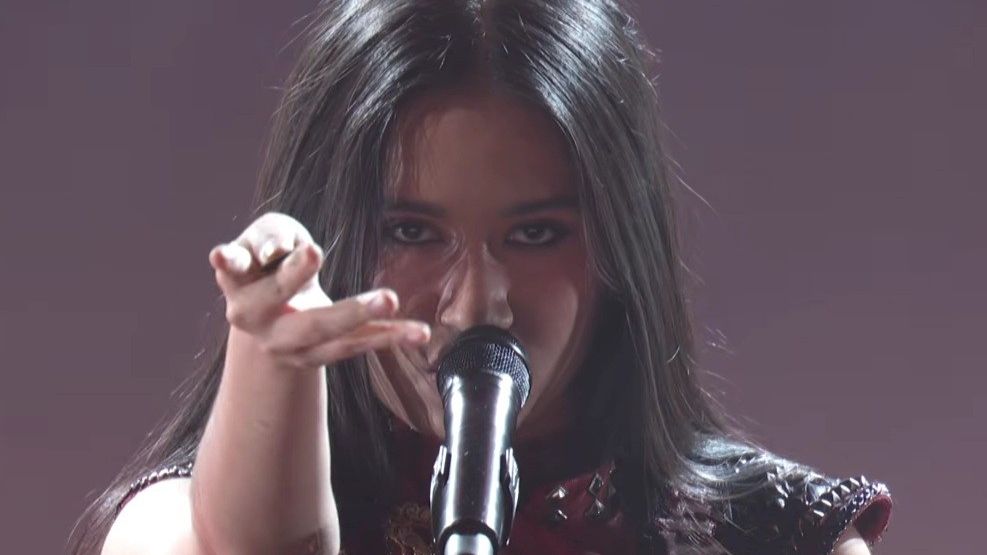
Jack White, the former White Stripes frontman, has taken to Instagram to call out President Donald Trump for remarks that could be interpreted as encouraging the bombing of Los Angeles and San Diego. The former rocker’s post, shared on Oct 6, directly addresses Republicans and conservatives living in those two Southern California cities, asking how they feel about a “Fuhrer” suggesting that Iran could attack them. White’s tone is scathing, and he dismisses the White House’s attempt to frame Trump’s comments as a discussion of nuclear threat. The stakes for the residents of Los Angeles and San Diegoand for the political climate in the United Statesare clear: a public figure of Trump’s stature is effectively endorsing violence against American civilians.
White’s Instagram caption pairs a screenshot of Trump’s statements with a blunt question: “How do you feel about your Fuhrer recommending that the cities you live in get attacked?” The screenshot shows Trump, at a campaign rally in Grand Island, Nebraska, saying, “They can take out a city. Let them take out Los Angeles. Let them take out San Diego. This is a very small price to pay.” White’s accompanying commentary is unfiltered. He calls Trump’s remarks “the worst American of all time” and predicts that the former president will soon enact “illegal measures” to suppress democracy in the mid‑term elections. The post went viral, eliciting both support and criticism across social media.
White’s critique hinges on the White House’s attempt to reframe Trump’s words. Communications director Steven Cheung and the administration’s rapid‑response accounts argued that Trump was merely discussing the potential threat Iran could pose if it developed a nuclear weapon. They insisted that Trump was not advocating for an attack on American cities. White, however, rejects this framing outright. He writes that imagining any other president saying this would be “false flag” and that Trump’s comments are “a very small price to pay” for the safety of the world. The divergence between the administration’s narrative and the artist’s interpretation underscores a broader pattern of political messaging and public perception.
The incident illustrates how musicians can wield influence beyond the stage. White, known for his outspoken political views, has historically used his platform to critique government policy. His recent condemnation of Trump aligns with a growing trend of artists engaging directly in political discourse, especially in the wake of contentious elections and foreign policy debates. In the U.S., where the intersection of celebrity and politics is increasingly pronounced, White’s post serves as a case study in how cultural figures can amplify or challenge official narratives. The backlash against Trump’s remarks also reflects a broader cultural movement toward holding public officials accountable for rhetoric that could incite violence.
Given Trump’s history of responding to criticism with sharp counter‑attacks, it is likely that the former president will issue a statement defending his remarks and framing them as a matter of national security. White, on the other hand, may continue to leverage his platform to mobilize opposition, potentially collaborating with other artists who have criticized Trump’s policies. The political momentum from the upcoming mid‑term elections could amplify both sides’ messages, as conservatives rally around Trump’s rhetoric while liberal factions amplify White’s condemnation. In the short term, the dispute will probably remain a polarised topic on social media, but the broader implications for free speech and political accountability will linger in public discourse.
The clash between Jack White’s outspoken criticism and Trump’s controversial comments is more than a social‑media flare‑up; it is a microcosm of the current American political climate. As the nation approaches the mid‑term elections, the dialogue between artists and politicians will continue to shape public opinion and, ultimately, the trajectory of U.S. Policy.