Politics
Jimmy Kimmel Hits Back After Trump Calls Him a 'Loser' for Rally Size Crack: 'Let's Do It Again'
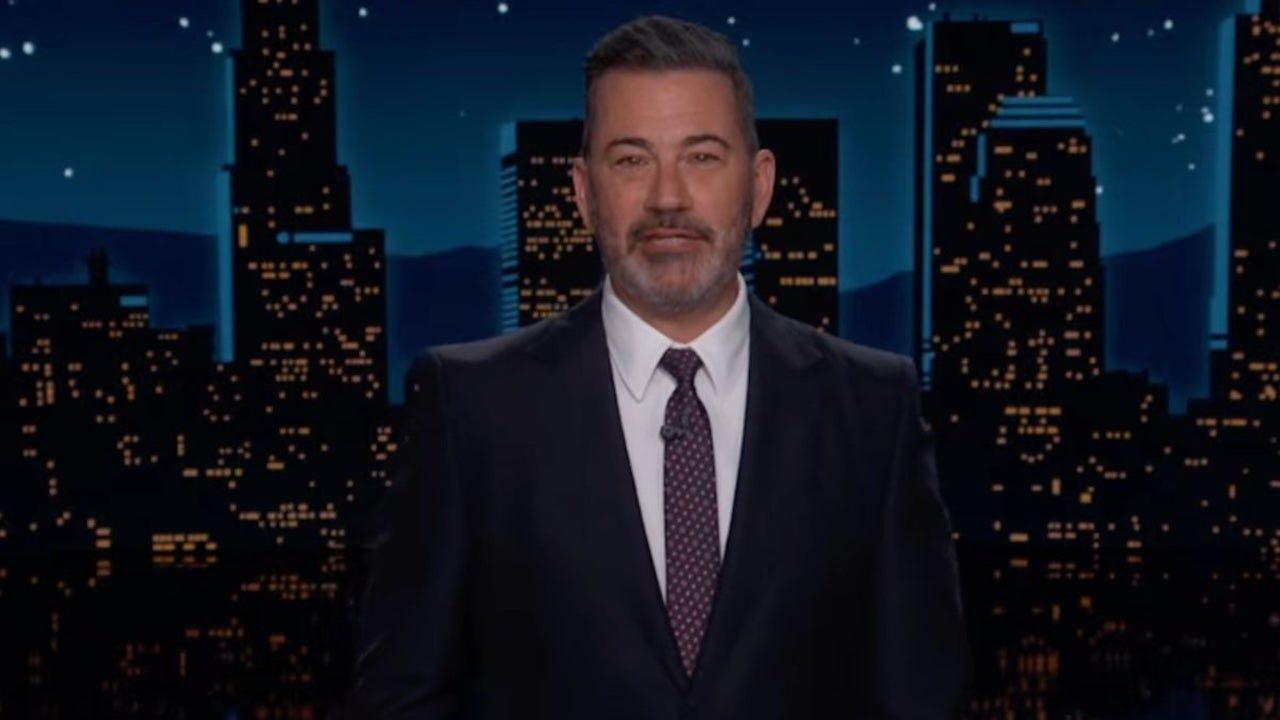
Jimmy Kimmel, the late‑night host who has been the target of political fire‑hose commentary for years, found himself back in the spotlight after Donald Trump blasted him as a “loser” for calling out the president’s sparse rally attendance. In a Monday monologue on Jimmy Kimmel Live!, the comedian turned the tables, mocking Trump’s own claims of “crooked” supporters and suggesting the president’s rallies were more “empty seats” than packed crowds. The exchange was a sharp reminder of the fraught relationship between mainstream media and the former president, and it underscores how late‑night satire can become a battleground for political messaging.
The crux of Kimmel’s retort was the discrepancy between Trump’s public claim that his rallies were “full to the brim” and the reality that the audience was visibly sparse. Kimmel pointed to images of empty seats at the Clarksville, Tenn., event, arguing that the president’s narrative was a fabrication. By juxtaposing the president’s own words“the Ohio Arena was already full to the brim” and “thousands of people had to be turned away”with footage of vacant seats, Kimmel highlighted a pattern of exaggeration that has become a hallmark of Trump’s rhetoric. The comedian’s punchline, “Let’s do it again,” was a direct challenge to Trump’s credibility, suggesting that if the president could be caught in a lie about attendance, he could be called out again.
Late‑night comedians have long served as a check on political power, using humor to expose inconsistencies and to frame public discourse. Kimmel’s monologue is a textbook example of this tradition. By turning Trump’s own words against him, Kimmel not only deflected the president’s attack but also amplified the message to a national audience. This tactic is not new; it echoes the broader trend of comedians becoming political commentators, a phenomenon that has grown with the rise of 24‑hour news cycles and the increasing polarization of the media landscape. In this sense, Kimmel’s comeback is part of a larger cultural movement where entertainment and politics intersect, allowing comedians to shape narratives that might otherwise be monopolized by partisan outlets.
The incident also casts a spotlight on how media outlets, including The New York Times, are perceived when they report on Trump’s rallies. Kimmel’s critique that the Times “said there were empty seats when, in fact, there were none” feeds into a narrative that mainstream journalism is unreliable. This perception can erode public trust, especially among audiences who already view the press with suspicion. The president’s call for the arrest of media outlets further inflames tensions, positioning the press as an adversary rather than a neutral observer. In this climate, satire becomes a vehicle for challenging the legitimacy of traditional news reporting, potentially widening the divide between those who consume mainstream media and those who rely on alternative or partisan sources.
Looking ahead, it is likely that Trump will continue to target Kimmel and other late‑night hosts, using his platform to amplify any perceived slights. Kimmel, in turn, may intensify his satirical onslaught, especially if Trump’s rallies continue to attract criticism over attendance and security. Given the pattern, the next episode of Jimmy Kimmel Live! could feature a more explicit call‑out, perhaps incorporating live footage of a future rally to underscore the discrepancy. If Trump responds publicly, the cycle of attack and counter‑attack will only deepen, reinforcing the narrative that satire is a legitimate political tool.
The episode also signals a shift in how political figures engage with the press. Trump’s willingness to publicly name and shame a comedian reflects a broader strategy of using social media and public statements to control the narrative, bypassing traditional media filters. As a result, the boundary between entertainment and political discourse is becoming increasingly porous, and audiences must navigate a media environment where humor and hard politics are inseparable.
The next time Kimmel steps up to the mic, viewers can expect a sharper jab, a sharper point. The game has been reset, and the stakescredibility, audience trust, and political influenceare higher than ever.