Politics
Jimmy Kimmel Mocks Trump for Bullying Himself 'Off the Air' One Year After Leading Suspension Push
The night’s monologue was a mirror held up to the former president, reflecting a self‑imposed exile that had become a punchline for one of America’s most popular late‑night hosts.
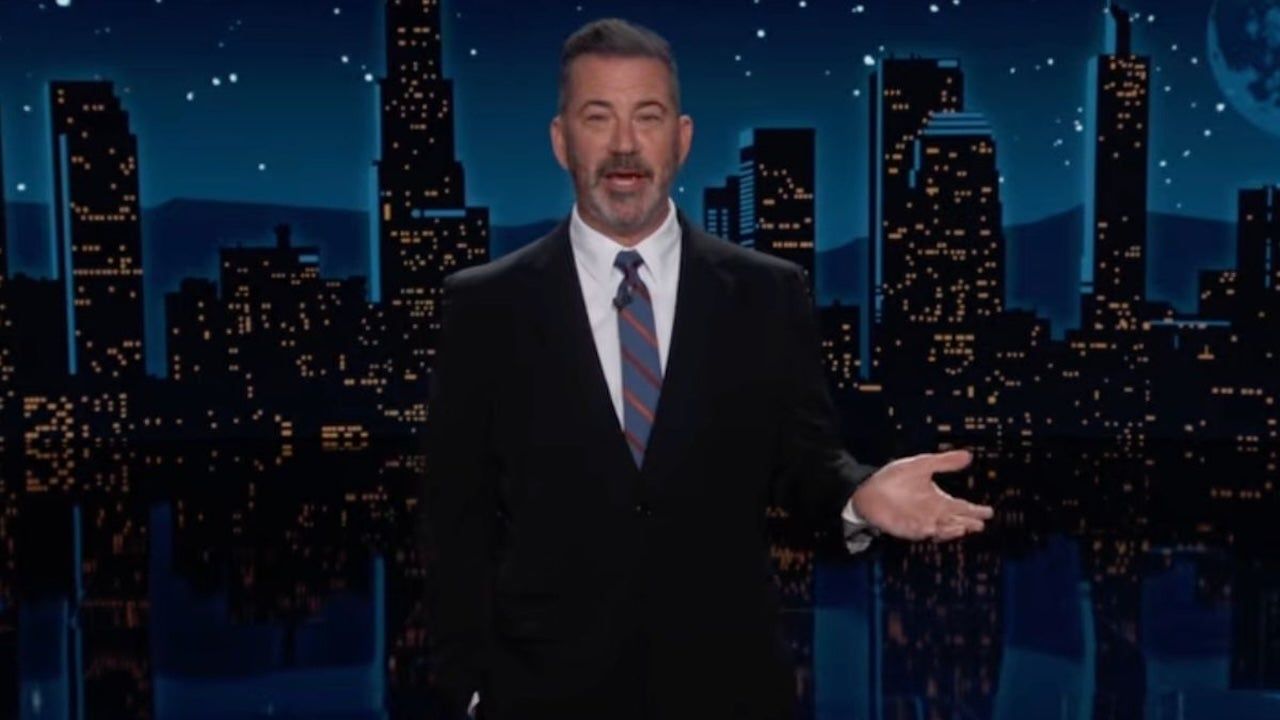
The night’s monologue was a mirror held up to the former president, reflecting a self‑imposed exile that had become a punchline for one of America’s most popular late‑night hosts. Jimmy Kimmel used the platform to point out that a year after his show was briefly pulled from the airwaves, Donald Trump had, in effect, taken himself off the air by banning three major news outlets from the White House. The stakes for Kimmel were clear: his show’s survival depended on the willingness of networks to stay on the air, while for Trump the stakes were a question of influence and control over the narrative.
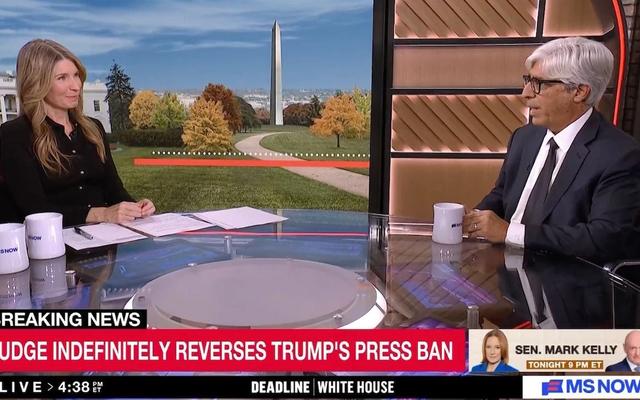
Trump’s decision to bar MS NOW, CNN, and Politico from the White House was not a casual policy tweak; it was a strategic move that forced a chain reaction across the media ecosystem. The ban meant that the usual press poola rotating system where networks share a live feed of presidential eventswas suddenly void. Major networks, including Fox, chose to pull that coverage in protest. The result was a vacuum: the only camera that could capture the president’s every move was a Ring camera that Melania Trump had mounted on her bedroom door. In a world where visibility equates to power, this move was a paradoxical attempt to control the narrative while simultaneously erasing it from the public eye.
The networks’ collective stand was a rare display of solidarity media outlets often compete for exclusive scoops. By withdrawing from the press pool, they sent a clear message that the ban was unacceptable. This action had a two‑fold impact: it deprived the public of real‑time coverage of presidential events and amplified the perception that Trump was willing to punish dissenting voices. For Kimmel, the fallout was personal. The show’s brief preemption by affiliates owned by Nexstar and Sinclairwho had pulled the program in response to FCC Chair Brendan Carr’s criticismunderscored how media decisions can ripple through the entertainment industry. The eventual reinstatement of the show after less than a week highlighted the resilience of late‑night television and the importance of audience demand.
Kimmel’s monologue was a masterclass in timing and irony. He began by noting the irony that the drama unfolded exactly one year after his show was bullied off the air. “Never did I imagine that 12 months later, Trump would do the same thing to himself,” he quipped. The comedian didn’t stop at the president; he extended his roast to the president’s inner circleJD Vance, Marco Rubio, Dr. Mehmet Oz, and Sarah Huckabee Sandersmocking their attempts to justify the ban. By juxtaposing Trump’s self‑imposed exile with the earlier censorship of his own show, Kimmel highlighted a pattern of authoritarian tactics that transcend political ideology.
The 2023 incident, when Jimmy Kimmel Live! was initially pulled from local affiliate owners Nexstar and Sinclair’s markets, set a precedent for how media can be weaponized against dissent. That episode was short‑lived; the show returned to the ABC lineup after less than a week. Yet the episode left a lasting impression on the industry: it demonstrated that even high‑profile programs are vulnerable to political pressure. Kimmel’s current monologue serves as a reminder that the battle for airtime and narrative control is ongoing, and that the consequences of political interference can reverberate across sectors.
This episode is not an isolated incident but part of a larger trend of eroding media freedom in the United States. When a sitting president can unilaterally ban reputable news organizations from the White House, it sets a dangerous precedent for future administrations. The solidarity shown by the networks, however, signals a counter‑movement that values journalistic integrity over political appeasement. In a time when misinformation spreads rapidly, the press’s willingness to stand together against censorship is a vital safeguard for democracy.
Given the trajectory of these events, I predict that the next major confrontation will involve digital platforms. As traditional broadcast networks continue to push back against political interference, the president may turn to social media to disseminate his narrative. This could trigger a new wave of regulatory scrutiny and possibly lead to stricter guidelines for political content on platforms like Twitter and Facebook. The outcome will hinge on how quickly the media ecosystem adapts to protect its own interests while maintaining public trust.
The interplay between politics and media continues to evolve, and the stage is set for further clashes. As the world watches, the next move will either reinforce the current power dynamics or usher in a new era of media independence.