Politics
Jimmy Kimmel Mocks Trump's Promise to Help Russia Amid Siberia Plague: 'The Gang Who Brought Polio Back'
Jimmy Kimmel’s latest monologue turned a grim health crisis in Siberia into a punchline, with the former president’s promise to aid Russia becoming the butt of his satire.
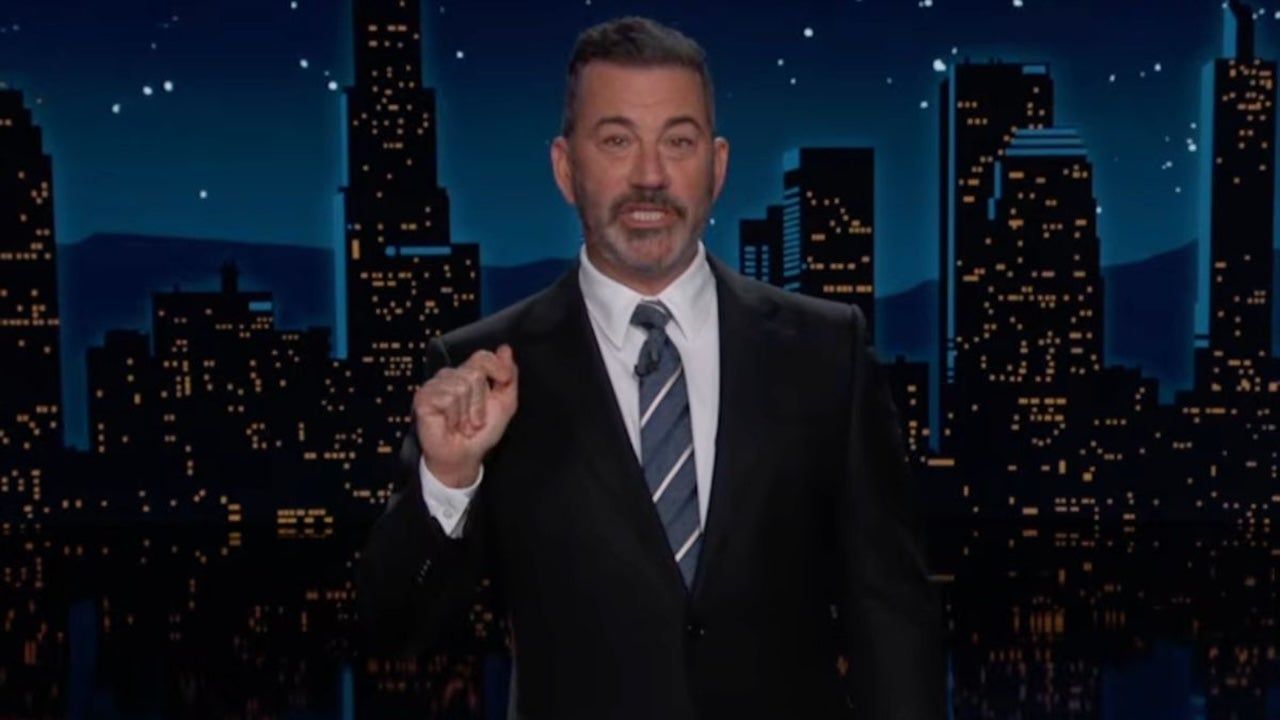
Jimmy Kimmel’s latest monologue turned a grim health crisis in Siberia into a punchline, with the former president’s promise to aid Russia becoming the butt of his satire. The incident centers on a 28‑year‑old laboratory worker at the Irkutsk Anti‑Plague Institute who died of severe pneumonia, and the subsequent quarantine of dozens more. The stakes are real: a potential pneumonic plague outbreak in a remote region, and a global community watching how leaders respond.
The death of the laboratory worker is the human face of the story. His loss underscores the peril that scientists face when working with dangerous pathogens. The fact that the outbreak is linked to a lab leak at the Anti‑Plague Institute raises questions about biosafety protocols and the responsibility of institutions that handle high‑risk diseases. For the workers, the quarantine and the fear of contagion are immediate threats. For the wider public, the possibility of a plague spreading beyond Siberia is a chilling reminder of how interconnected our world has become.
In the monologue, Kimmel lampooned the White House’s claim that they were “monitoring the situation and assessing options to figure out if there is any way they can make money off of it.” The president’s brief statement that the U.S. Would “help” Russia was reduced to a punchline about “the gang who brought polio back.” The satire highlights a perception that the administration’s response is more about political optics than public health. It also reflects a broader criticism that U.S. Foreign aid is sometimes driven by strategic interests rather than humanitarian concern.
Kimmel’s skit juxtaposed the Siberian plague with a cascade of other illnesses: flu, measles, rabies, West Nile virus, and flea‑borne typhus. This montage is not random; it mirrors the current global health climate where multiple infectious diseases are resurging. In 2024, the World Health Organization reported rising cases of measles in several U.S. States, including New York, where a governor declared a state disaster emergency. Meanwhile, West Nile virus continues to be a seasonal threat in the Midwest. By weaving these ailments into his routine, Kimmel underscores how the world is grappling with a spectrum of health threats, not just a single outbreak.
The use of humor to critique political leaders is a long‑standing tradition in American satire. Kimmel’s reference to the “gang who brought polio back” is a nod to the 20th‑century polio campaigns that, while successful, were also marred by political maneuvering and public mistrust. By drawing this parallel, the comedian suggests that the current administration’s handling of the Siberian plague may echo past missteps where public health was entangled with political agendas. This critique is especially potent in a climate where misinformation about disease origins and responses can spread faster than the illnesses themselves.
Given the pattern of political leaders offering symbolic gestures rather than substantive aid, it is likely that the White House will issue a formal statement of support without committing significant resources. The administration may focus on diplomatic outreach, offering to share expertise or logistical assistance, while leaving the bulk of the response to Russian authorities and international health bodies. Meanwhile, the outbreak’s containment will depend largely on local measures, such as quarantine protocols and rapid testing, rather than external intervention.
The situation also presents an opportunity for the U.S. To strengthen its global health diplomacy. If the administration chooses to act decisively, it could set a precedent for future crises, demonstrating a commitment to transnational cooperation. However, the risk remains that the response will be perceived as a political stunt, further eroding public trust.
In the weeks ahead, the focus will shift from satire to action. The real question is whether the international community will rally behind Siberia or whether the outbreak will remain a footnote in a series of global health challenges. As an entertainment journalist who has chronicled the ebb and flow of public opinion for over a decade, I foresee that the next chapter will hinge on the willingness of leaders to move beyond rhetoric and deliver tangible support.