Politics
Jimmy Kimmel Rips Trump's Push to Rename AI 'Super Intelligence': OpenAI Must Be 'Very Excited'
Jimmy Kimmel, the late‑night king of punchlines, turned the spotlight on President Donald Trump during a Wednesday monologue in Brooklyn.
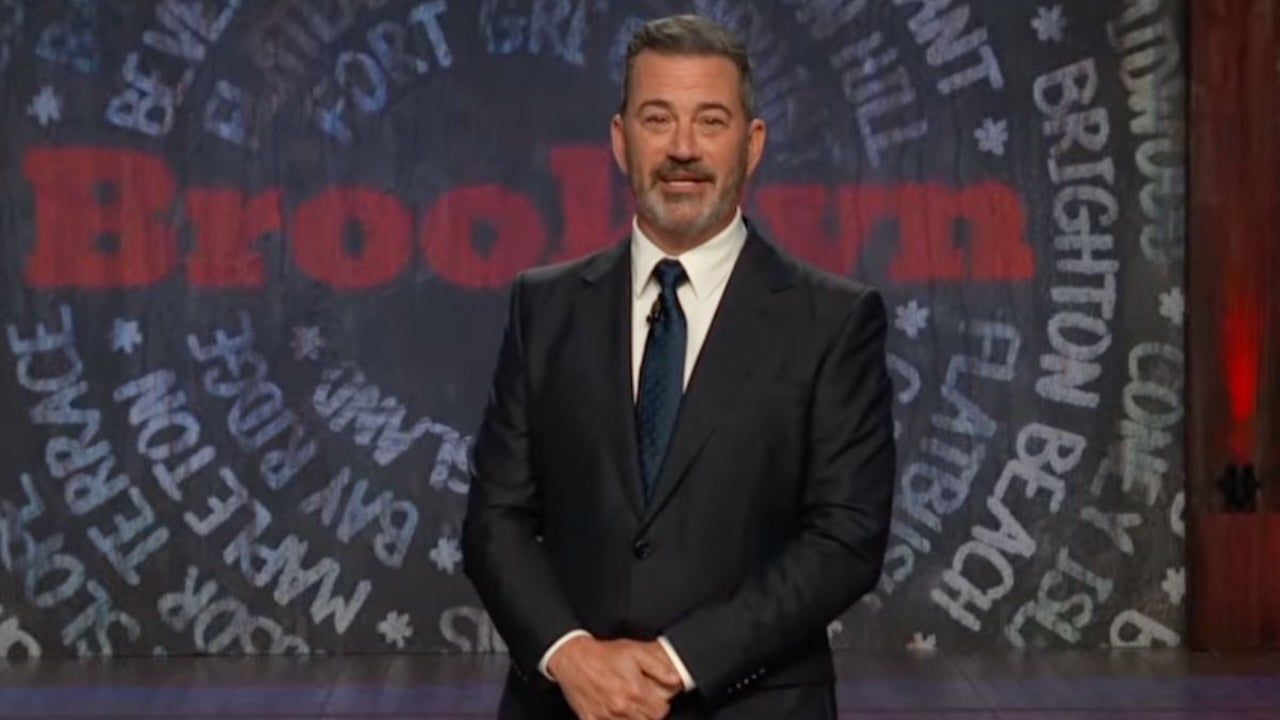
Jimmy Kimmel, the late‑night king of punchlines, turned the spotlight on President Donald Trump during a Wednesday monologue in Brooklyn. Trump had just hosted a luncheon at the White House with the world’s most influential tech leadersElon Musk, Jensen Huang, Mark Zuckerberg, Sundar Pichai, Dario Amodei, Greg Brockman, and Lisa Suand announced a new moniker for artificial intelligence: super intelligence. For the comedians, the stakes were simple: a chance to roast a former president who, according to Kimmel, was “scamburglar” and “trying to rebrand the future of technology” while the tech giants sat in his lap.
The gathering, billed as a casual lunch, was a rare convergence of AI titans and political power. Kimmel’s monologue highlighted the absurdity of the event: Trump bragging about how “good Natalie [Harp] is at using the printer” and asking Mike Johnson if AI could turn him into a real boy. The host’s humor lay in the juxtaposition of a former president, known for his flamboyance, with leaders like Elon Musk and Mark Zuckerberg, who are usually more reserved about their public personas. The laughter was not just about the punchlines; it was a critique of a political figure attempting to dictate the narrative around a technology that is already reshaping global economies.
Kimmel’s central jab targeted the rebranding of artificial intelligence to super intelligence. He suggested that the move was less about technical progress and more about Trump’s penchant for renaming things. “I am sure the guy whose company’s name is OpenAI is very excited about this development,” he quipped, implying that Greg Brockman and the OpenAI team would find the new label amusing. The joke underscores a deeper concern: the tendency of political leaders to oversimplify complex tech concepts for public consumption, potentially skewing policy discussions.
The comedian didn’t stop at wordplay. He questioned Trump’s suitability to set guardrails for AI, likening it to “asking your grandpa to set up a Wi‑Fi router in your house.” This comparison points to a broader industry debate: who should dictate the ethical boundaries of AI? The tech community has long argued that policymakers need to be technologically literate, yet the current political climate often places age and experience in tension with rapid innovation. Kimmel’s critique reflects a frustration shared by many in the AI sector: the risk of legacy leaders making decisions that lag behind the pace of technological change.
While the White House has yet to comment, the tech leaders present at the luncheonSundar Pichai of Google, Jensen Huang of NVIDIA, and Lisa Su of AMDhave historically maintained a cautious stance on political involvement in AI regulation. The rebranding to super intelligence may be a symbolic gesture rather than a substantive policy shift. Predictably, the industry will likely respond with a mix of amusement and strategic caution. OpenAI, for instance, may issue a statement clarifying its stance on nomenclature while reinforcing its commitment to responsible AI development.
In the weeks that follow, we can expect the tech community to navigate this naming controversy by emphasizing transparency and technical accuracy. The next major move will probably involve clearer guidelines on AI governance, driven by the very executives who sat at Trump’s table. As the AI landscape continues to evolve, the dialogue between technologists and policymakers must remain grounded in expertise rather than theatrics.