Reality Tv
Jimmy Kimmel Sends a Pointed Message to Guillermo Rodriguez's 'Dancing With the Stars' Haters
The night the world watched Guillermo Rodriguez stumble and soar on Dancing With the Stars, a storm of hate comments raged online.
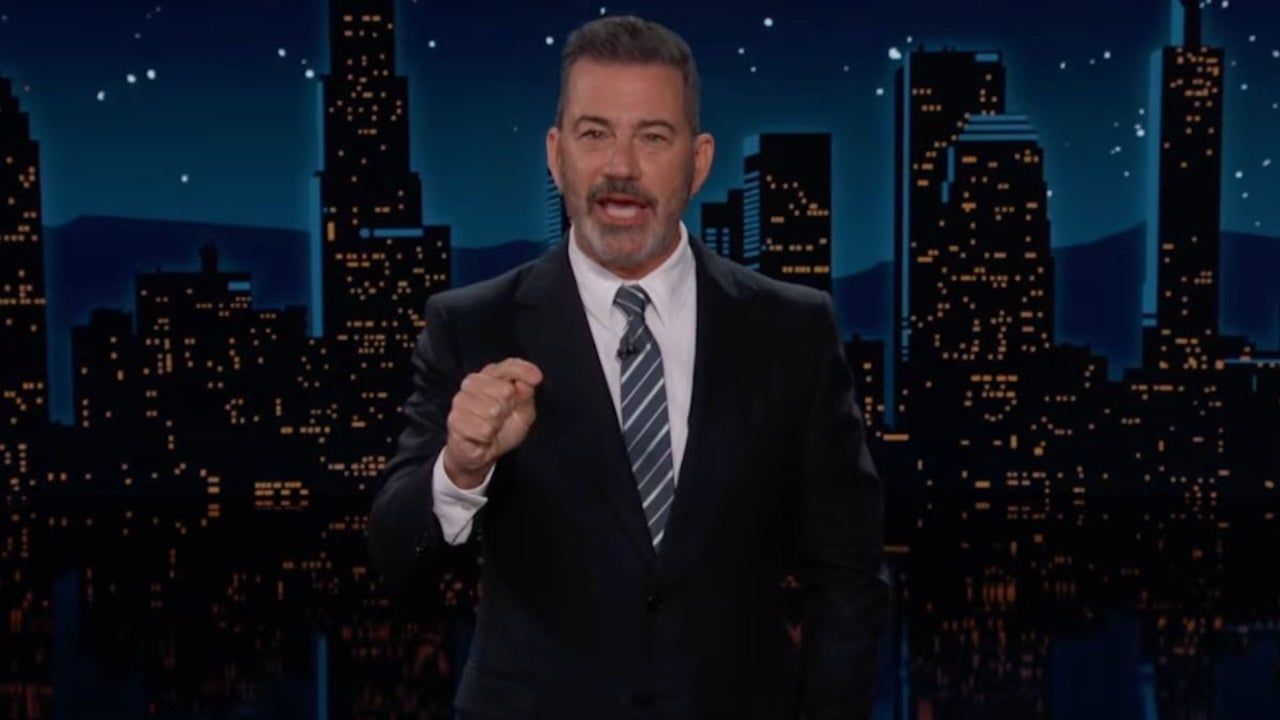
The night the world watched Guillermo Rodriguez stumble and soar on Dancing With the Stars, a storm of hate comments raged online. Those trolls didn’t just target a contestant; they targeted a narrative of perseverance that resonated with millions who had seen their own struggles reflected in his every wobble. Jimmy Kimmel’s defense of Rodriguez on Jimmy Kimmel Live! turns a late‑night monologue into a rallying cry for anyone who’s ever felt judged by a single metric.
Kimmel likened Rodriguez’s journey to a Cinderella story that “has become about the pumpkin.” The image is blunt: a humble, overlooked figure thrust into the spotlight, only to be mocked by those who still cling to the idea that success must come in a glittering, flawless package. The late‑night host’s joke about Rodriguez spending more time “rolling on the floor than dancing on it” cuts through the veneer of polished choreography, exposing the raw, human side of a performer who has literally fallen on stage more often than he has stood tall.
The fact that Rodriguez was trending alongside Lionel Messi’s retirement is no trivial coincidence. It demonstrates how a single narrative can dominate social media feeds, eclipsing even the most monumental events. Kimmel’s observation that “you’re right under him” underscores the sheer volume of attention Rodriguez commands. When a figure like Messi, a global icon, shares a hashtag, the ripple effect is immediate. Rodriguez’s presence in that space signals that his story has struck a chord beyond dance fans, tapping into a broader cultural appetite for redemption tales.
Kimmel’s dismissal of claims that the competition is rigged is a direct challenge to the conventional wisdom that “the show is a game of skill and votes.” By saying “the life is rigged in Guillermo’s favor,” he flips the script, suggesting that the system itself is stacked against those who are not polished or privileged. This perspective invites viewers to question the fairness of talent shows that reward charisma over technique, and to recognize that the real rigging lies in the audience’s preconceived notions.
Kimmel’s retort to a troll who called Rodriguez “a loser” is more than a punchline; it is a rallying cry. “Save that whining for when your mom comes down to the basement,” he says, turning a personal attack into a broader indictment of toxic online culture. The late‑night host is not merely defending a contestant; he is championing a shift in how we consume entertainment, urging us to look beyond the surface and value resilience.
Within the next season, I predict that Rodriguez’s story will prompt producers to rethink the criteria for success on shows like Dancing With the Stars. Expect a shift toward showcasing raw talent and authenticity over polished perfection. If the audience continues to rally around his narrative, the format may evolve to reward perseverance, making the show more inclusive for future contestants who may not fit the traditional mold.
In the end, Kimmel’s monologue is less about a single dance routine and more about the power of narrative to shape public perception. Guillermo Rodriguez’s journey reminds us that the real victory lies not in the applause but in the courage to keep dancing, even when the floor feels like a trap.