Reality Tv
Jordan Stephens: 'I just want women to be safe, it's not a leftist agenda'
Jordan Stephens just snagged Attitude’s Ally award, and he’s still buzzing from the night.
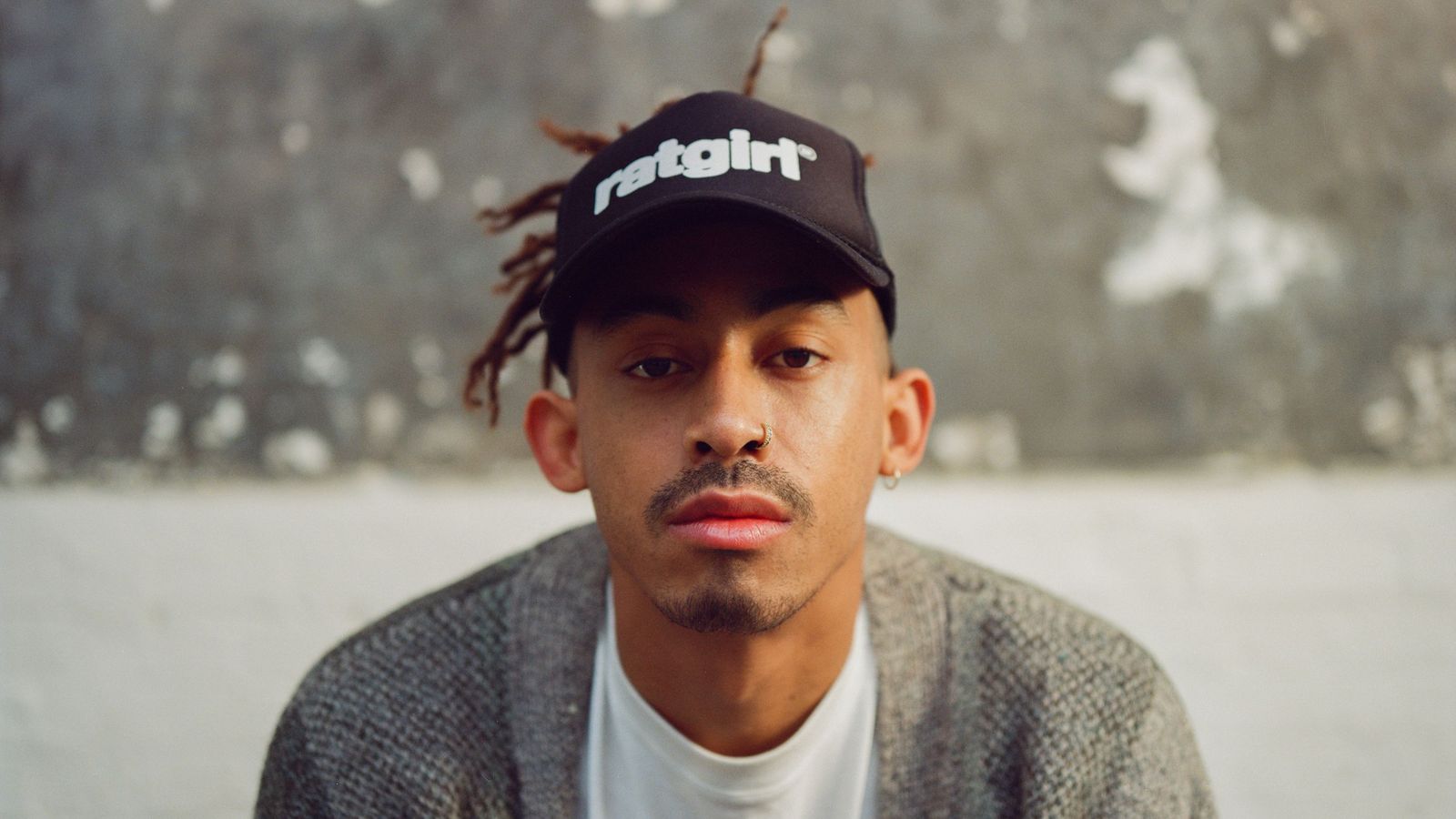
Jordan Stephens just snagged Attitude’s Ally award, and he’s still buzzing from the night. He stepped onto the stage and, before the applause died down, lifted a toast to his ex‑girlfriend Jade Thirlwall, saying he’d almost written a speech for her. “I wish I’d written a speech,” he laughed, “but I thought I was going to centre it more around Jade.” That moment felt like a breath of fresh air in a world that’s become too comfortable with scrolling instead of talking.
Jordan, 34, is a former Rizzle Kicks star turned author and podcast host. He’s been called the voice of reason in a male‑dominated media space, and he’s not shy about it. “A lot of the work I’m doing now is connection oriented,” he says. He’s teamed up with iD Mobile to encourage Brits to pick up the phone again. “We’re living in a frictionless society,” he warns, citing a survey that found 7 out of 10 Brits feel less comfortable making phone calls. The irony is thick: we’re more connected online than ever, yet the art of a real conversation is slipping away.
When asked about his stance on women’s safety, Jordan didn’t mince words. “I just want women to be safe, it’s not a leftist agenda,” he declares. He’s not pushing a political platform; he’s pushing a human one. He talks about the pressure of being a role model and the discomfort that comes with celebrity status. “With celebrity culture, or people being known or elevated, I feel uncomfortable about that,” he admits. His message is simple: safety and respect should be universal, not tied to politics.
Jordan doesn’t shy from controversy. He recently called out Ed Sheeran over the removal of Macklemore from his tour after Macklemore voiced support for Palestine. “Every time he speaks, it gets worse,” Jordan said on his Miss Me? Podcast with Miquita Oliver. He also voiced disapproval of Sacha Baron Cohen’s new Ali G film, “Who Iz I?”, labeling it as perpetuating racist stereotypes. “I’m not a fan. It’s that simple,” he said, warning that the film could spark a deeper conversation about representation.
Jordan is quick to push back against the manosphere’s rise online. He calls for genuine, grounded conversations that move beyond toxic masculinity tropes. “I hate all the purity stuff,” he says, preferring to strip his own “insides out” and put them on display. “Not everybody can communicate like me,” he admits, but he’s confident in his ability to spark meaningful dialogue.
Jordan’s take is that safety, respect, and conversation are not political labels but human necessities. He’s using his platform to remind us that we can still talk, connect, and care without getting caught up in the noise.
The next time you pick up the phone, remember Jordan’s message: a call can be a lifeline, a bridge, or a simple act of kindness. He’s proving that even in a digital age, the power of a conversation still reigns.