Politics
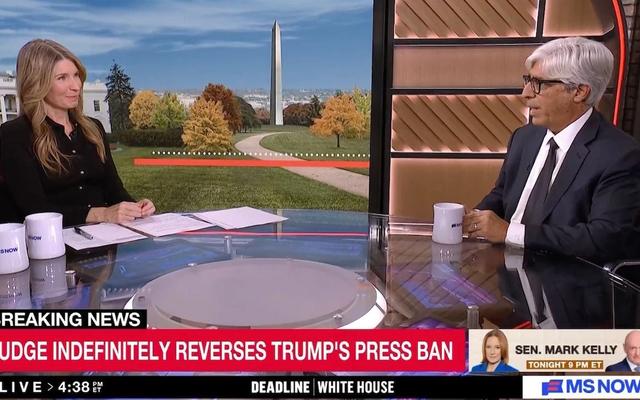
Judge Rules Against White House Resuming Ban of CNN, MS NOW and Politico as Legal Battle Continues
The ban that President Trump announced on September 18 sent a chilling ripple through Washington’s press corps.
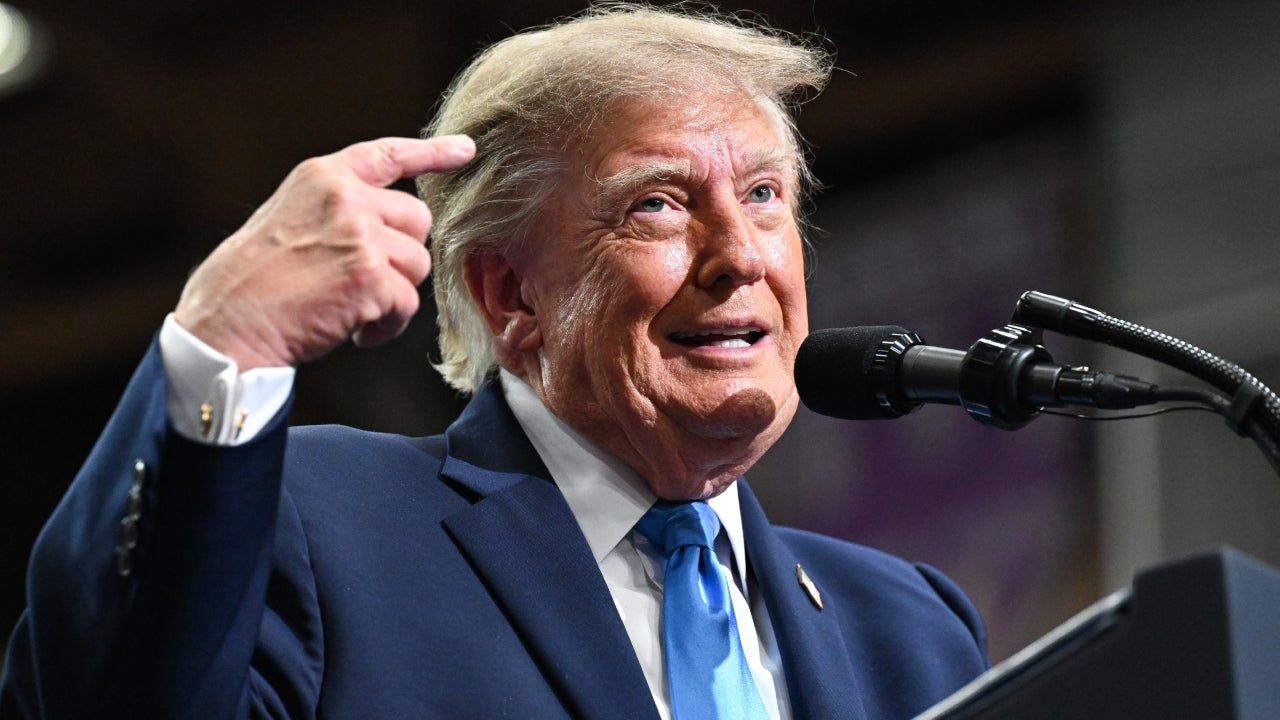
The ban that President Trump announced on September 18 sent a chilling ripple through Washington’s press corps. CNN, MS NOW, and Politico were barred from the White House, a move that threatened the very lifeblood of democratic oversight. Their journalists, already on the front lines of a contentious political climate, faced a sudden loss of access to the executive branch’s most immediate source. The stakes were clear: without a voice in the capital, the public would be deprived of real‑time, independent reporting on the administration’s actions.
Federal Judge Timothy Kelly stepped into the fray to halt the Trump administration’s attempt to revive the ban. By granting a preliminary injunction, he affirmed that CNN, MS NOW, and Politico were likely to succeed on both their due‑process claim and their First Amendment claims. The ruling does more than restore access; it reaffirms the judiciary’s role as a bulwark against executive overreach. The judge cautioned that the decision does not dismiss the President’s concerns about “accuracy and fairness,” nor does it undermine national security when classified information is at risk. Instead, it underscores that any restriction on press access must pass strict constitutional scrutiny.
The legal language here is decisive. The court recognized that the ban, imposed without notice or an opportunity to contest, violated the reporters’ fundamental rights. The injunction is a temporary, yet powerful, safeguard, ensuring that journalists can continue to perform their watchdog function while the broader case unfolds.
President Trump’s justification for the ban was stark: he claimed that the outlets were “constantly” publishing “fiction and lies” about his administration. In a post on Truth Social, he declared that media outlets should not be allowed to “write or report fiction and lies” and threatened to “keep them away” if they continued to do so. This rhetoric, coupled with the subsequent ban, raises serious constitutional questions. The First Amendment protects not only the right to publish but also the right to receive information from government officials. By restricting access, the administration effectively throttled the flow of information to the public, a core democratic principle.
Moreover, the ban’s timingimmediately after a public accusationsuggests a punitive motive rather than a legitimate national‑security concern. The court’s observation that the ban could not be justified on grounds of protecting classified information indicates that the executive branch failed to meet the burden of proof required for any restriction on the press.
The immediate effect of the ban was a tangible loss of coverage. Journalists from the three outlets had to rely on secondary sources, delaying reports on policy developments and limiting the depth of their stories. The public, in turn, received a narrower view of the administration’s actions. This scenario is not new; historically, press restrictions have often coincided with attempts to shape public perception. Yet the current case is unique because it was enacted by a sitting president, not a legislator, and it targeted specific media entities rather than the press as a whole.
The broader implication is a chilling effect on investigative journalism. If a president can unilaterally remove outlets from the capital, other governments might emulate this tactic, eroding the global standard that a free press is essential to accountable governance. The judiciary’s intervention thus serves as a precedent, signaling that such overreach will not go unchallenged.
Given the court’s clear stance, it is reasonable to predict that the Trump administration will appeal the injunction. The appellate process could extend the timeline for the outlets to regain full access, but the legal groundwork laid by Judge Kelly strengthens their position. In the meantime, the three organizations have already begun to adapt, leveraging alternative reporting channels and emphasizing the importance of independent journalism. If the appellate courts uphold the injunction, the ban will likely be deemed unconstitutional, setting a decisive precedent for future executive‑press conflicts.
The restoration of access for CNN, MS NOW, and Politico is a victory for the First Amendment and for the democratic process. It reaffirms that the press must remain a check on power, even when that power is embodied in the highest office. As the legal battle continues, the media will likely use this moment to reinforce the necessity of transparent, unfettered reporting. The court’s decision, while a temporary reprieve, signals a broader shift: executive privilege cannot override constitutional safeguards. The next chapters of this saga will determine whether the judiciary can maintain that balance, but for now, the press has its voice back on the White House grounds.