Reality Tv
Lee Child says he killed Tom Cruise's Reacher movies for the fans
Beyond the roar of a blockbuster set, a quiet decision unfolded in a writer’s study. Lee Child stared at the screen, the glow of a paused Jack Reacher clip reflecting in his eyes.
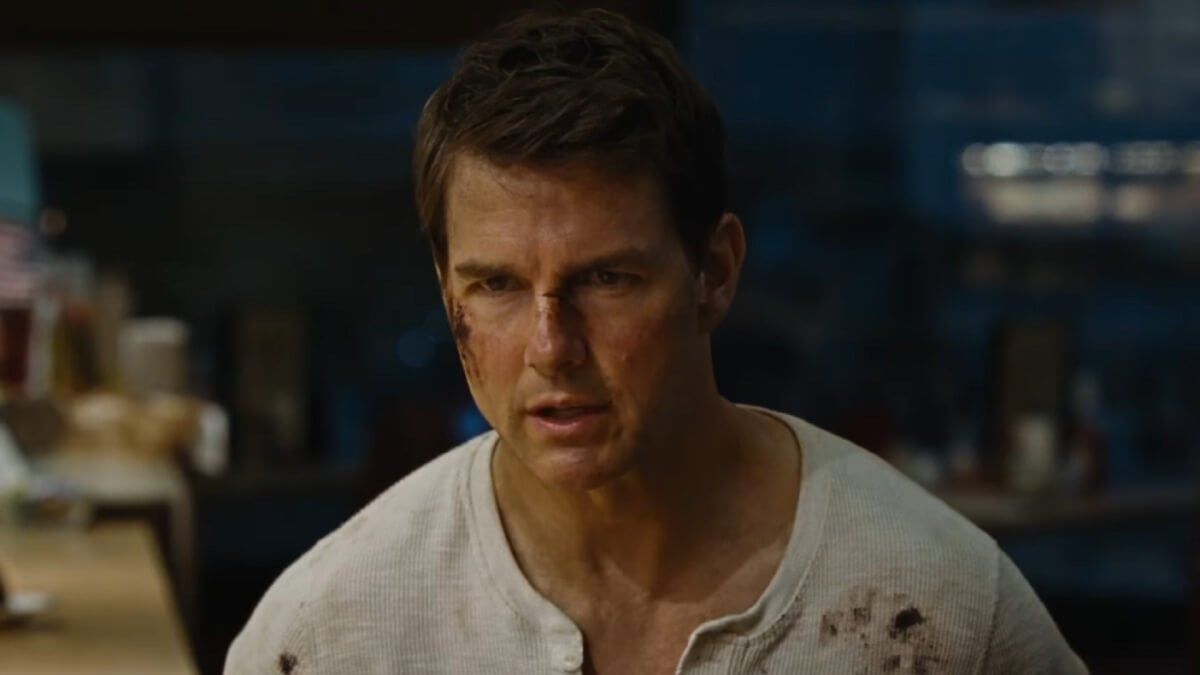
Beyond the roar of a blockbuster set, a quiet decision unfolded in a writer’s study. Lee Child stared at the screen, the glow of a paused Jack Reacher clip reflecting in his eyes. He had watched Tom Cruise sprint through a desert chase, the camera cutting to the actor’s trademark grin, and felt a knot tighten in his chest. The scene was familiar: a man in a trench coat, a rifle, a city skyline. But the man on screen was not the one who had first walked out of a Nigerian novel into the world’s imagination.
When Jack Reacher first appeared in 2012, the world had never seen a character that could be described as “one of the largest men… ever seen outside the NFL.” The novel’s author, Lee Child, had crafted a soldier‑turned‑wanderer who could move through a town like a ghost. The book’s success catapulted the name into bestseller lists, and the film adaptation with Tom Cruise brought the story to a global audience. Yet the adaptation also introduced a visual interpretation that many readers found discordant.
In a Collider interview that coincided with the release of Chain Reaction, Child revealed that he had wielded a contractual veto that halted the third Reacher movie. He said the decision was not born of personal dislike for Cruisehe even admitted to enjoying working with himbut rather from a clear, clamorous fan demand. Readers had expressed feeling betrayed that the films did not mirror the books’ depth and nuance. The author’s own words, “The readers did not think the same way. They felt very betrayed that the movies had not mirrored the books more exactly,” underline the tension between commercial appeal and literary integrity.
The cost of a Cruise‑starrer is steep. Child described the financial equation: “What actor is worth a $200 million investment?” The high budget often led to diminishing returns, especially when the cinematic narrative had to compress complex plotlines into a 90‑minute runtime. In contrast, the television format allowed for a more faithful expansion of the source material. “All the light and shade, all the quiet parts, all the fun parts,” Child noted, “doesn’t have to be rammed together for 90 minutes of content.” The shift to streaming meant that the platform could absorb costs, and the story could unfold over multiple episodes.
Watching the debate unfold, I felt the weight of authenticity in storytelling. The Reacher saga is more than a series of action sequences; it is a portrait of a man who walks the line between violence and restraint. When a story is rushed to fit a blockbuster mold, the subtlety that makes it resonate is lost. Child’s choice to step back from the franchise reflects a deeper respect for the narrative’s integrity.
Since the decision to halt the films, the Reacher universe has continued to grow on television. The 2022 series starring Alan Ritchson has introduced a new visual interpretation that many fans say aligns more closely with the books. The series’ release coincided with the publication of Chain Reaction, a move that suggests a coordinated effort to keep the character alive across media.
- 2012, First Reacher film with Tom Cruise
- 2016, Second film, Jack Reacher: Never Go Back
- 2022, Television adaptation starring Alan Ritchson
- 2023, Release of Chain Reaction and renewed focus on TV format
Looking ahead, the Reacher franchise may find its true home in serialized storytelling, where the complexity of the character can be explored without the constraints of a single blockbuster budget. The decision to pause the film series was not a retreat but a recalibration, ensuring that the heart of the story remains intact for future generations of readers and viewers alike.