Reality Tv
Liquid Studios reveals strategy; visualises Podnews
Jeanine Wright, the CEO of Liquid Studios, just dropped a new website that reads like a playbook for turning podcast gold into visual gold.
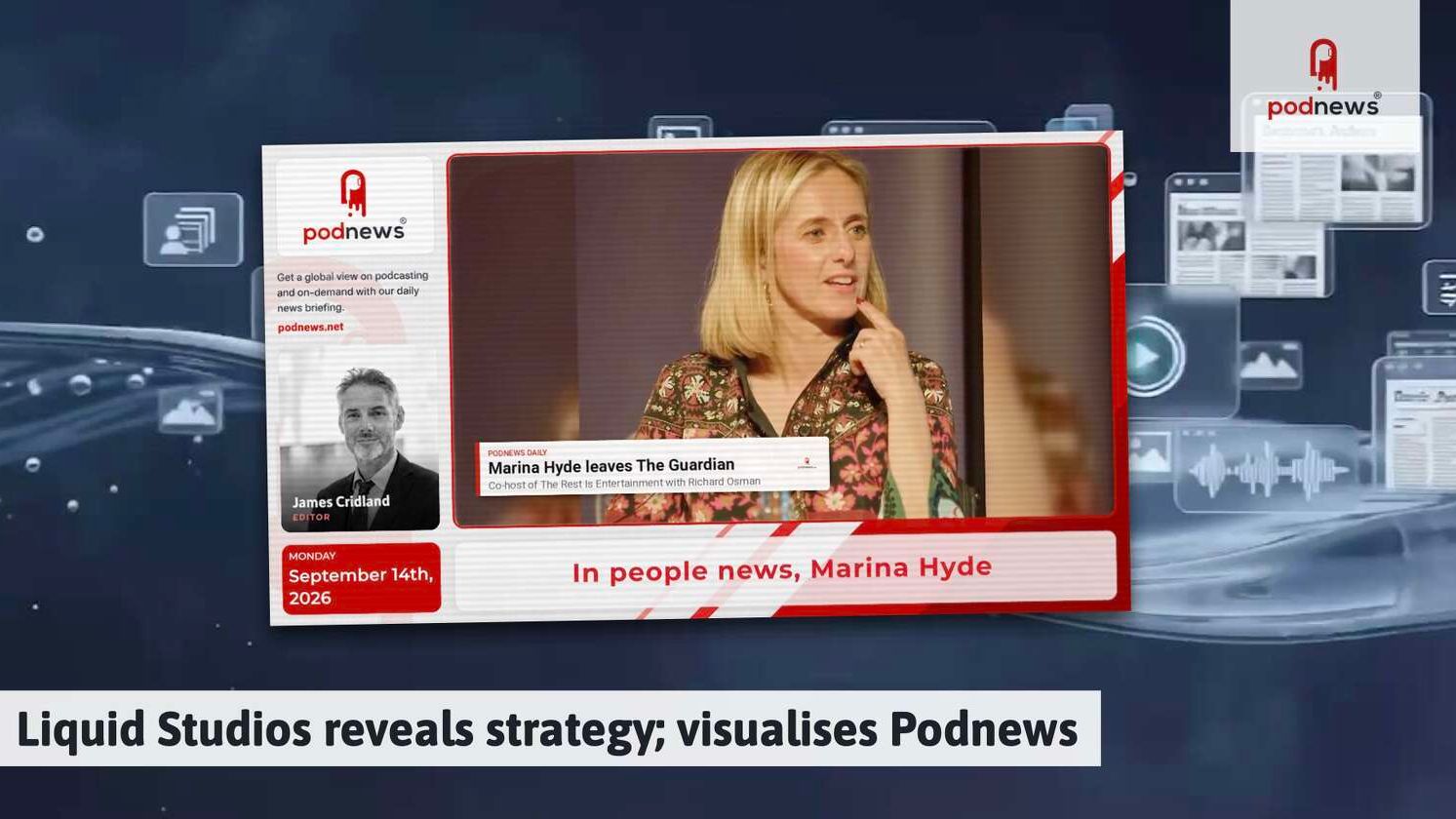
Jeanine Wright, the CEO of Liquid Studios, just dropped a new website that reads like a playbook for turning podcast gold into visual gold. Picture this: a daily newsletter that’s been a staple in the podding world for years, now getting a video makeover that keeps the editor’s voice intact, no AI‑generated faces, and a human touch before it hits YouTube, LinkedIn, and a handful of podcast apps. That’s the pilot with Podnews.
The move isn’t just a tech demo; it’s a test of speed and quality. “A daily news bulletin is one of the tightest turnarounds in podcasting,” Wright says. “Podnews is a real test, not a demo.” The idea is simple yet bold: take existing audio and video content, re‑imagine it for the visual medium, and monetize it again.
Liquid Studios’ revamped site lays out a clear strategy: leverage the wealth of audio and video that podcasters already own. With SoundStack AI, the company promises to help creators rediscover hidden revenue streams. The pilot with Podnews is a concrete example. Instead of re‑recording or hiring a new voice, the editor’s own narration is preserved. The visuals are hand‑crafted and reviewed by a human before publication, ensuring that the final product feels authentic rather than robotic.
This approach taps into a growing trend where podcasters are looking to expand beyond audio. The visual format opens doors to new audiences, especially on platforms that favour video content. By keeping the turnaround tight, Liquid Studios demonstrates that speed and quality can coexist, a crucial factor for daily news content where relevance is king.
Podnews, known for its daily newsletter that delivers the latest podcast industry news, is the perfect test bed. The pilot will see the newsletter’s content transformed into a video bulletin. Viewers will see the same information they’d read, but now with motion graphics, the editor’s voice, and a polished finish. The videos will appear on Liquid Studios’ YouTube channel, LinkedIn, and selected podcast apps, giving the content multiple touchpoints.
This isn’t just a gimmick; it’s a strategic move to prove that daily content can be repurposed quickly enough to stay relevant. The pilot also showcases the potential for podcasters to monetize existing content without creating new material from scratch.
The podcast industry is becoming increasingly crowded, and creators need new ways to stand out and generate income. By turning audio into video, podcasters can reach audiences on platforms where video dominates, such as YouTube and social media feeds. The pilot’s emphasis on human review and authentic voice also addresses a common criticism of AI‑generated content: it can feel impersonal.
For podcasters who already have a library of content, this strategy offers a low‑effort path to fresh revenue. Instead of investing in new recordings, they can let AI help remix what they already have, then add a human layer to keep it genuine. The result is a product that feels both modern and trustworthy.
While Liquid Studios is carving out its niche, the broader podcast ecosystem is also evolving. Audioboom recently posted a record Q3 with 17 % revenue growth and a profit of US $5.6 million, signalling that monetisation models are working. Meanwhile, Apple has launched new smart‑home products like the Apple Homeview, which comes pre‑installed with Apple Podcasts but limits access to other podcast apps. These moves hint at a future where podcast consumption is more integrated into everyday tech, creating new opportunities for content repurposing.
If there’s one clear takeaway, it’s that repurposing existing content into new formats is becoming a cornerstone of sustainable podcast growth. Liquid Studios’ pilot with Podnews is a concrete example of how this can be done efficiently and authentically. For podcasters, the lesson is simple: don’t let your archive sit idle. Turn it into video, keep the voice real, and watch new revenue streams open up. The future of podcasting isn’t just about what you say; it’s also about how you show it.