News
List of players out of the September 2026 international break
The September 2026 international break is a crucible for national squads, but this time the heat has turned into a wall of withdrawals.
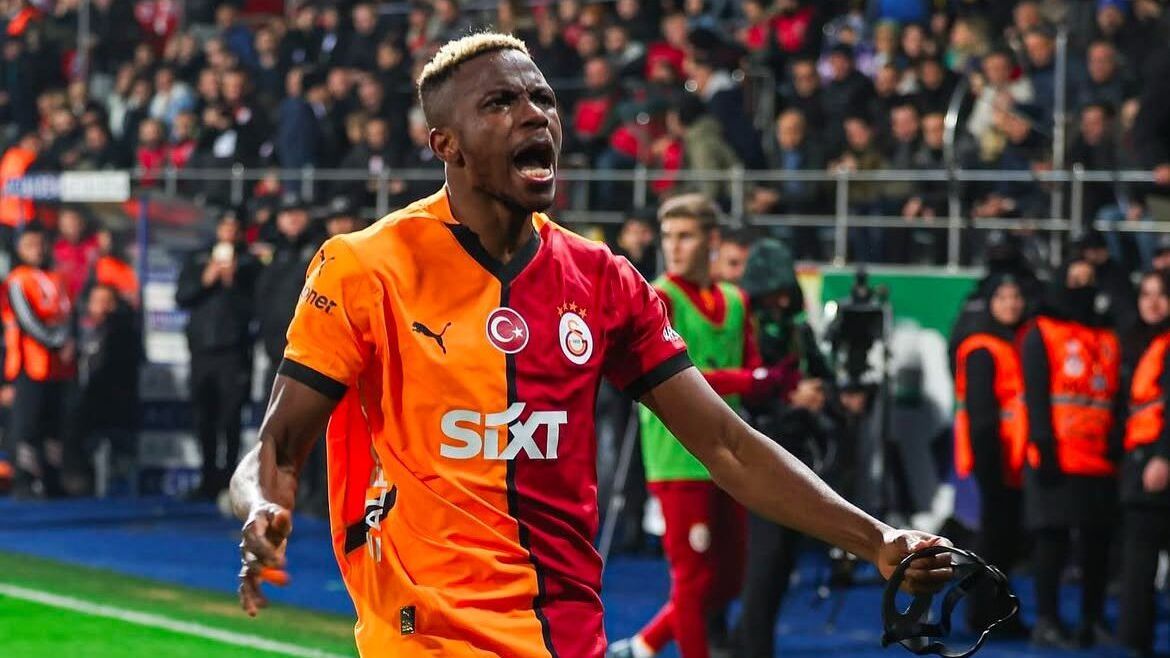
The September 2026 international break is a crucible for national squads, but this time the heat has turned into a wall of withdrawals. Players who were supposed to light up the pitch for England, Italy, Brazil, and Nigeria have all pulled out, leaving coaches scrambling for replacements and fans wondering if the break will still deliver the drama it promised. The real impact is on the athletes themselvesinjuries and load‑management concerns force them to prioritize long‑term health over short‑term glory, and the national teams must adjust their strategies on the fly.
England’s list of absentees reads like a cautionary tale about modern football’s physical demands. Cole Palmer stepped back as a precaution, a move that signals clubs’ growing influence over player availability. Declan Rice’s hamstring issue forced him out, a reminder that even the most disciplined players cannot escape the wear of a congested schedule. Marcus Rashford and Kobbie Mainoo both withdrew, the former battling a hip problem that could sideline him for months. Tino Livramento’s injury during club training sealed the list. With five players gone, Thomas Tuchel faces a tactical reshuffle for the UEFA Nations League fixtures. Replacements James Garner and Morgan Gibbs‑White are called up, but they lack the experience of the original squad, raising questions about England’s competitiveness in the coming matches.
Roma midfielder Bryan Cristante’s withdrawal after a physical problem against Inter Milan underscores the fine line Italian players walk between club and country. His absence forces the Italian coach to rethink the midfield balance. Samuele Ricci steps in, but the shift may alter Italy’s style of play, potentially affecting their performance in the Euro qualifiers that loom ahead. The Italian squad’s depth is tested, and the decision to replace a key midfielder with a less proven player could have ripple effects on team morale.
In Brazil, João Pedro pulls out due to injury concerns, a blow to a squad that relies on youthful dynamism. The withdrawal raises doubts about Brazil’s ability to field a balanced team in the qualifiers, especially as the nation seeks to maintain its dominant status in South American football. Nigeria’s situation is even more dramatic. Star striker Victor Osimhen is ruled out after failing to recover from a right adductor muscle strain. His absence leaves the Super Eagles without a proven goal‑scoring threat. Taiwo Awoniyi from Coventry City is named as his replacement, but the question remains whether he can fill the void left by a player who has been a cornerstone of Nigeria’s attack.
The pattern of withdrawals reveals a growing tension between club commitments and national duty. Players are increasingly cautious, opting for load management to safeguard their careers. This trend challenges the romantic notion that international duty is the pinnacle of a footballer’s journey. Coaches must now balance the desire for immediate success with the long‑term health of their players. The September break may still produce memorable moments, but the narrative is shifting from glory to survival.
Given the mounting injury toll, I predict that football governing bodies will revisit the international break schedule. If the trend of high‑profile withdrawals continues, the September break could be shortened or rescheduled to give players adequate recovery time. This change would signal a shift toward prioritizing player welfare over traditional fixtures, a move that could redefine international football calendars in the coming decade.
The September 2026 international break may have lost some of its star power, but it has sparked a crucial conversation about player health, club versus country, and the future rhythm of international football.