Politics
Mamdani Says ICE 'Must Be Abolished' After Federal Agent Shoots Man Near Child in NYC
The day a federal agent fired into a car with a five‑year‑old in the back seat, New York’s mayor stepped into the spotlight not just as a city leader but as a defender of ordinary people’s safety.
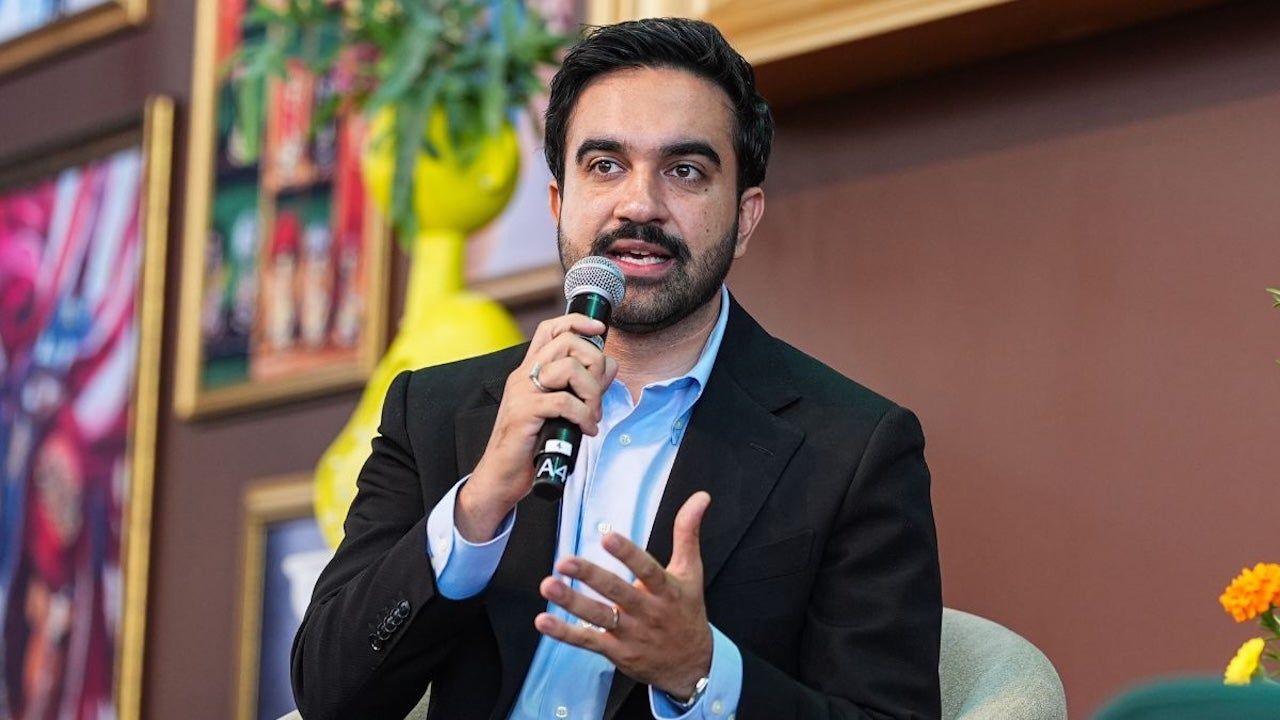
The day a federal agent fired into a car with a five‑year‑old in the back seat, New York’s mayor stepped into the spotlight not just as a city leader but as a defender of ordinary people’s safety. When the gunshot rang, the child was unharmed, but the shock rippled through the boroughs, turning a single shooting into a national conversation about who has the right to wield lethal force on our streets.
Mayor Zohran Mamdani didn’t mince words. He called the incident an outrage and declared that ICE “operates with impunity.” The shooting, which happened late Thursday afternoon, was not an isolated blip; it was a stark reminder that federal agents can appear unmarked, brandish firearms, and remove residents from their neighborhoods without any accountability. The mayor’s frustration was palpable: “I have been on the phone with President Trump and Secretary Mullin, negotiating the release of the man ICE agents shot. Those negotiations were unsuccessful.” The fact that the man was whisked away in an unmarked vehicle only deepened the sense that the system protects its own at the expense of city dwellers.
The presence of a five‑year‑old in the car was the emotional fulcrum of Mamdani’s address. He noted, “Tonight, a five‑year‑old child gets traumatized and terrified.” That single moment turned a local incident into a city‑wide crisis of confidence. Residents across the five boroughs began questioning whether they could trust law‑enforcement officers who might be armed with federal authority and no clear oversight. Mamdani’s words echoed in the streets: “New Yorkers across the five boroughs are asking whether their civil liberties will be respected.” The city’s safety narrative was suddenly inverted; the very agency tasked with protection became a source of terror.
Mamdani’s rhetoric sharpened into a direct challenge: “This is an agency that must be abolished.” He framed ICE as a “rotten core” that “sows chaos and terror across our country.” The mayor’s stance is not a fringe opinion; it reflects a growing sentiment among urban leaders who see federal enforcement as a threat to local autonomy. While some argue that ICE is essential for national security, Mamdani’s experience suggests otherwise: the agency’s presence in New York has “killed far more of our neighbors than they could ever have claimed to save.” This stark claim, though not quantified in the article, carries weight because it juxtaposes the agency’s stated purpose with the lived reality of city residents.
Mamdani’s call to action is a microcosm of a larger battle between federal authority and municipal governance. By threatening to “end all ICE enforcement actions in our city,” he is positioning New York as a frontline in the debate over immigration enforcement. If the mayor’s demands are met, it could set a precedent for other cities to follow suit, potentially reshaping the national landscape of law‑enforcement jurisdiction. Conversely, if the federal government ignores the mayor’s pleas, the city risks becoming a flashpoint for civil unrest.
In the coming months, I predict that New York will become the epicenter of a broader national showdown. The mayor’s unequivocal stance will likely force the federal government to either negotiate a new framework for ICE operations in major cities or face a wave of similar demands from other urban leaders. Whether that outcome will be a compromise or a complete dismantling of ICE’s local presence remains to be seen, but the conversation has already begun.
The shooting in New York is more than a single tragedy; it is a catalyst that could redefine the relationship between federal agencies and the communities they serve. If the city’s call for abolition gains traction, it could signal the start of a new era in American law enforcement, where local autonomy takes precedence over federal oversight. The next few weeks will decide whether this is merely a flash in the pan or the beginning of a lasting shift in how we protect our streets.