Politics
Man who thinks he's more popular than Lincoln says Chuck Lorre needs psychiatric help
The day Chuck Lorre accepted the Angel Award from Project Angel Food on 26 September, the same afternoon a White House spokesperson appeared on Fox News and branded the sitcom producer “deranged.
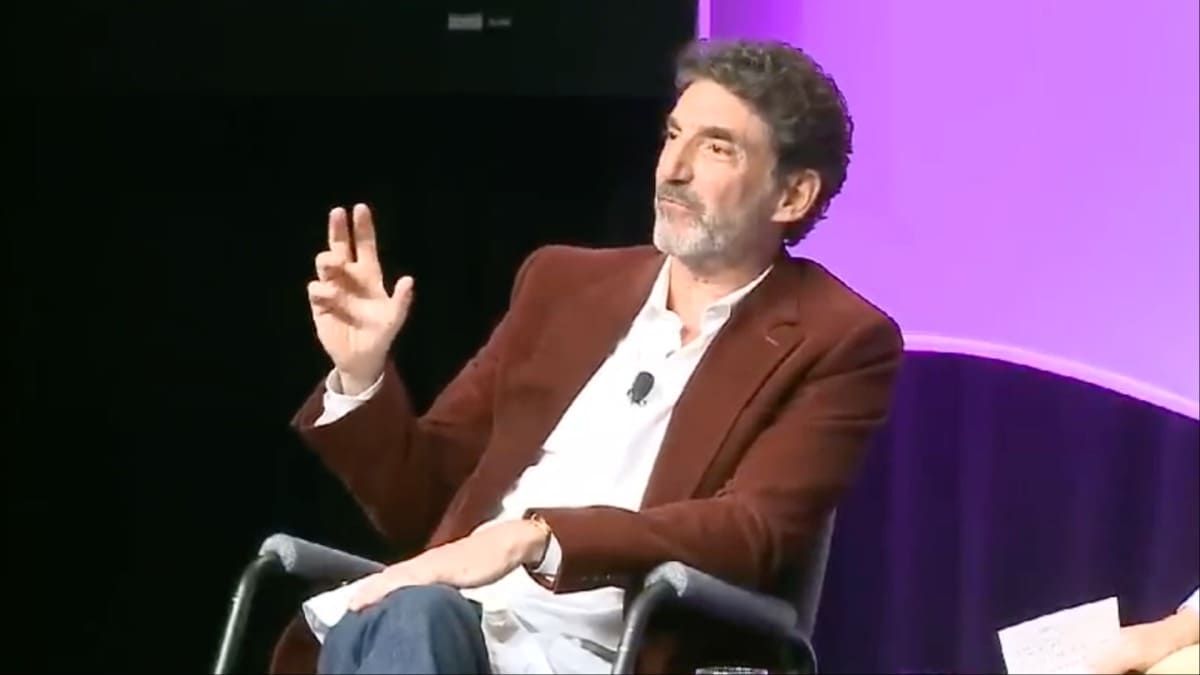
The day Chuck Lorre accepted the Angel Award from Project Angel Food on 26 September, the same afternoon a White House spokesperson appeared on Fox News and branded the sitcom producer “deranged.” The remark was not a mild rebuke; it was a direct challenge to Lorre’s mental fitness, a challenge that rippled through the Trump‑era media machine. For Lorre, a man whose career has been built on humor and sharp social commentary, the accusation felt like a personal assault and a reminder that every public figure in this era is under constant scrutiny.
When the spokesperson on Fox News referred to Lorre’s “peanut‑sized brain” and urged him to seek psychiatric help, the statement was delivered with the same disdain that has come to define the administration’s treatment of dissent. Lorre had just finished a brief speech in which he lambasted Trump, his First Lady, and the administration’s policies. He highlighted the need for positivity and change, critiqued the president’s perceived incompetence, and even offered a scathing take on Melania Trump as a “surgically enhanced, cold‑hearted Yugoslavian escort.” The spokesperson’s retort was swift and unambiguous: Lorre was not just wrong, he was mentally unstable.
The incident sits squarely within the broader trend of labeling critics as suffering from “Trump Derangement Syndrome.” The policy, as it has become known, treats any slight disagreement with the administration as a sign of mental illness. By branding Lorre, a well‑known entertainment figure, as deranged, the administration reinforced the narrative that dissent is not only unpatriotic but also pathological. This tactic has been used repeatedly against journalists, comedians, and even politicians who dare to question the status quo.
Lorre’s career has long been defined by his willingness to speak out. From “The Big Bang Theory” to “The Good Place,” he has used comedy as a platform for social critique. The White House’s attack threatens to tarnish that reputation, suggesting that his outspoken nature is a sign of instability rather than courage. For fans and industry peers, the incident risks alienating a segment of the audience that respects Lorre’s candidness. Yet, it also galvanizes his supporters, who view the attack as yet another example of the administration’s intolerance for dissent.
The entertainment industry has always been a battleground for political expression. This episode signals a shift: satire may now be met with official condemnation rather than just public debate. If the administration continues to brand critics as deranged, it could chill creative voices across Hollywood. However, the backlash from the public and industry insiders may prompt a counter‑movement, encouraging more writers and producers to use satire as a shield against political aggression. In the next six months, I anticipate a surge in politically charged content that explicitly addresses the threat of “derangement” rhetoric, as creators seek to protect their freedom of expression.
In the weeks ahead, the White House’s stance will likely be tested by other public figures who refuse to bend. If the trend of labeling dissent as mental illness persists, it will force the entertainment community to reassess how it navigates political commentary while maintaining its creative integrity.