Reality Tv
Mia Goth Calls Out Instagram for Allowing AI Images of Her Amid Shia LaBeouf Divorce News
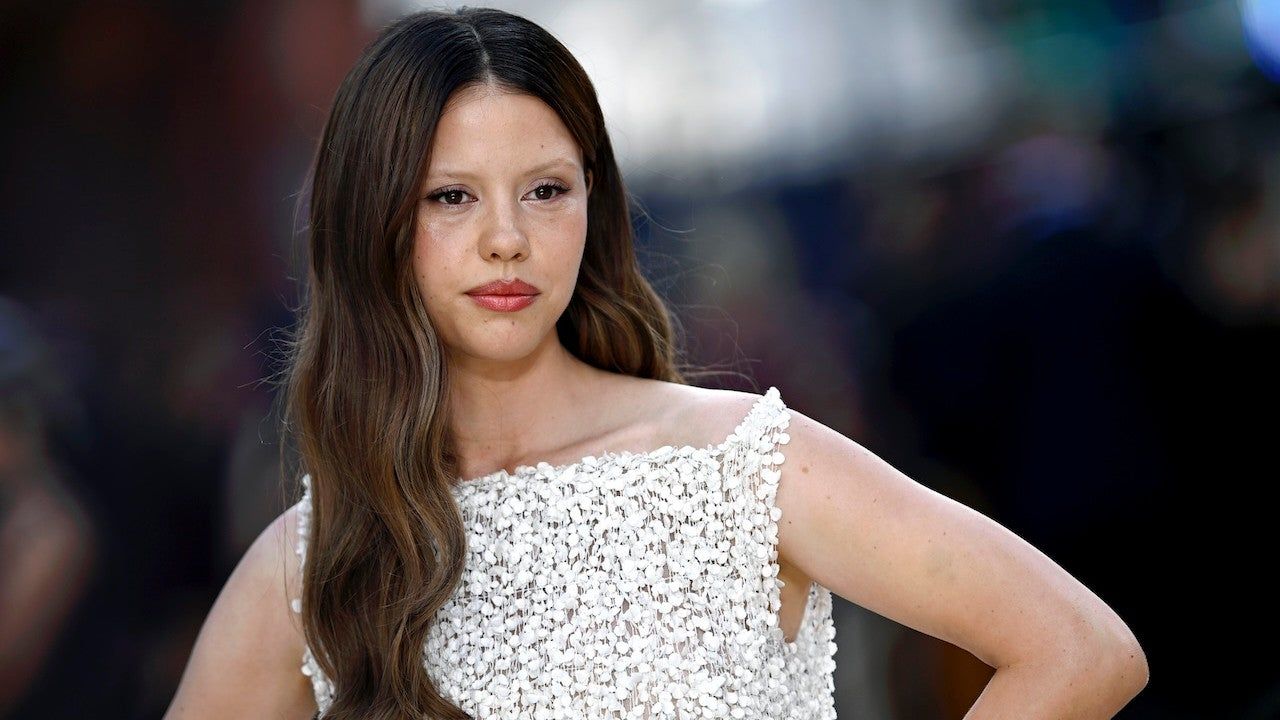
Mia Goth had never opened an Instagram profile, yet a blue‑checked account that claimed to be her suddenly filled the feed with a fabricated photo of her wearing a shirt that read, “My Ex Is My Biggest Fan.” The image, made with artificial intelligence, surfaced just days after the actress filed for divorce from Shia LaBeouf. When the fan page went viral, several news outlets treated the photo as if it were a genuine statement from Goth about her former husband, even though the image was a digital forgery.
The account in question, @miagoth_, had earned Instagram’s blue check mark, a badge that signals authenticity to users. The platform’s verification guidelines typically require a public figure to have a verified identity and a presence on the platform. Yet Goth herself has no Instagram account. The discrepancy between the account’s status and the actress’s actual online activity raised immediate concerns about the platform’s gatekeeping mechanisms.
When the photo spread, the page’s caption hinted at a personal narrative. It suggested that Goth was addressing her divorce, a subject that had dominated headlines in the past week. However, the image was not a photo taken by a photographer or a candid shot from a public event; it was generated by an AI model that stitched together facial features from various sources to produce a likeness that looked eerily like the actress. The result was a perfect blend of authenticity and fabrication, a paradox that caught the attention of both the media and the public.
A representative for Goth told a tech outlet that the actress had filed multiple complaints with Instagram to have the verified fan account removed. The representative expressed frustration that Instagram seemed to prioritize the spread of counterfeit images over protecting the integrity of a public figure’s likeness. The claim was that the platform’s verification process had inadvertently given a non‑existent fan account the authority to circulate misleading content that could influence public perception.
The complaint also highlighted a broader issue: the ease with which AI‑generated images can masquerade as real photographs. With the proliferation of deepfakes and synthetic media, the line between genuine and fabricated content is increasingly blurred. For a public figure who deliberately stays off social media, the exposure of a fabricated image can have tangible repercussionsmisleading the audience, distorting public discourse, and potentially affecting the actor’s professional opportunities.
This incident is not an isolated glitch in the digital ecosystem. Earlier in 2024, Scarlett Johansson expressed shock when Sam Altman, the CEO of ChatGPT, released an AI voice that mimicked her distinctive timbre. The actress had declined to voice the system herself, yet an AI model produced a voice that sounded eerily similar to hers. Altman later re‑offered her to lend her voice to the product, but OpenAI denied that the voice was an imitation of Johansson, stating that it belonged to a different professional actress. The company’s statement emphasized that AI voices should not deliberately replicate a celebrity’s voice, a stance that underscores the ethical dilemmas surrounding AI and personal likeness.
Both casesMia Goth’s AI photo and Scarlett Johansson’s AI voiceillustrate how artificial intelligence can intrude into the personal and professional realms of public figures. They also reveal a pattern: platforms and developers often lack robust safeguards to prevent the unauthorized use of a celebrity’s image or voice, especially when the individual has no direct control over the content being circulated.
From a human perspective, the fallout from a fabricated image can be significant. For Goth, who has chosen to keep her personal life private, the sudden appearance of a photo that could be interpreted as a public statement about her divorce is unsettling. It forces her to confront a narrative that she never intended to share, potentially shaping how audiences perceive her relationship with LaBeouf. Moreover, the incident underscores the vulnerability of public figures to digital manipulation, even when they are not actively engaging with the platforms that facilitate such content.
As a writer, I see this episode as a cautionary tale about the power of verification badges and the responsibility of social media platforms. The blue check mark, intended to signal authenticity, can become a weapon when it is granted to accounts that disseminate false content. The platform’s failure to scrutinize the legitimacy of the account before awarding it a badge eroded trust, not only for Goth but for any user who relies on verification as a marker of truth.
The incident calls for tighter controls over the verification process and clearer guidelines for handling AI‑generated content. Platforms must develop mechanisms to detect synthetic media and prevent it from being presented as authentic. Additionally, public figures should be empowered to challenge the use of their likeness, even when they do not maintain an active presence on the platform.
In the meantime, audiences must remain vigilant, questioning the provenance of images that appear to come from verified accounts. The rise of AI‑generated media demands a new level of media literacy, one that recognizes the subtle ways in which technology can distort reality. For Mia Goth, the fight against a fabricated image is a reminder that even in a digital age where authenticity can be engineered, the human desire for truth remains paramount.