Movies
Narnia: The Magicians Nephew trailer has arrived, and its epic
The trailer for Narnia: The Magician s Neighbour has just hit screens, and the stakes are high for the director, the streaming giant and the long‑standing fan base.
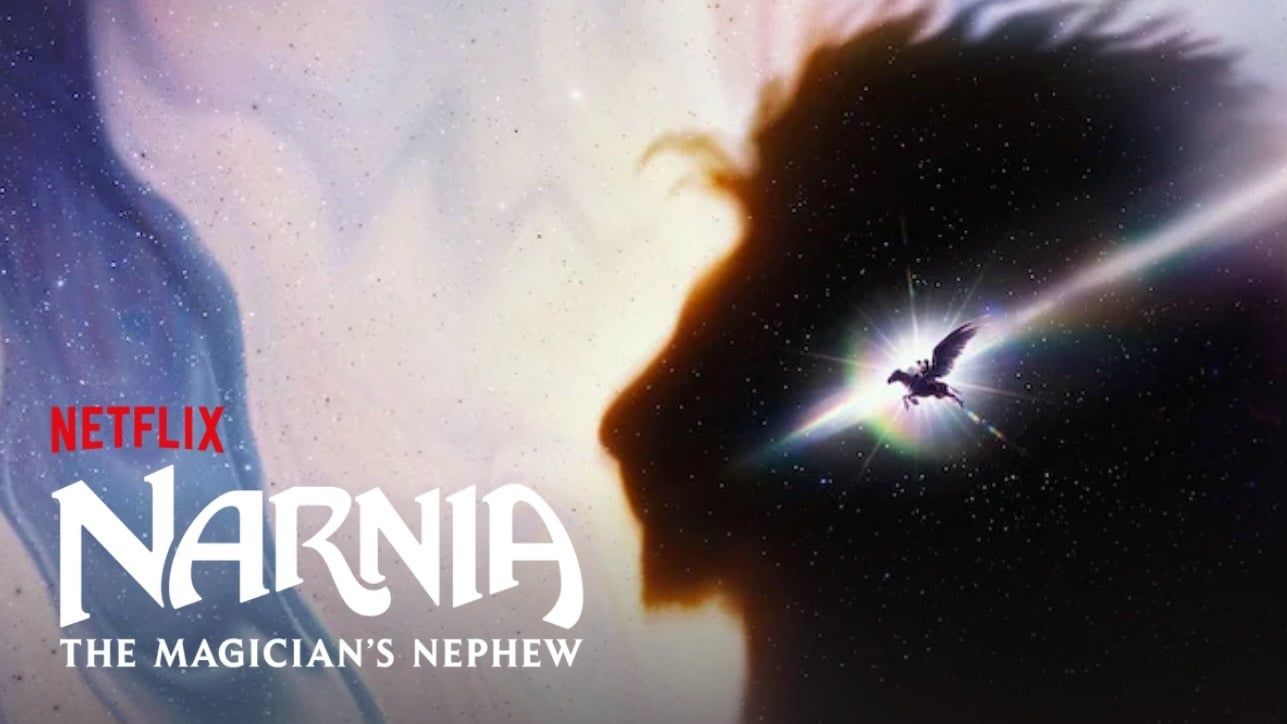
The trailer for Narnia: The Magician s Neighbour has just hit screens, and the stakes are high for the director, the streaming giant and the long‑standing fan base. Greta Gerwig, who has already carved a niche as a storyteller who blends pop‑culture sensibilities with literary homage, is stepping into the shoes of C.S. Lewis. Netflix, traditionally a home‑streaming platform, is breaking its own mold by releasing the film in IMAX theatres worldwide for a 50‑day window in 2027. The move signals a shift in how streaming houses monetize blockbuster content and how they negotiate the line between theatrical prestige and digital convenience.
Gerwig’s preparation for the film was almost pilgrimage‑like. She revisited every Narnia novel, delved into Lewis’s other works and the authors who inspired him, and even travelled to Oxford, Cambridge and Belfast to absorb the landscapes that shaped his imagination. The director’s own childhood memories of hearing the books read aloud before she could read independently are evidence of the deep personal connection she brings to the project. “I would not be who I am without these books,” she told Stephen Colbert, underscoring the weight of legacy she feels when translating the story to the screen.
While the source novel opens in 1900, Gerwig’s adaptation shifts the narrative to the 1950s. This choice is not arbitrary; the 1950s in Britain were still shadowed by the aftermath of World War II, a period that would later inform the most iconic Narnia tale, The Lion, the Witch and the Wardrobe. By placing Digory and Polly in the 1950s, the film can explore the cultural anxieties of a post‑war generationan angle that could resonate with contemporary audiences who remember the lingering effects of global conflict. The decision also opens possibilities for visual and thematic juxtapositions, such as the contrast between the innocence of childhood and the grim realities of a world recovering from war.
Netflix’s 50‑day IMAX window is a bold experiment. Traditionally, streaming platforms have avoided theatrical releases to protect their subscription models. By offering a limited theatrical run, Netflix can tap into the prestige of cinema while still driving home the idea that its content is “big screen” worthy. This strategy could set a precedent for future releases, especially for franchises that benefit from immersive visual experiences. If successful, it may prompt other streaming services to follow suit, potentially reshaping the industry’s distribution landscape.
The trailer introduces David McKenna, known for his role as Piggy in Netflix’s The Lord of the Flies, as Digory Kirke. McKenna’s casting signals a move toward fresh faces rather than relying on star power alone, which aligns with Gerwig’s reputation for discovering and nurturing new talent. The inclusion of behind‑the‑scenes footage in the trailer also hints at a production that values craftsmanship, from set design to costume workevidenced by Gerwig’s own comment about loving the beaver costumes in the BBC adaptation.
Given Netflix’s track record of pushing boundariesthink Roma and The IrishmanI predict that the IMAX release will prove commercially viable, especially if the film garners critical acclaim. A successful hybrid model could encourage Netflix to allocate more budget to high‑production‑value projects, thereby blurring the lines between streaming and cinema. It will also pressure traditional studios to rethink their distribution strategies audiences increasingly demand flexibility.
In the coming months, the film’s reception will be closely watched by both industry insiders and fans. If the 1950s re‑timing and Gerwig’s literary reverence resonate, Narnia: The Magician s Neighbour could become a touchstone for how classic literature is re‑imagined for a new generation, while also cementing Netflix’s role as a pioneer in hybrid distribution models.