Reality Tv
Niall Horan Honors Liam Payne by Playing Late One Direction Bandmate's Voice Onstage for 'End of an Era'
Niall Horan’s Birmingham gig on September 22 turned into a memorial hall when the late Liam Payne’s voice floated over the arena.
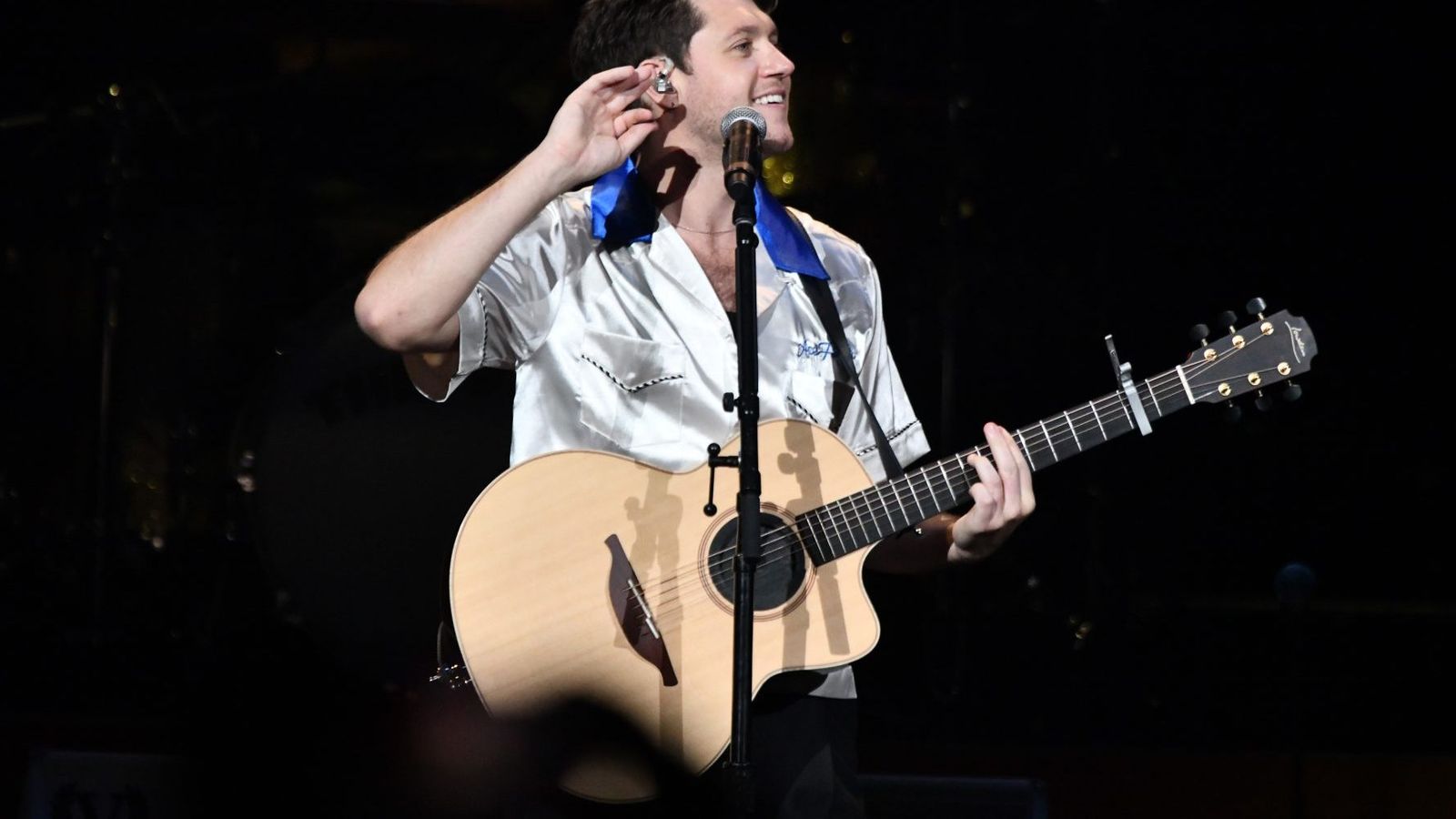
Niall Horan’s Birmingham gig on September 22 turned into a memorial hall when the late Liam Payne’s voice floated over the arena. The moment was not a staged gimmick; it was a raw, unedited recording of Payne reflecting on One Direction’s meteoric rise, inserted at the end of “End of an Era.” For the fans who watched the show, it felt like a second life for a bandmate who died in October 2024 at 31. The gesture underscores how the music industry still wrestles with loss, memory, and the politics of tribute.
“End of an Era” was already a homage to Payne, but Horan’s decision to layer the original audio on stage added a new dimension. The track, part of Horan’s fourth solo album Dinner Party, debuted at No. 7 on the Billboard 200. By inserting Payne’s voice, Horan transformed a personal lament into a communal catharsis. The recording, which begins with Payne saying, “We thought something might happen, but never anything like this,” captures the shock of his own mortality and the weight of the group’s success. It is a reminder that the narrative of One Direction is still being written, even after a member’s death.
Horan had started writing the song years before Payne’s passing. After the tragedy, he rewrote the lyrics and structure, turning “End of an Era” into a therapeutic exercise. The new version is not just a tribute; it is a confession of grief and a declaration of resilience. By letting Payne’s own words close the track, Horan invites the audience into a space where mourning is not silenced but amplified. In an industry that often commodifies sorrow, this act challenges the status quo and reclaims authenticity.
The crowd’s reaction was immediate and visceral. Fans who had followed One Direction from The X Factor to six top‑10 hits on the Billboard Hot 100 were suddenly confronted with the reality that the group’s story has an unfinished chapter. The live recording of Payne’s voice, a raw and unpolished moment, resonated more than any polished studio track could. It proved that the most powerful performances are those that expose vulnerability rather than polish. The audience’s silence, broken only by a collective sigh, was evidence of the emotional weight of the moment.
Everyone’s talking about how Horan “honored” Payne, but the act also exposes a deeper industry pattern: the tendency to posthumously commodify artists. By inserting a voice that was never recorded for the album, Horan sidesteps the usual practice of using post‑humous collaborations or re‑mixing. He chose to present the raw recording exactly as it was, without studio enhancement. This decision challenges the narrative that posthumous releases must be polished to fit commercial standards. Instead, it offers a model for future tributes: authenticity over perfection.
If Horan’s approach gains traction, we may see a shift toward “live‑recorded” tributes in the pop industry. Artists will likely seek out original recordings from deceased peers, preserving the unedited essence of their voices. I predict that by 2028, at least three major pop acts will release albums featuring unedited post‑humous vocals, marking a new standard for memorial artistry. This trend could redefine how we consume and honor legacy in the streaming era.
Beyond the music scene, this moment speaks to a larger African and global conversation about grief and remembrance. In many African cultures, the living honor the dead through oral histories and communal gatherings. Horan’s act mirrors that practice, turning a stadium into a communal mourning space. It reminds us that music can be a bridge between the living and the dead, a living memory that refuses to be forgotten.
The final note of “End of an Era” echoes long after the lights dim. It is a reminder that while the stage may close, the stories we share continue to resonate.