Movies
Paramount, Caruso to Reopen the Bay Theater in Palisades Village
The Bay Theater, long a cultural touchstone in Pacific Palisades, has been silent since the 2025 wildfires gutted its walls.
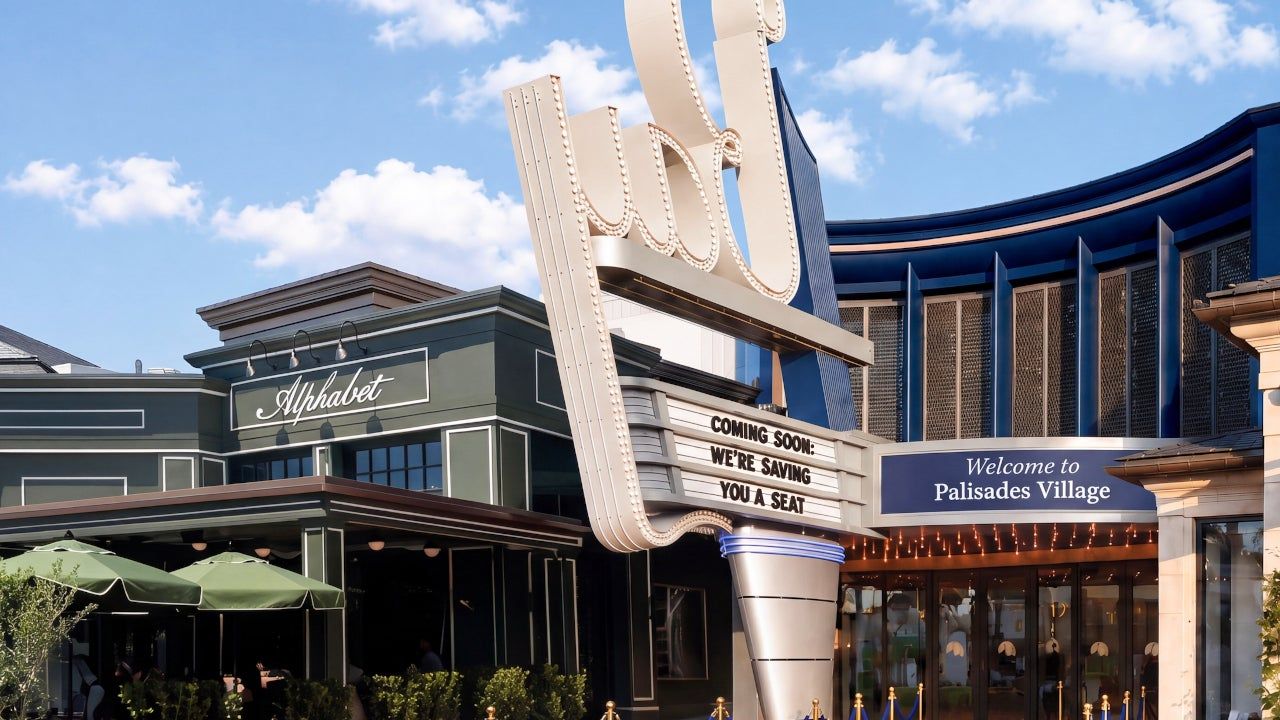
The Bay Theater, long a cultural touchstone in Pacific Palisades, has been silent since the 2025 wildfires gutted its walls. Its reopening is now set in motion by a partnership between Paramount Pictures and Caruso, with THE LOT slated to manage the venue. The stakes are personal for residents who remember the theater as a communal hub, and professional for the entertainment sector that sees the Bay as a testbed for luxury moviegoing. The new chapter will bring first‑run films, classics, and curated events, all served with in‑theater dining and signature cocktails.
The decision to revive the Bay Theater is a strategic move for both Paramount and Caruso. Paramount, a global studio, is expanding its physical footprint beyond traditional multiplexes, while Caruso, a real‑estate developer, is cementing its brand as a creator of lifestyle destinations. By selecting THE LOTa luxury dine‑in chainto operate the theater, they are blending film and hospitality in a way that redefines the cinema experience. This collaboration signals a shift from the era of mass‑screening to a curated, premium model that appeals to affluent suburban audiences.
THE LOT will bring state‑of‑the‑art sound, projection, and seating to the Bay, coupled with gourmet dining and cocktails. This format echoes the rise of upscale theaters across the United States, where audiences seek more than a movie: they seek an event. The emphasis on “unparalleled guest experience” and “flawless, high‑end service” indicates a clear target demographiclocals who value exclusivity and are willing to pay a premium for a curated evening. By integrating film and fine dining, the Bay positions itself as a destination that can compete with luxury hotels and boutique entertainment venues.
David Ellison, CEO of Skydance, highlighted the theater’s role in the neighborhood’s identity. He noted that the Bay “has always meant more than movies alone, it’s woven into the fabric of this neighborhood.” Caruso’s founder, Rick, echoed this sentiment, framing the reopening as a “meaningful sign yet that this community, following the reopening of the Palisades Village this summer, is coming back stronger than ever.” The partnership, therefore, is not merely commercial; it is a statement of civic pride. The theater’s return is a tangible symbol of Pacific Palisades’ recovery from the fires, reinforcing a sense of belonging among residents who once gathered there for shared cinematic moments.
The Bay’s revival aligns with a broader industry movement toward “premium” cinema models. Studios and developers are increasingly investing in high‑end theaters that offer dining, cocktails, and immersive technology to attract audiences willing to pay for an elevated experience. This trend is especially pronounced in affluent suburbs where competition from streaming services is intense; a luxury theater provides a social, sensory alternative that streaming cannot replicate. The Bay’s reopening is therefore a microcosm of this larger shift, demonstrating how traditional film distribution can coexist with experiential hospitality.
Within the next year, the Bay Theater will likely become a benchmark for similar projects in Los Angeles. If the partnership delivers on its promise of quality and exclusivity, other studios may follow suit, turning historic venues into luxury destinations. This could accelerate the transformation of the Los Angeles theater landscape, pushing more multiplexes toward premium models.
The reopening of the Bay Theater signals more than a return to screens; it marks a new chapter in how cinema intersects with community identity and luxury lifestyle. As the first‑run releases roll out, the theater will not only screen films but also host the collective memory of a neighborhood reborn.