Reality Tv
R.I.P. Mike Ditka, former head coach of the Chicago Bears
Mike Ditka’s death at 86 leaves a void that reverberates far beyond the gridiron.
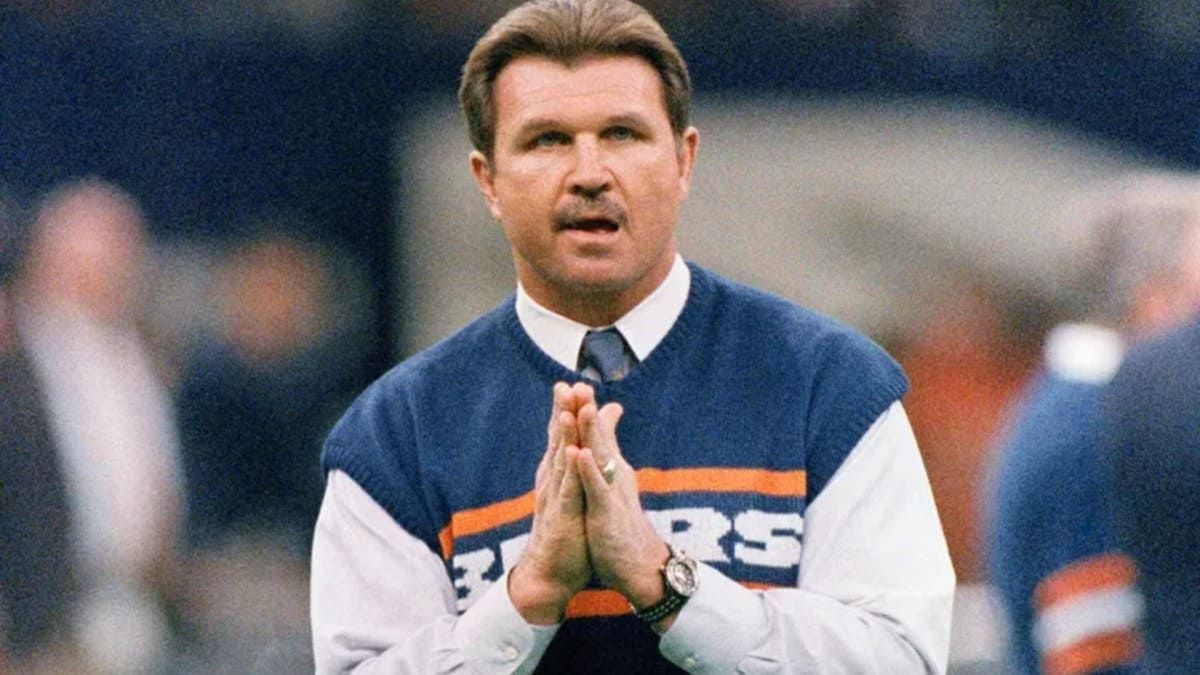
Mike Ditka’s death at 86 leaves a void that reverberates far beyond the gridiron. For the families who grew up in the rust‑stained streets of Aliquippa, Pennsylvania, he was a local hero who turned a small town into a national talking point. For the Chicago Bears’ faithful, he was the living embodiment of grit, a man who could turn a single tackle into a legacy. His passing is not just a loss of a football icon; it is the end of an era where the sport’s raw, unfiltered spirit still mattered.
Ditka’s early life was a study in contradictions. He almost became a dentist, a profession that demands precision and calm, yet he chose instead the chaos of the football field. In high school, his talent spanned football, basketball, baseball, and even intramural wrestling. The fact that he could dominate in so many arenas speaks to a versatility that modern athletes rarely possess. When he joined the University of Pittsburgh, he continued to showcase this multifaceted prowess, earning a reputation as a “hatchet man” on the court and a potential NCAA wrestling champion. These early chapters set the stage for a career defined by relentless energy and an unwillingness to settle.
Ditka’s transition from player to coach was as dramatic as his playing days. Drafted by the Chicago Bears in 1961, his reputation for hard hits and impatience with teammates made him both a valuable asset and a source of friction. The tension with owner George Halas culminated in a trade to the Philadelphia Eagles in 1967a move Halas later justified by calling Ditka “a pain in the ass.” Yet it was this very abrasiveness that would later become the cornerstone of his coaching philosophy. Under his leadership, the Bears captured Super Bowl XX, a triumph that cemented his status as a Hall of Fame coach. His tenure proved that a coach who demands toughness can still build a winning team, a lesson that resonates in today’s high‑pressure sports culture.
After hanging up his cleats, Ditka did not fade into obscurity. He became a commentator and product endorser, bringing his sharp wit and candid observations to Sunday afternoons. His commentary was more than analysis; it was a conversational bridge between fans and the game, a way to make football feel like quality time with a dad. This role amplified his influence beyond the field, turning him into a cultural icon whose opinions mattered to millions. His presence on television reinforced the idea that a former player could shape public perception of the sport, a concept that has only grown in the age of social media.
While the headlines celebrate Ditka’s professional accolades, the announcement from WSCR’s Jarrett Payton reminds us that he was also a husband, father, grandfather, and friend. The family’s statement“our beloved husband, father, grandfather, and friend”highlights the personal legacy that will endure. For those who grew up watching him, his passing is a reminder that the legends we idolize are also human beings with families who feel their loss deeply. This dualitypublic hero, private family manunderscores the complexity of celebrity in sports.
The prevailing narrative celebrates Ditka’s toughness as a hallmark of success. Yet, when we look at the modern NFL, where player safety and mental health are front‑line concerns, that same brand of aggression can be problematic. Ditka’s insistence on hard hits and a “no‑pain” mentality may have contributed to the culture that allowed concussions and other injuries to be brushed aside. While his coaching led to a Super Bowl, it also set a precedent that toughness could outweigh player welfarea lesson that the league is only now beginning to confront. Thus, celebrating Ditka without acknowledging the darker side of his legacy is a disservice to the sport’s evolution.
Given the Bears’ recent struggles, it is likely that the franchise will continue to search for a new identity that balances grit with modern safety standards. If they adopt a coaching philosophy that mirrors Ditka’s emphasis on hard work but integrates contemporary player protection protocols, they could revive the franchise’s competitive edge. I predict that within the next two seasons, the Bears will hire a coach who blends Ditka’s intensity with a data‑driven approach to player health, signaling a new chapter that respects the past while embracing the future.
Ditka’s legacy is a paradox: a man who embodied the raw, unfiltered spirit of football and yet left a family that will remember him for his warmth and humor. His death is a reminder that the legends we celebrate are also human, and that the sport’s future must learn from both the triumphs and the shortcomings of its icons.