Politics
Russell Brand due in court today for rape and sex assault trial
Russell Brand, the former comedy king turned podcaster, faces a courtroom showdown that could redefine how the UK deals with celebrity misconduct.
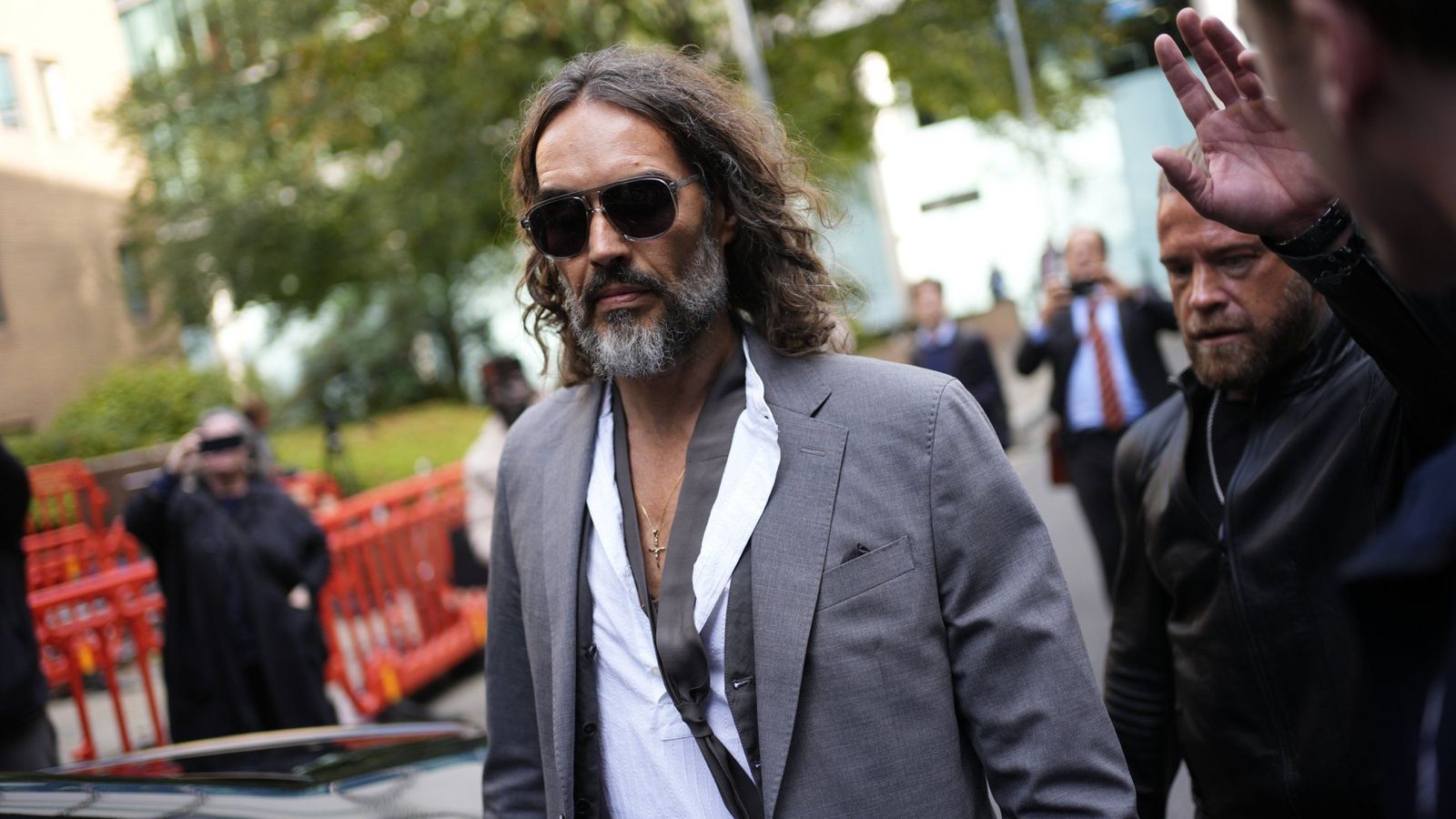
Russell Brand, the former comedy king turned podcaster, faces a courtroom showdown that could redefine how the UK deals with celebrity misconduct. Six women, spanning a decade from 1999 to 2009, allege that the 51‑year‑old groped, forced, and raped them. The stakes are high: the case could either reinforce the notion that fame does not grant immunity or, if the jury sides with Brand, it could embolden a culture that excuses powerful men. For the women, it is a fight for justice; for the public, it is a test of the legal system’s willingness to confront entrenched privilege.
The charges are stark. Brand is accused of three counts of rape, three counts of sexual assault and one of indecent assault. The incidents range from a hotel room at the Labour Party conference in Bournemouth to a TV studio and a radio station. One claim involves Brand grabbing a TV worker’s breasts and forcing her into a sexual act in a toilet. Another alleges he kissed and groped a radio station worker. These are not isolated incidents; they paint a pattern of predatory behaviour over ten years. The sheer breadth of the accusations makes the case a litmus test for how the courts handle repeated, high‑profile allegations.
Southwark Crown Court is now the arena where the truth will be weighed. Jury selection began today, and the trial could last up to ten weeks. High Court judge Mr Justice Bennathan will oversee the proceedings, while Brand remains on bail. The length of the trial reflects the complexity of the case: multiple witnesses, overlapping timelines, and the need to sift through decades of alleged misconduct. The public will be watching closely, as the outcome could set precedents for future celebrity trials.
Brand’s career trajectory is a cautionary tale. From stand‑up comedy to hosting the Brit Awards, he built a brand that resonated with millions. Yet, his pivot to podcasting and online Christian influencing has not shielded him from scrutiny. The contrast between his public image and the allegations highlights a broader cultural issue: the tendency to separate a person’s art from their actions. If the jury finds him guilty, it will send a clear message that fame does not exempt one from accountability. If he is acquitted, it may reinforce the myth that celebrity status can buy legal leniency.
Everyone’s watching, but the narrative that “celebrity trials are just spectacles” is misleading. The legal process here is rigorous: evidence will be presented, witnesses will testify, and the judge will guide the jury. The public’s fascination often overshadows the procedural realities. The trial’s outcome will depend on the weight of evidence, not on media hype. This is a reminder that the law operates independently of the court of public opinion, even when the case is high‑profile.
I predict that the jury will find Brand guilty on at least some charges. The pattern of behaviour, the number of complainants, and the corroborating details across incidents make a strong case. A guilty verdict will likely force the entertainment industry to tighten its own codes of conduct and could lead to stricter vetting of talent. Conversely, an acquittal would spark a backlash, potentially accelerating movements like MeToo within the UK. Either outcome will reverberate far beyond the courtroom.
The trial is a crucible for the intersection of celebrity, power, and justice. For the women who came forward, it is a chance to be heard. For the public, it is a test of whether the legal system can rise above the glamour and deliver accountability. The coming weeks will decide whether fame can still be a shield or whether the scales of justice will finally tip in favour of those who dare to speak.