Politics
Sebastian Stan hasn't seen Doomsday but is guessing it's sad
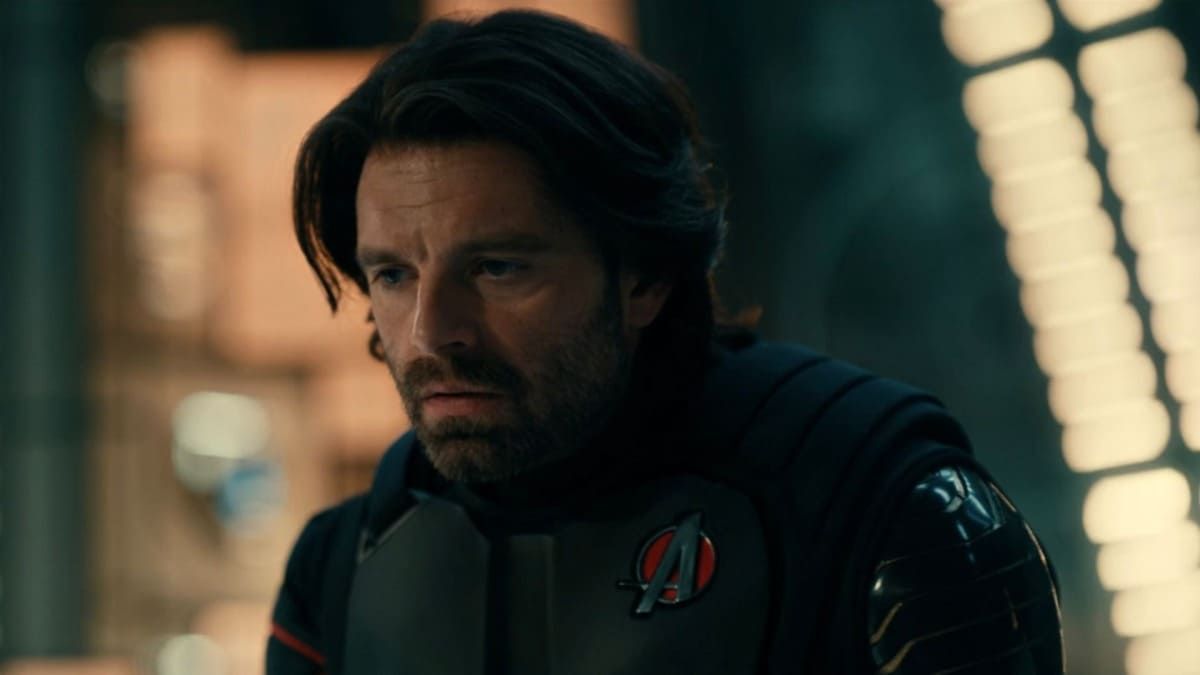
When Sebastian Stan told Decider that he had not watched Avengers: Doomsday, the statement was as much a confession of his own ignorance as it was a glimpse into the franchise’s culture of secrecy. The actor, best known for his long‑running role as Bucky Barnes in the Marvel Cinematic Universe, hinted that the film would be “probably heartbreaking, in a lot of ways.” His admission underscores the tension between fan expectations and the industry’s guarded approach to storytelling, especially when a movie pits heroes from three universes against the formidable Doctor Doom, played by Robert Downey Jr.
Stan’s career has been a study in transformation. From a Hydra assassin to a reformed Avenger, and most recently a congressman in Thunderbolts, he has navigated roles that mirror the fluid moral landscapes of contemporary superhero narratives. His comment that he “filmed scattered scenes for Doomsday without a script” suggests that even seasoned actors can feel detached from the overarching plot when the studio employs a “secretive playbook.” This approach, reminiscent of the Endgame wedding‑funeral switch, preserves narrative surprises but also leaves performers in a liminal space, balancing personal interpretation with a script that may never fully exist.
The film’s premiseheroes from three distinct universes collidingcreates a high‑stakes environment where “casualties are all but guaranteed.” The Russo brothers’ decision to bring together a roster of over two dozen confirmed stars, alongside the ever‑present Downey Jr., amplifies the stakes. In a cinematic landscape where audiences crave emotional payoff, the prospect of a “heartbreaking” outcome is both a marketing hook and a risk. The MCU’s pattern of escalating stakes across phases suggests that Doomsday will push the emotional envelope further than Endgame, potentially redefining the franchise’s approach to character arcs and redemption.
Marvel’s history of withholding detailswhether to prevent leaks or to control narrative flowhas become a hallmark of its brand. While this strategy protects the story, it can also alienate actors who feel “confused by that last role.” The paradox lies in the fact that secrecy is necessary for spectacle, yet it can stifle creative engagement. This tension is evident in Stan’s interview: he is both part of the story and outside it, a meta‑commentary on the very nature of superhero filmmaking, where the audience’s emotional investment is built on mystery.
Given the pattern of escalating emotional stakes and the growing trend of multiverse storytelling, I predict that Doomsday will serve as a pivot point. It will likely cement the MCU’s commitment to inter‑dimensional narratives while pushing actors to adopt more collaborative, script‑driven roles. The film’s success or failure will inform the next phase of Marvel’s strategy, possibly leading to more transparent production processes or, conversely, a deeper dive into secrecy to preserve audience shock value.
As the release date approaches, the anticipation will only grow. The MCU’s ability to balance secrecy with storytelling will be tested, and actors like Sebastian Stanwho embody the franchise’s evolving moral complexitywill be at the heart of that experiment. The next chapter in superhero cinema may very well hinge on whether the industry chooses to keep its actors in the dark or to open the script to their creative instincts.