Movies
Should Nollywood Adopt AI?
The Human Angle: Awa Ajayi, a Nollywood filmmaker, has been vocal about the industry's struggles with external factors such as streaming platform cutbacks and low-quality storytelling.
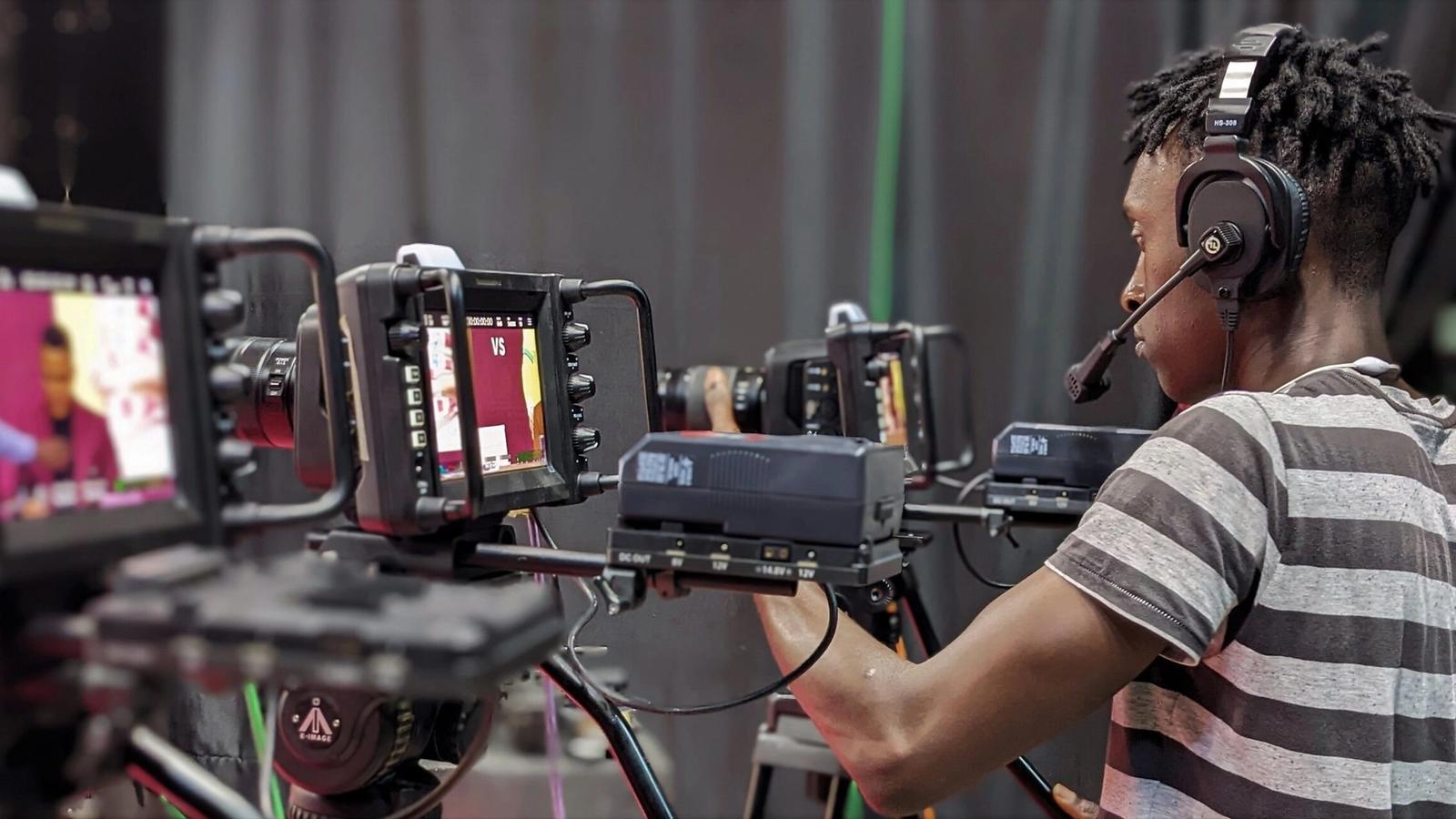
Nollywood produces thousands of films each year, making it the second-largest movie industry in the world by production. However, the industry's growth is often dictated by external factors, such as the rise and fall of international streaming platforms in Nigeria. The current external factor is AI, which has seeped into Nollywood, with some filmmakers incorporating it into their visuals and scriptwriting. While AI was intended to elevate creativity, the industry's low-quality storytelling has raised concerns about its readiness to adopt this new technology.
Nigerian cinemas have been criticized for giving more showing time to films that are in demand, rather than supporting local content. This has led to a distribution problem, where Nollywood films struggle to reach audiences. The situation is further complicated by the uncertainty surrounding YouTube's presence in Nigeria. With creators receiving lower revenues compared to other countries, the industry is left wondering what will happen to the thousands of Nollywood films on the platform if YouTube were to leave.
The adoption of AI in Nollywood raises questions about the industry's ability to tell authentic Nigerian stories. While AI can enhance creativity, it can also lead to homogenization and a loss of cultural identity. For an industry that prides itself on its diverse stories, the use of AI must be approached with caution. The current state of Nollywood's storytelling, which has been criticized for being low-quality, makes it essential to consider whether the industry is ready to adopt AI.
The debate about Nollywood's adoption of AI is part of a broader conversation about the industry's future. The rise of streaming platforms and the subsequent cutbacks have highlighted the industry's vulnerability to external factors. The adoption of AI is not just about embracing new technology, but about the industry's ability to adapt and evolve. The success of Nollywood's AI adoption will depend on its ability to balance creativity with technological innovation.
As Nollywood continues to navigate the challenges of AI adoption, I predict that the industry will see a shift towards more experimental and innovative storytelling. Filmmakers will need to find ways to balance the use of AI with the need to tell authentic Nigerian stories. The success of this approach will depend on the industry's ability to collaborate and experiment with new technologies. For Awa Ajayi and other Nollywood filmmakers, the adoption of AI is not just about embracing new technology, but about the industry's future and its ability to tell stories that reflect the diversity and complexity of Nigerian experiences.
**The adoption of AI in Nollywood is not a straightforward decision, but rather a complex one that requires careful consideration of the industry's past, present, and future.