Politics
South Africa is betting on WhatsApp to bring Gen Z back to the ballot box
South Africa's Sy Mamabolo, Chief Electoral Officer of the Independent Electoral Commission, is no stranger to the challenges of voter registration in the country.
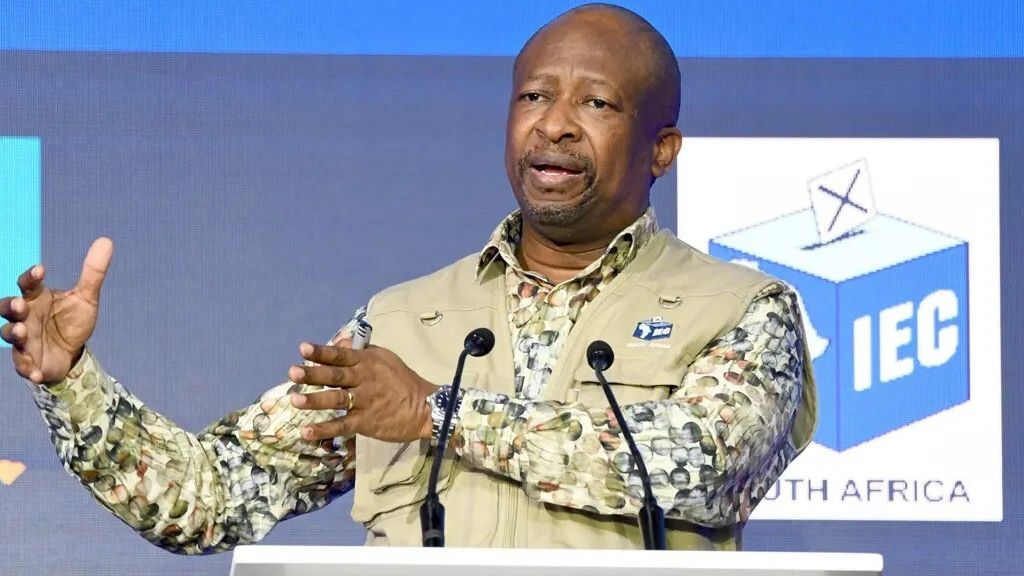
South Africa's Sy Mamabolo, Chief Electoral Officer of the Independent Electoral Commission, is no stranger to the challenges of voter registration in the country. Having watched as nearly half of eligible citizens fail to register, Mamabolo and the IEC have launched a bold initiative to bring voter registration to WhatsApp, the most widely used messaging platform in South Africa. This move is a direct response to the glaring reality: young South Africans, a demographic crucial to the country's future, have been largely disengaged from the democratic process.
The IEC's new WhatsApp service, launched ahead of the registration deadline, uses OTP authentication, ID document uploads, address verification, and voting station confirmation to make registration easier and more accessible. This move reflects a simple yet effective premise: by bringing voter registration to platforms that young people already use, the IEC can attract more of them to the democratic process. The numbers suggest that this strategy is gaining traction. Almost half a million voter registration transactions during the IEC's final registration drive came from people aged 16 to 29, while 46% of all new registrations were by voters under 29. These figures indicate that digital platforms may be lowering barriers to registration, and the IEC is betting on WhatsApp to be a turning point.
While the IEC has experimented with digital services before, WhatsApp registration is a significant departure from traditional methods. By leveraging a platform used daily by millions of South Africans, the commission is expanding access to voter registration, improving convenience, and ensuring that more eligible voters can register or update their details before the close of the registration period. According to Sy Mamabolo, the commission chose WhatsApp because it is already part of many South Africans' daily lives. This approach acknowledges that young people are more comfortable interacting through mobile platforms than queuing at government offices.
The IEC's WhatsApp registration service is part of a broader push to digitise voter services. While physical voting stations remain central to elections, the commission is experimenting with technology to reduce the friction of registering, particularly for younger citizens. This effort to digitise voter services has already shown promising results. Kate Bapela, the IEC's spokesperson, notes that digital services have played an important role in attracting younger voters during the registration campaign. We have seen a significant increase in the number of young people participating, largely because of the digital platforms we've made available, she says.
The success of WhatsApp registration will ultimately depend on whether making registration easier can also overcome the political disengagement that has defined past local elections. South Africa's young people have historically been disengaged from the democratic process, and it remains to be seen whether this initiative can change that. Nevertheless, the IEC's bold move is a necessary one. By bringing voter registration to the digital age, the commission is acknowledging that traditional methods are no longer effective in engaging young people. This effort may not yield immediate results, but it is a crucial step towards revitalising South Africa's democracy.
With millions of eligible citizens yet to register, the IEC's WhatsApp service is a long shot, but a necessary one. As Sy Mamabolo and the IEC navigate this uncharted territory, they will be closely watching the numbers to determine whether their gamble pays off.