Politics
'South Park' Revives AI Deepfake Trump: With Predictably NSFW Results
South Park’s latest episode throws a fresh, hyper‑NSFW spin at former President Donald Trump by re‑introducing the show’s AI‑generated deepfake of the ex‑leader.
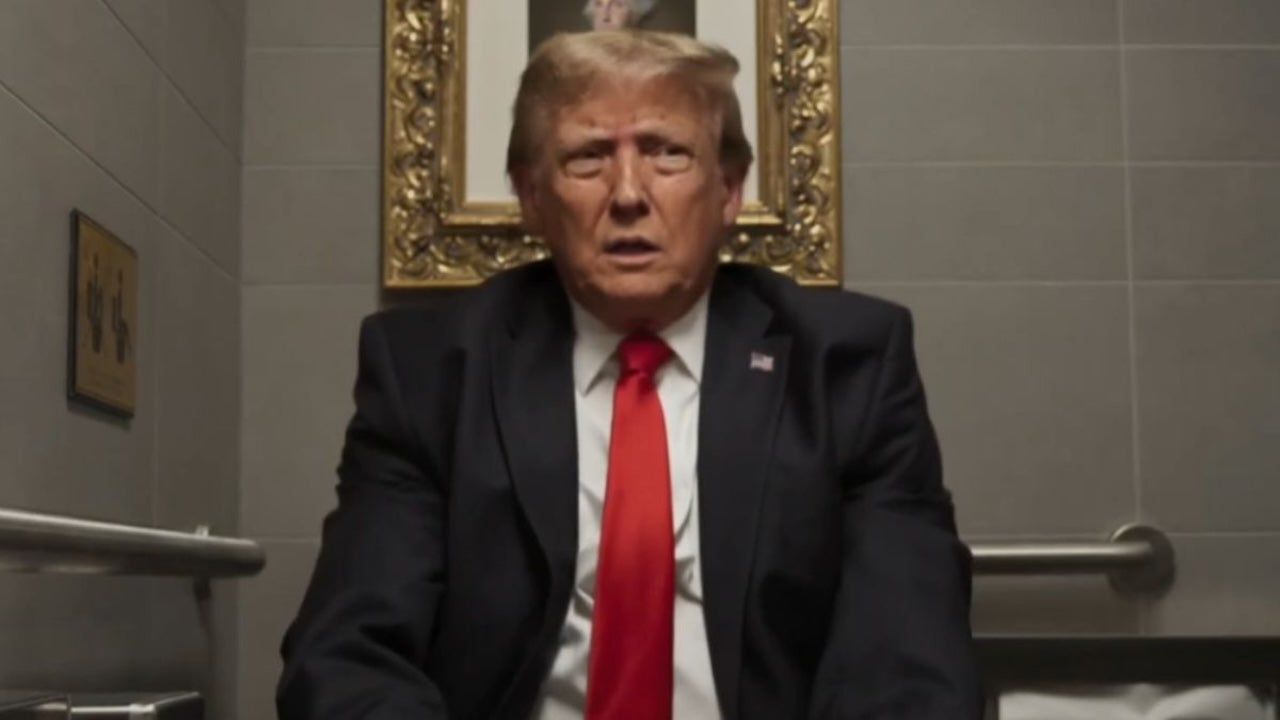
South Park’s latest episode throws a fresh, hyper‑NSFW spin at former President Donald Trump by re‑introducing the show’s AI‑generated deepfake of the ex‑leader. The cartoon’s creators, Trey Parker and Matt Stone, use the synthetic Trump to lampoon the “billionaires of Weenietown” that have taken over the town’s backyard, a move that feels as much a critique of tech moguls as it is a jab at a political figure. The stakes for the real people in the story are simple: the show’s audience, the legacy of satire, and the broader debate over AI regulation.
The episode resurrects the AI deepfake of Trump, a tool that has become a staple in South Park’s arsenal for pushing boundaries. In the scene, the synthetic Trump enters a public restroom, drops his trousers, and, in a moment that blends absurdity with shock value, his penis detaches and joins the chaotic “Weenietown” of data‑center‑laden penises. This visual gag is a direct response to Trump’s recent social media post on Truth Social, where he claimed that the only guardrails AI needs are a “strong and smart” president. By mocking this statement, the show turns Trump’s own words into a punchline, underscoring the disconnect between political rhetoric and technological reality.
The narrative centers on Butters, a South Park resident who finds his backyard overrun by billionaire‑sized, disembodied penises that power data centers. The intrusion disrupts his enjoyment of Dr. Pimple Popper and causes power outages. When he calls an exterminator, he learns that these “new strain of billionaire” entities thrive on podcasts and public arguments with figures like Mark Ruffalo. The episode further shows the weenies buying local news outlets, a satire of media consolidation by tech giants. Butters’ attempt to relocate the problem to Nashville, Tennesseean implied nod to the Ellisonshighlights the absurdity of trying to escape corporate overreach by geographic relocation.
The episode’s timing is significant. Trump’s recent call for AI guardrails, coupled with the White House’s silence on the matter, creates a fertile ground for satire. South Park’s choice to use an AI deepfake of Trump as the vehicle for its critique signals a broader cultural conversation: who controls AI, and how do public figures shape that control? The show’s depiction of a “perfect little angel”a reference to Dario from Anthropicfurther illustrates the tension between corporate narratives and the reality of AI’s potential misuse.
South Park’s approach reflects a growing trend in media to use humor as a lens for complex policy debates. By embedding a deepfake Trump in a scene that parodies tech giants, the show connects the political with the technological, showing how satire can influence public perception of AI regulation. This episode may prompt viewers to question the sincerity of political promises about AI safety and the real power of tech conglomerates in shaping discourse.
Given the episode’s boldness, I predict that future South Park seasons will continue to harness AI tools to lampoon both political figures and tech magnates. The show’s willingness to push legal and ethical boundaries suggests that it will remain a barometer for societal attitudes toward AI. As AI becomes more integrated into everyday life, satire will likely become an even more potent vehicle for critique, and South Park will probably stay at the forefront of that movement.
The next episode drops on October 14 at 10 p.m. ET on Comedy Central, and audiences can expect the same razor‑sharp commentary that has defined the series for over three decades.